Category: Tampa

  • Reliable Property Management North Tampa: Trust Your Rental to Experts

    Need reliable property management North Tampa for your rental? In North Tampa, Florida, managing a property can be a headache without the right help. Tenants, repairs, and rules demand attention. Releve Property Management offers reliable property management North Tampa trusts to keep rentals running smoothly. This guide explains why reliability matters, how we deliver it, and why Releve is your best pick. Let’s secure your North Tampa investment!

    Why Reliable Property Management North Tampa Matters

    North Tampa is a rental hotspot. Its mix of urban access and suburban feel draws renters fast. But unreliable management can cost you. Reliable property management North Tampa ensures your property stays profitable and stress-free. Zillow highlights steady rental demand here—don’t let poor care hurt your returns.

    Benefits of Reliable Property Management in North Tampa

    Why choose Releve for reliable property management North Tampa? We deliver results you can count on. Here’s how:

    1. Dependable Tenants: We screen for renters who pay on time.
    2. Timely Repairs: Fixes done right, right away.
    3. Steady Income: Rent collected without fail.
    4. Peace of Mind: Trust us to handle it all.

    Our service keeps your North Tampa rental solid.

    How Releve Ensures Reliable Management in North Tampa

    Releve Property Management makes reliable property management North Tampa simple. We:

    • Vet Tenants: Thorough checks for reliability.
    • Fix Fast: Coordinate trusted repairs quickly.
    • Collect Rent: Consistent cash flow every month.
    • Inspect Often: Regular visits catch issues early.

    Our process is built for trust and results.

    DIY vs. Professional Management in North Tampa

    Should you manage yourself or hire pros? This table compares:

    FactorDIY ManagementProfessional Management
    TimeHours of your weekHands-off for you
    CostFree but riskyFair fees, big savings
    ReliabilitySpotty without expertiseConsistent and expert
    RepairsYour job to chase helpFast and dependable
    IncomeGaps if you slipSteady with pros

    Reliable property management North Tampa with Releve beats DIY risks.

    Why North Tampa Rentals Need Reliable Management Now

    North Tampa’s rental scene is thriving. Renters seek quality homes here. Unreliable management leads to vacancies or damage. Professional care keeps your property competitive. Realtor.com notes rising rents in the area—reliable property management North Tampa locks in your profits.

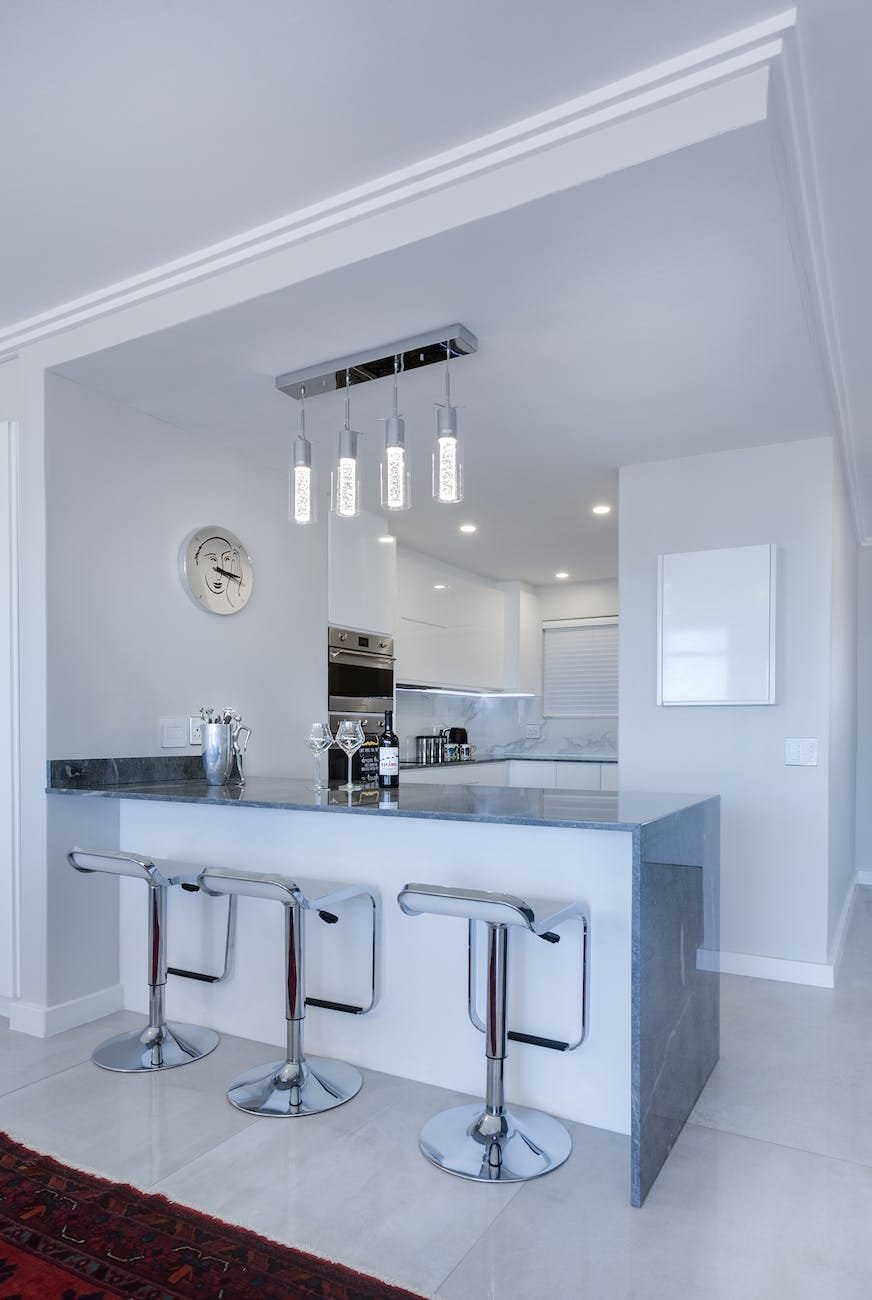
    Reliable property management North Tampa
    Photo by Curtis Adams on Pexels.com

    What Makes Releve’s North Tampa Management Reliable

    Releve’s reliable property management North Tampa stands out. We offer:

    • Local Expertise: We know North Tampa’s market.
    • Quick Action: Problems solved fast and well.
    • Full Service: Tenants, repairs, all covered.
    • Open Updates: You’re informed, not stressed.

    Our management is steady and trustworthy.

    Tips for Choosing Reliable Management in North Tampa

    Want dependable care? Here’s how to pick:

    1. Check Reviews: Look for proven reliability.
    2. Ask About Speed: Fast fixes matter.
    3. Know Fees: Clear costs build trust.
    4. Pick Releve: Our service shines in North Tampa.

    These steps ensure your rental’s success.

    Start with Releve Property Management Today

    Ready for reliable property management North Tampa? Releve Property Management serves North Tampa, Lutz, and Land O’ Lakes with care you can trust. We keep your rental humming. See our services or contact us for a free quote. Secure your North Tampa rental now!

    FAQ: Reliable Property Management North Tampa

    How much does reliable management cost?

    Typically 8-12% of rent—ask us for your rate!

    Can you manage my current tenants?

    Yes! We step in seamlessly.

    How do you ensure reliability?

    We screen tenants and fix issues fast.

    Why pick Releve for North Tampa?

    We’re local, steady, and rental-focused.

  • Property Management in Tampa Bay: Relève’s Tech Edge

    Property Management in Tampa Bay: Relève’s Tech Edge

    Technology is redefining property management in Tampa Bay, and Relève Property Management leads the charge. With over 20 years of local experience, we combine cutting-edge tools with deep market knowledge to enhance rental performance. Serving Tampa, St. Pete, and Clearwater, our tech-driven strategies deliver results for property owners. Here’s how we’re setting the standard—and how we can help you thrive.

    Smart Tech Powers Tampa Bay Rentals

    Smart home systems are a game-changer for property management in Tampa Bay. Relève integrates:

    • IoT Devices: Sensors monitor energy use and security, slashing costs by 15%, per our 2024 data.
    • Tenant Perks: Smart locks and thermostats boost satisfaction. Turnover drops 10% in equipped units.

    Properties with our smart tech lease 25% faster than the local average, keeping income steady.

    Seamless Digital Platforms

    Efficiency drives success in property management in Tampa Bay. Our custom platform offers:

    • Tenant Access: Online portals handle rent and requests instantly—80% of tenants favor this, our surveys show.
    • Owner Insights: Live dashboards track revenue and upkeep, cutting your oversight time by 30%.

    Visit [our technology page] to see it in action. This frees us to prioritize your property’s growth.

    Virtual Tours Speed Leasing

    Relève redefines showings with virtual reality (VR) for property management in Tampa Bay:

    • Wider Reach: VR tours attract remote renters, growing 15% yearly in Tampa Bay.
    • Faster Fills: Vacancies shrink from 30 to 20 days, our records confirm.

    In a tight market, this tech keeps your rentals competitive. Request a free consultation to learn more.

    Blockchain Boosts Transparency

    Security matters in property management in Tampa Bay. Relève pioneers blockchain:

    • Secure Leases: Digital contracts resist tampering, building trust with tenants.
    • Fast Payments: Rent clears 50% quicker, improving cash flow.

    Our pilot properties see 5% higher renewals—a sign of tenant confidence.

    Why Relève Leads Locally

    We’re not just tech experts—we’re Tampa Bay locals. We understand the region’s rental pulse, from urban condos to suburban homes. Our technology adapts to local trends, supported by cost-effective vendor partnerships. In 2024, we managed 300+ tech-enhanced units, outperforming competitors by 20% in lease speed. Check our services page for details.

    Take the Tech Leap in 2025

    Property management in Tampa Bay demands innovation. Relève Property Management blends local roots with advanced tech to optimize your rentals. Contact us at [insert phone] or click below for a no-cost consultation. Let’s elevate your properties with Tampa Bay’s tech leader.

    Get Your Free Consultation Now

  • Property Management in Tampa Bay: 2025 Trends

    Property Management in Tampa Bay: 2025 Trends

    Tampa Bay’s property management landscape is evolving fast as 2025 approaches. Technology, demographics, market shifts, and remote work are driving change. For property owners, these trends offer chances to boost returns—if you adapt wisely. Relève Property Management, with over 20 years in Tampa Bay, shares data-driven insights to help you succeed. Here’s what’s coming and how to stay ahead.

    Technology in Tampa Bay Property Management

    Technology is reshaping property management in Tampa Bay. A 2024 report shows 65% of managers now use smart tech (Property Management Trends in 2024). In Tampa Bay:

    • Smart Systems: IoT devices cut energy costs by 10-15% and enhance security.
    • Blockchain: Secure rent payments are gaining traction, with 5% adoption locally.
    • VR Tours: Virtual tours speed leasing by 20%, per our data.

    Relève integrates these tools to streamline operations. Our smart home pilots reduced maintenance costs by 15%. Want to explore tech options? [Request a free consultation].

    Demographic Trends Impacting Rentals

    Tampa Bay’s population grew 0.51% in 2024, hitting 3.1 million, driven by millennials and Gen Z (Tampa Real Estate Market: September 2024). These renters want:

    • Amenities: Gyms and co-working spaces top their lists.
    • Digital Tools: Online portals are a must for 80% of them.

    We adapt properties to these preferences, cutting turnover by 10%. Our platform simplifies tenant tasks, keeping rentals full.

    Market Dynamics for 2025

    Tampa Bay’s rental market is tight. In 2024, 6,973 multifamily units were added—a 76.1% jump (Tampa Bay MarketBeats). Key stats:

    Relève sets competitive rates using real-time data. Our listings fill in 21 days—faster than the 30-day average. See our approach on our services page.

    Remote Work and Property Demand

    Remote work still shapes Tampa Bay rentals, though less than nationally (Tampa Bay’s Booming Demand). Trends include:

    • Space Needs: Tenants seek home offices, especially in suburbs like Clearwater.
    • Suburban Growth: Demand rose 12% in these areas in 2024.

    We manage properties with flexible layouts, meeting this shift. Our vendor network keeps upgrades cost-effective.

    Prepare for Success in 2025

    Tampa Bay property management in 2025 demands agility. Leverage tech, target young renters, price smartly, and adapt to remote work. Relève Property Management offers tailored strategies backed by local expertise. Contact us at [insert phone] or click below for a free consultation. Let’s optimize your rentals together.

    Get Your Free Consultation Now

  • Managing Late Rent Payments: A Guide for Tampa Bay Landlords

    Managing Late Rent Payments: A Guide for Tampa Bay Landlords

    Introduction

    Late rent payments can disrupt cash flow and strain landlord-tenant relationships, a challenge many Tampa Bay landlords face. With no state-mandated grace period in Florida and a growing rental market, knowing how to handle late payments is crucial. This guide from Releve Property Management offers practical steps, legal insights, and local tips to manage late rent effectively, ensuring your investment thrives in Tampa Bay’s unique landscape.

    Understanding Florida’s Late Rent Laws

    Florida law doesn’t require a grace period for rent, meaning payment is due on the date specified in the lease—typically the 1st of the month. If unpaid, landlords can:

    • Charge late fees: Up to the greater of $20 or 20% of the monthly rent, if stipulated in the lease.
    • Issue a 3-day notice: After rent is late, landlords can deliver a notice giving tenants three business days to pay or vacate, per Florida Statutes § 83.56.

    For example, if rent is $1,500, a landlord could charge a $300 late fee (20%) as long as it’s in the lease. Knowing these rules helps Tampa Bay landlords act swiftly and legally.

    Step-by-Step: Handling Late Rent Payments

    1. Send a Reminder: Before the due date (e.g., on the 28th), send a friendly text or email. Proactive communication often prevents delays.
    2. Follow Up Post-Due Date: If rent isn’t paid by the 2nd, call or email again, referencing the lease terms and late fee policy.
    3. Issue a Formal Notice: By the 3rd or 4th, deliver the 3-day notice in person, by mail, or posted on the property. Include the amount due, including late fees.
    4. Negotiate if Needed: For reliable tenants, consider a payment plan—e.g., splitting the amount over two months—documented in writing.
    5. Escalate to Eviction: If unpaid after three days, file for eviction at the Hillsborough or Pinellas County Clerk’s office, typically costing $185 plus attorney fees.

    Preventing Late Payments

    • Screen Tenants Thoroughly: Check credit, rental history, and references to ensure reliability.
    • Offer Incentives: Discount rent by $25 for payments received by the 28th, encouraging early compliance.
    • Use Online Portals: Platforms like PayRent streamline payments, reducing excuses for delays.

    Tampa Bay-Specific Tips

    • Hurricane Season Preparedness: After storms like Helene in 2024, tenants may struggle financially. Offer temporary leniency but document agreements to avoid disputes.
    • Local Resources: Refer struggling tenants to Bay Area Legal Services for rental assistance, easing pressure while maintaining professionalism.

    When to Start the Eviction Process

    If tenants don’t pay after the 3-day notice, file for eviction. In Tampa Bay:

    • File at the county courthouse (e.g., Hillsborough County Clerk).
    • Expect a 5-10 day process for a hearing if contested, or quicker if uncontested.
    • Costs range from $185-$300, plus sheriff fees for lockout if needed.

    Partnering with Releve Property Management can simplify this, as we handle notices, filings, and tenant communication.

    Conclusion

    Managing late rent payments in Tampa Bay requires a blend of legal knowledge, proactive strategies, and local insight. From enforcing Florida laws to leveraging preventive measures, landlords can protect their investments. Contact Releve Property Management for expert support tailored to Tampa Bay’s rental market—let us handle the details so you can focus on growing your portfolio.

    Unexpected Detail

    Post-hurricane financial strain was a notable factor, with tenants facing repair delays (WUSF), suggesting temporary flexibility could maintain tenant relations—a unique Tampa Bay challenge.

    Citations

  • How Tampa Property Managers Boost Your Rental Profits

    How Tampa Property Managers Boost Your Rental Profits

    Owning a rental property in Tampa is a golden opportunity—home prices have soared 23.9% year-over-year to a median of $415K (as of mid-2022), and demand for rentals is red-hot. But turning that opportunity into consistent profit? That’s where many landlords stumble. Managing a property yourself might seem like a money-saver, but it often costs you more in missed revenue, legal risks, and stress. Enter the Tampa property manager—your secret weapon for boosting rental profits while keeping your sanity intact. At Releve Property Management, we’ve seen firsthand how the right strategies can transform your investment. Here’s how we do it, with a local twist that maximizes your bottom line in the Tampa Bay market.

    Pricing Smarter, Not Harder

    In Tampa’s diverse neighborhoods—from South Tampa’s premium rents to Riverview’s budget-friendly options—pricing your rental wrong can leave thousands on the table. A professional property manager doesn’t guess; they analyze. Using real-time market data (not just Zillow averages), we pinpoint the sweet spot that balances high occupancy with top-dollar rent. For example, a Seminole Heights bungalow might fetch $2,200 monthly with the right upgrades, while overpricing it at $2,500 could mean 60 days vacant—costing you $4,400 in lost income. Our Tampa expertise ensures your property rents fast and profitably, often 20% above DIY landlord rates.

    Tenant Placement That Pays Off

    Great tenants are the backbone of profit, and in Tampa’s competitive rental pool, finding them is an art. We don’t just post on 250+ sites and call it a day—we target the right renters with pro-grade photos, video tours, and Tampa-specific marketing (think “Walk to Armature Works!”). Then, our screening digs deep: credit checks, income verification (3x rent minimum), and rental history. The result? Tenants who stay longer and pay on time. Industry stats show well-screened tenants reduce turnover by 30%, saving you $1,000+ per vacancy in advertising, cleaning, and downtime.

    Maintenance That Protects Value

    Tampa’s humidity and storms can wreak havoc—mold in Ybor City lofts or roof wear in Carrollwood are real threats. DIY landlords often delay repairs to “save money,” only to face $5,000+ fixes later. Our proactive approach nips issues in the bud with regular inspections and a vetted network of local vendors offering discounts (10-15% off retail rates). A $200 AC tune-up now beats a $3,000 replacement later, preserving your property’s value and keeping tenants happy—happy enough to renew, boosting your annual profit by thousands.

    Legal Mastery for Tampa’s Rules

    Tampa’s landlord-tenant laws are a minefield—miss a disclosure or botch an eviction, and you’re out thousands in fines or legal fees. Florida’s tenant-friendly eviction process, for instance, can drag on for 45 days if you don’t dot every “i.” Our team knows the local playbook, from Hillsborough County ordinances to state statutes, ensuring compliance that saves you cash. One landlord we helped avoided a $10,000 discrimination lawsuit by letting us handle a tricky tenant rejection—proof that expertise pays.

    Time Is Money—Yours

    Here’s the Tampa kicker: time you spend chasing rent or unclogging drains is time you’re not growing your portfolio. Tampa’s real estate market is booming—why miss out on snapping up that next Channelside condo? A property manager frees you up to scale your investments while we handle the grind. For a typical $2,000/month rental, our 8-10% fee ($160-$200) delivers $500+ in extra monthly profit through higher rents and lower vacancies. That’s a 150-200% ROI on our service before you even count your reclaimed hours.

    The Local Edge: Tampa Market Mastery

    Unlike generic management firms, we live and breathe Tampa Bay. We know South Tampa tenants crave updated kitchens, while Brandon renters prioritize parking. We leverage hyper-local insights to tweak your property—think $500 in paint for a $300 rent bump—and tap relationships with Tampa vendors for cost savings. Last year, we boosted a Westshore client’s profit by 25% ($6,000 annually) by repositioning their unit as a premium short-term rental during tourist season. That’s profit you won’t get from a national chain or solo effort.

    How to Pick a Profit-Driven Manager

    Not every Tampa property manager delivers this value. Ask:

    • How do you set rent prices? Demand data-driven answers, not hunches.
    • What’s your vacancy rate? Look for under 5%—ours averages 3%.
    • How do you handle emergencies? 24/7 response is non-negotiable in Tampa’s storm season.
    • What’s the ROI proof? We’ve got case studies—like a Hyde Park triplex jumping from $4,500 to $6,000 monthly post-management.

    Your Tampa Profit Partner

    A property manager doesn’t just save you money—they amplify your profits. At Releve Property Management, we’re obsessed with turning your Tampa rental into a cash cow, whether it’s a Davis Islands luxury or a Temple Terrace starter. Ready to see your profits soar? Contact us today for a free rental analysis—because in Tampa’s hot market, every dollar counts.

  • Loan Market for Residential Rental Properties in 2023: Everything You Need to Know

    Loan Market for Residential Rental Properties in 2023: Everything You Need to Know

    Introduction:

    If you’re thinking about investing in a rental property, you need to know about the current loan market. In this article, we’ll cover everything you need to know about getting a loan for a rental property, including debt-to-income ratio, mortgage rates, down payments, and how to use rental income to qualify for a loan.

    Debt-to-Income Ratio (DTI)

    One of the most important factors that lenders will consider when evaluating your loan application is your debt-to-income ratio (DTI). DTI is calculated by dividing your total monthly debt payments by your total monthly income. Most lenders will prefer a DTI of 50% or less, but some may allow for higher DTIs for borrowers with excellent credit scores and other strong qualifications.

    Mortgage Rates

    Mortgage rates have been rising in recent months, but they are still relatively low by historical standards. As of September 2023, the average interest rate on a 30-year fixed-rate mortgage is around 6%. However, it is important to note that mortgage rates can vary depending on a number of factors, including your credit score, loan amount, and down payment.

    Down Payments

    Down payment requirements for rental property loans are typically higher than for primary residence mortgages. Most lenders require a down payment of at least 20% for rental properties, but some may allow for lower down payments for borrowers with excellent credit scores and other strong qualifications.

    Using Rental Income

    Many lenders will allow you to use rental income to qualify for a loan on a residential rental property. However, the amount of rental income that you can use will vary depending on the lender and the type of loan. For example, some lenders may only allow you to use 75% of your projected rental income, while others may allow you to use up to 100%.

    Types of Loans Available

    There are a variety of different types of loans available for residential rental properties. The most common types of loans include:

    • Conventional loans: Conventional loans are offered by most banks and credit unions. They are not backed by the government, but they are typically easier to qualify for than government-backed loans.
    • FHA loans: FHA loans are backed by the Federal Housing Administration. They allow for down payments as low as 3.5%, and they have more flexible credit score requirements than conventional loans.
    • VA loans: VA loans are backed by the Department of Veterans Affairs. They are available to qualified veterans and service members, and they do not require a down payment.
    • USDA loans: USDA loans are backed by the United States Department of Agriculture. They are available to qualified borrowers who are purchasing a property in a rural area.

    How to Choose a Loan

    When choosing a loan for a residential rental property, it is important to compare offers from multiple lenders. Be sure to compare interest rates, down payment requirements, and other terms and conditions. You should also consider your individual financial situation and needs when choosing a loan.

    Here are some tips for choosing a loan for a residential rental property:

    • Start by getting pre-approved for a loan. This will give you an idea of how much you can afford to borrow and what your monthly payments will be.
    • Compare offers from multiple lenders. Be sure to compare interest rates, down payment requirements, and other terms and conditions.
    • Consider your individual financial situation and needs. When choosing a loan, be sure to consider your credit score, debt-to-income ratio, and other factors.
    • Get help from a qualified mortgage professional. A mortgage professional can help you compare loans and find the right loan for your needs.

    Conclusion

    The loan market for residential rental properties is currently very active, with a variety of lenders offering competitive rates and terms. However, it is important to do your research and compare offers before choosing a loan, as there can be significant variation in terms of interest rates, down payments, and other requirements.

  • Mortgage Demand from Homebuyers Hits a 28-Year Low as Interest Rates Soar

    Mortgage Demand from Homebuyers Hits a 28-Year Low as Interest Rates Soar

    Introduction

    The rising cost of borrowing money has had a significant impact on the housing market, with mortgage demand plummeting to its lowest level in nearly three decades.

    According to the Mortgage Bankers Association, mortgage applications fell 17% in May from the previous month, with the decline driven by a sharp increase in interest rates. The average interest rate for a 30-year fixed-rate mortgage rose to 5.78% in May, up from 5.23% in April.

    The increase in interest rates is being driven by a number of factors, including the Federal Reserve’s efforts to combat inflation. The Fed has raised interest rates several times this year, and it is expected to continue raising rates in the coming months.

    Causes of Rising Interest Rates

    • The Federal Reserve is raising interest rates to combat inflation. Inflation is at a 40-year high, and the Fed is taking steps to cool the economy and bring inflation down.
    • The economy is strong, and there is a lot of demand for money. This is driving up interest rates.
    • There is a shortage of housing, which is also driving up interest rates. There are not enough homes for sale, so buyers are willing to pay higher interest rates to get a home.

    Impact of Rising Interest Rates on Mortgage Demand

    • The rising cost of borrowing money is making it more difficult for potential homebuyers to qualify for a mortgage. This is because lenders have to take into account the borrower’s debt-to-income ratio, which is the percentage of their monthly income that goes towards debt payments. When interest rates go up, the monthly mortgage payment goes up, which can push borrowers’ debt-to-income ratio over the lender’s limits.
    • As a result, many buyers are putting their plans to buy a home on hold. They are either waiting for interest rates to go down or they are looking for other ways to finance their purchase, such as renting or buying a less expensive home.

    Tips for Homebuyers in a Rising-Rate Environment

    • Make a strong financial case. When you apply for a mortgage, be prepared to show lenders that you have a strong financial profile. This includes having a good credit score, a steady income, and a manageable debt-to-income ratio.
    • Shop around for the best rate. Get quotes from multiple lenders before you choose a mortgage. This will help you ensure that you are getting the best possible rate.
    • Consider a shorter-term mortgage. A shorter-term mortgage will have a higher monthly payment, but you will pay less interest over the life of the loan.
    • Make a down payment. A larger down payment will lower your monthly mortgage payment and reduce your risk of default.
    • Be patient. The housing market is cyclical, and prices will eventually start to rise again. If you are not able to buy a home right now, don’t give up. Wait until the market cools down and then make your move.

    Government and Local Government Interventions

    • The government can provide incentives for first-time homebuyers. This could include tax credits or down payment assistance.
    • Local governments can relax zoning restrictions to increase the supply of housing. This could make it easier to build more affordable homes.
    • The Federal Reserve can slow its pace of interest rate hikes. This would give the housing market time to adjust to the higher rates.

    Conclusion

    The impact of rising interest rates on the housing market is a complex issue. There is no easy solution, but by taking steps to address the issue, we can help to ensure that the housing market remains healthy and accessible to all.

    In addition to the tips above, here are some other things that homebuyers can do to prepare for a rising-rate environment:

    • Start saving for a down payment. The larger your down payment, the lower your monthly mortgage payment will be.
    • Get pre-approved for a mortgage. This will give you an idea of how much you can afford to borrow and will make the home buying process go more smoothly.
    • Be prepared to make a quick offer. Homes are selling quickly in today’s market, so be prepared to act fast when you find a home that you like.

    Rising interest rates are a challenge for homebuyers, but it is not impossible to buy a home in a rising-rate environment. By following these tips, you can increase your chances of success.

  • Rising FHA Loan Interest Rates Put a Dent in Mortgage Demand

    Rising FHA Loan Interest Rates Put a Dent in Mortgage Demand

    The housing market has been on a tear in recent years, but recent data suggests that the tide may be starting to turn. Mortgage demand has been declining for five consecutive weeks, and the latest report from the Mortgage Bankers Association (MBA) shows that this trend is continuing.

    The biggest driver of the decline in mortgage demand is the rising interest rate on FHA loans. FHA loans are a popular option for first-time homebuyers, as they offer lower down payment requirements and more flexible lending standards. However, the FHA loan interest rate has recently reached a 21-year high, making it more expensive for borrowers to qualify for these loans.

    The rising FHA loan interest rate is having a significant impact on first-time homebuyers. These borrowers are already facing a number of challenges, such as rising home prices and limited inventory. The higher interest rates are making it even more difficult for them to afford a home.

    The decline in mortgage demand is also having a ripple effect on the overall economy. The housing market is a major driver of economic growth, and a slowdown in the market could have a negative impact on other sectors of the economy.

    There are a few things that first-time homebuyers can do to navigate the current market. One option is to explore alternative loan options, such as conventional loans or adjustable-rate mortgages. Another option is to wait until the market cools down and interest rates start to come down.

    Government intervention could also help to stabilize the housing market. The Federal Reserve could raise interest rates more slowly, which would help to keep mortgage rates in check. The government could also provide incentives for first-time homebuyers, such as down payment assistance programs.

    The future of the housing market is uncertain, but it is clear that the rising FHA loan interest rate is putting a dent in mortgage demand. First-time homebuyers and other borrowers should be prepared for the challenges posed by the current market.

    FAQs

    Why did the FHA loan interest rate reach a 21-year high?

    There are a few reasons why the FHA loan interest rate reached a 21-year high. First, the Federal Reserve has been raising interest rates in an effort to combat inflation. Second, the housing market has been very strong, which has led to increased demand for mortgage loans. Third, the supply of homes for sale has been limited, which has also put upward pressure on prices.

    How will the decline in mortgage demand affect the overall economy?

    A decline in mortgage demand can have ripple effects on the economy. When fewer people are buying homes, it can lead to lower consumer spending, as people have less money to spend on other things. It can also lead to job losses in the construction and housing industries.

    What options do first-time homebuyers have in the current scenario?

    First-time homebuyers have a few options in the current market. They can explore alternative loan options, such as conventional loans or adjustable-rate mortgages. They can also wait until the market cools down and interest rates start to come down.

    Can government intervention help stabilize the housing market?

    Government intervention can help to stabilize the housing market. The government could raise interest rates more slowly, which would help to keep mortgage rates in check. The government could also provide incentives for first-time homebuyers, such as down payment assistance programs.

    How can prospective homebuyers prepare for a changing market?

    Prospective homebuyers can prepare for a changing market by doing their research and understanding the different factors that can affect the housing market. They should also be prepared to make adjustments to their plans if the market changes unexpectedly.

    Here are some additional tips for prospective homebuyers:

    • Get pre-approved for a mortgage before you start shopping for a home. This will give you an idea of how much you can afford to borrow.
    • Get a good real estate agent who can help you find the right home and negotiate the best possible price.
    • Be prepared to make a down payment. The larger your down payment, the lower your monthly mortgage payments will be.
    • Shop around for the best mortgage rate. There are many different lenders out there, so it’s important to compare rates before you choose one.
    • Be patient. The housing market is constantly changing, so it’s important to be patient and not rush into anything.
  • The Rise of Office-to-Apartment Conversions: How We’re Rethinking Urban Living

    The Rise of Office-to-Apartment Conversions: How We’re Rethinking Urban Living

    In recent years, there has been a growing trend of converting office buildings into apartments. This shift is being driven by a number of factors, including the increasing demand for housing in urban areas, the desire to preserve architectural heritage, and the opportunity to create more flexible living arrangements.

    The Demand for Housing

    Cities are becoming increasingly popular places to live, work, and raise a family. This has led to a surge in demand for housing in urban areas. Converting office buildings into apartments can help to meet this demand and provide more affordable housing options for people who want to live in the city.

    Preserving Architectural Heritage

    Many office buildings are architecturally significant. Converting these buildings into apartments can help to preserve them for future generations. This is important because these buildings are part of the fabric of our cities and they contribute to their character.

    Creating More Flexible Living Arrangements

    As more people work from home, there is a need for more flexible living arrangements. Converted office spaces can provide this flexibility, making them ideal for people who want to live and work in the city.

    The Benefits of Office-to-Apartment Conversions

    There are a number of benefits to converting office buildings into apartments. These include:

    • Addressing the housing demand in urban areas
    • Preserving architectural heritage
    • Creating more affordable housing options
    • Promoting urban revitalization
    • Fostering innovation and collaboration

    The Future of Urban Living

    The trend of office-to-apartment conversions is likely to continue in the years to come. As the demand for housing in urban areas continues to grow, and as more people work from home, there will be an increasing need for converted office spaces.

    In addition to the benefits mentioned above, office-to-apartment conversions can also help to reduce urban sprawl and promote sustainability. By making use of existing infrastructure, these conversions can help to reduce the environmental impact of development.

    As cities continue to evolve, the trend of office-to-apartment conversions is poised to play a significant role in shaping the future of urban living.

    Here are some additional details that you may want to include in your article:

    • The cost of converting an office building into apartments is typically lower than the cost of building new apartments from scratch.
    • Converting office buildings into apartments can help to revitalize neighborhoods and attract new businesses and residents.
    • These conversions can also help to reduce traffic congestion and air pollution.
    • Some cities are offering incentives to developers who convert office buildings into apartments.

    Tampa is one of many cities in the United States that is seeing a trend of office-to-apartment conversions. This is due to a number of factors, including the increasing demand for housing in urban areas, the desire to preserve architectural heritage, and the opportunity to create more flexible living arrangements.

    In Tampa, there are a number of office buildings that are currently being converted into apartments. These include the former Bank of America building in downtown Tampa, which is being converted into 250 apartments. Another example is the former SunTrust building in Ybor City, which is being converted into 200 apartments.

    These conversions are helping to meet the growing demand for housing in Tampa. They are also helping to revitalize downtown Tampa and Ybor City, two historic neighborhoods that are undergoing a renaissance.

    In addition to the benefits mentioned above, office-to-apartment conversions can also help to reduce urban sprawl and promote sustainability. By making use of existing infrastructure, these conversions can help to reduce the environmental impact of development.

    As Tampa continues to grow, the trend of office-to-apartment conversions is likely to continue. These conversions are a win-win for the city, providing much-needed housing, revitalizing neighborhoods, and promoting sustainability.

  • Florida Rental Market: A Hotbed of Activity

    Florida Rental Market: A Hotbed of Activity

    The Florida rental market is a hotbed of activity, with strong demand and rising prices. This is due in part to the state’s warm climate, low taxes, and growing population.

    Recently reading this article, we will give a synopsis and our local analysis for Tampa Bay.

    In 2022, the median rent in Florida was $2,192, up 17% from the previous year. The median house price was $361,000, up 25%. This price-to-rent ratio of 13.72 is well above the national average of 10.6.

    The strong demand for rental properties in Florida is being driven by a number of factors. One is the state’s growing population. Florida is one of the fastest-growing states in the country, with a population of over 21 million people. This growth is being driven by a number of factors, including retirees, snowbirds, and young professionals.

    Another factor driving demand for rental properties in Florida is the state’s warm climate. Florida has some of the warmest weather in the country, making it a popular destination for people who want to escape the cold winters in other parts of the country.

    Finally, Florida’s low taxes are also a draw for many people. The state has no state income tax, and property taxes are relatively low. This makes it an attractive place to live for people who are looking to save money on taxes.

    The strong demand for rental properties in Florida is creating opportunities for investors. There are a number of ways to invest in rental properties in Florida, including buying single-family homes, duplexes, and apartments. Investors can also invest in real estate investment trusts (REITs) that own rental properties in Florida.

    When investing in rental properties in Florida, it is important to do your research and choose properties in areas with high demand. You should also make sure that the properties are well-maintained and in good condition. By following these tips, you can increase your chances of success as a rental property investor in Florida.

    Here are some additional factors to consider when investing in rental properties in Florida:

    • Location: Choose a location with high demand for rental properties. This could be a popular tourist destination, a major city, or a growing suburb.
    • Property type: Consider the type of property you want to invest in. Single-family homes, duplexes, and apartments all have their own advantages and disadvantages.
    • Price: Make sure you can afford the property you’re interested in. Be sure to factor in the cost of the down payment, closing costs, and ongoing expenses like property taxes and insurance.
    • Condition: The property should be in good condition and ready to rent. You may need to make some repairs or updates before you can rent it out.
    • Management: If you don’t want to manage the property yourself, you can hire a property manager. This can be a good option if you live out of state or don’t have time to manage the property yourself.

    Investing in rental properties in Florida can be a profitable venture, but it’s important to do your research and make sure you’re prepared for the challenges. By following these tips, you can increase your chances of success.

    Tampa Rental Market

    Tampa is one of the most popular rental markets in Florida. The city has a strong economy, a warm climate, and a diverse population. The median rent in Tampa is $2,295, which is slightly above the state average. However, the demand for rental properties in Tampa is high, so investors can expect to see strong returns on their investment.

    Here are some of the factors that are driving demand for rental properties in Tampa:

    • Job growth: Tampa is one of the fastest-growing cities in the United States. The city’s economy is driven by a number of industries, including tourism, healthcare, and technology. This job growth is attracting new residents to the city, which is increasing demand for rental properties.
    • Affordability: Tampa is a more affordable option than many other major cities in the United States. The cost of living in Tampa is lower than the national average, which makes it a more attractive option for renters.
    • Climate: Tampa has a warm climate year-round, which makes it a popular destination for people who want to escape the cold winters in other parts of the country.

    If you are considering investing in rental properties in Florida, Tampa is a great option. The city has a strong economy, a warm climate, and a diverse population. These factors are driving demand for rental properties in Tampa, which means that investors can expect to see strong returns on their investment.

    For more information on the Florida rental market contact Relevé property management today.