In the bustling world of real estate, rental properties have become increasingly popular among individuals and families seeking flexible living arrangements without the long-term commitment of homeownership. Land O’ Lakes, with its picturesque landscapes and vibrant communities, is a hotspot for rental seekers. As a property owner, it’s crucial to understand the amenities that tenants prioritize to ensure your rental property stands out from the competition and attracts discerning renters.
I. Introduction
A. Importance of amenities in rental properties
Gone are the days when basic shelter sufficed for tenants. Today, amenities play a pivotal role in driving tenant decisions. Modern renters seek a lifestyle that extends beyond four walls – they desire convenience, comfort, and a sense of community. By catering to these preferences, property owners can significantly enhance the appeal of their rental offerings.
B. Understanding the Land O’ Lakes rental market
Before delving into the top amenities tenants seek, it’s essential to grasp the dynamics of the Land O’ Lakes rental market. With its proximity to urban centers and natural beauty, the area attracts a diverse demographic of renters, including young professionals, families, and retirees. Identifying the specific amenities that resonate with each group can help landlords refine their offerings.
II. Location and Accessibility
A. Proximity to essential services
One of the key factors tenants consider is the convenience of having essential services nearby. Rental properties situated close to grocery stores, medical facilities, schools, and recreational spots garner significant interest from potential tenants.
B. Access to public transportation
In a world where sustainability is gaining prominence, access to public transportation is highly valued. Tenants appreciate rental properties with easy access to bus stops, train stations, or bike lanes, enabling them to commute efficiently and reduce their carbon footprint.
C. Nearby recreational spots and parks
Land O’ Lakes’ charm lies in its natural beauty, and tenants cherish properties that offer access to nearby parks, lakes, hiking trails, and other recreational areas. These outdoor amenities promote a healthy lifestyle and a sense of tranquility.
III. Security and Safety Measures
A. Gated communities
Safety is paramount for tenants, and gated communities provide an added layer of security, offering peace of mind to residents. Such communities often implement access control systems to ensure only authorized individuals can enter the premises.
B. Surveillance systems
Installing surveillance cameras in common areas and around the property reinforces tenants’ sense of security. These systems act as deterrents to potential criminal activity and assist in resolving any security-related incidents swiftly.
C. Well-lit common areas
Ample lighting in common spaces such as hallways, parking lots, and outdoor areas is crucial for tenants, especially during the dark hours. Well-lit spaces not only enhance safety but also create a welcoming atmosphere.
IV. Well-Maintained Landscaping
A. Lush gardens and green spaces
Exquisite landscaping with lush gardens and green spaces elevates the aesthetic appeal of rental properties. Tenants are drawn to properties with well-maintained outdoor areas that provide a serene and enjoyable environment.
B. Professional landscaping services
Partnering with professional landscapers ensures that the property’s outdoor spaces remain in top condition throughout the year. Regular maintenance, including mowing, pruning, and seasonal planting, enhances the property’s curb appeal.
C. Outdoor seating and relaxation areas
Tenants appreciate outdoor seating and relaxation areas where they can unwind, socialize, or work in a natural setting. Creating these spaces fosters a sense of community among residents.
V. High-Speed Internet and Connectivity
A. Fiber-optic internet availability
In the digital age, high-speed internet has become an essential utility. Properties equipped with fiber-optic internet have a competitive edge, as tenants rely on fast and reliable connections for work, entertainment, and communication.
B. Reliable Wi-Fi in common areas
Apart from in-unit internet connectivity, providing reliable Wi-Fi in common areas like lounges, co-working spaces, and recreation rooms enhances tenant convenience and promotes community engagement.
C. Tech-savvy infrastructure
Integrating smart home technology into rental properties can greatly appeal to tech-savvy tenants. Features such as smart thermostats, keyless entry systems, and home automation not only enhance comfort but also align the property with modern living trends.
VI. Modern Appliances and Fixtures
A. Energy-efficient kitchen appliances
Modern, energy-efficient kitchen appliances are highly sought-after by tenants. These appliances not only contribute to a greener environment but also help tenants save on their utility bills. From energy-efficient refrigerators and dishwashers to induction cooktops, tenants value these upgrades for their practicality and eco-friendly features.
B. Smart thermostats and climate control
Smart thermostats are a game-changer when it comes to optimizing energy usage and comfort. Tenants appreciate the ability to control their heating and cooling systems remotely, adjusting temperatures to their preferences and schedules. This technology can lead to significant energy savings while ensuring a cozy living environment year-round.
C. Upgraded bathroom fixtures
In the search for luxury and convenience, upgraded bathroom fixtures are a major draw for tenants. Features like rainfall showerheads, touchless faucets, and spacious, modern bathtubs enhance the overall appeal of the rental property and create a spa-like atmosphere that tenants can indulge in after a long day.
VI. In-Unit Laundry Facilities
A. Washer and dryer in each unit
Having an in-unit washer and dryer is a highly desirable amenity for tenants. The convenience of doing laundry at home saves time and money, eliminating the need to visit a shared laundry facility or laundromat. This amenity is particularly appealing to families and busy professionals.
B. Laundry rooms for larger properties
For properties with multiple units or larger complexes, offering an on-site laundry room can be a practical alternative. Equipped with multiple washers and dryers, these shared facilities ensure that all tenants have easy access to laundry services without the need for a trip outside the building.
C. Convenience and time-saving appeal
Time is precious, and tenants value amenities that help them save time on mundane tasks. In-unit laundry facilities provide a significant time-saving benefit, allowing tenants to focus on more important aspects of their lives.
VII. Fitness and Wellness Centers
A. Fully-equipped gyms
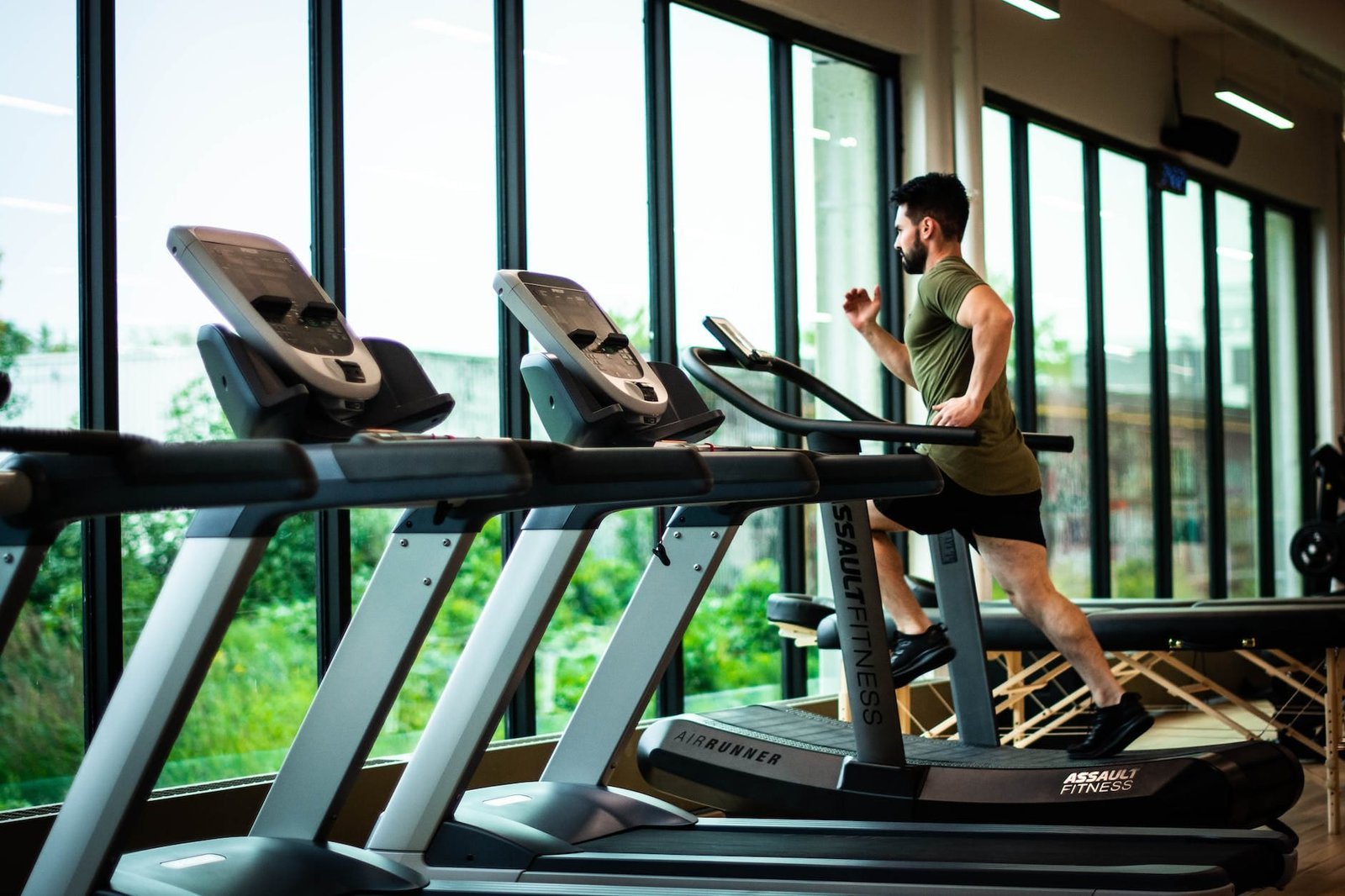
Health-conscious tenants appreciate having a fully-equipped gym on the premises. These fitness centers enable residents to maintain an active lifestyle without the need for expensive gym memberships or traveling to off-site facilities.
B. Yoga and meditation studios
To cater to the growing interest in holistic health practices, offering yoga and meditation studios within the rental property can attract tenants seeking balance and relaxation in their daily routines.
C. Wellness programs and classes
Organizing wellness programs and fitness classes within the community can foster a sense of camaraderie among tenants. From group workouts to nutritional workshops, these activities promote social interaction and overall well-being.
VIII. Pet-Friendly Amenities
A. Dog parks and pet play areas
As pet ownership continues to rise, pet-friendly amenities have become a major selling point for rental properties. Having designated dog parks or play areas where furry companions can socialize and exercise is a massive draw for pet-loving tenants.
B. Pet grooming stations
Making pet grooming convenient for tenants is another way to win over pet owners. Offering pet grooming stations on the property allows tenants to maintain their pets’ hygiene without having to leave the comfort of their homes.
C. Pet-friendly policies
Transparent and accommodating pet policies can attract a wider pool of potential tenants. Clearly outlining pet-related rules, fees, and deposit arrangements helps create a harmonious living environment for both pet owners and non-pet owners.
IX. Swimming Pools and Spas
A. Resort-style swimming pools
Swimming pools evoke a sense of luxury and relaxation, making them highly appealing to tenants, especially in warmer climates. A resort-style pool with lounge areas and cabanas can create a vacation-like atmosphere right within the rental community.
B. Heated pools for year-round use
In areas with cooler temperatures, having a heated pool extends its usability throughout the year. Tenants will appreciate the opportunity to enjoy swimming regardless of the weather.
C. On-site hot tubs and spas
For ultimate relaxation, on-site hot tubs and spas offer a perfect retreat for tenants to unwind and de-stress. These amenities can be a significant factor for potential tenants who prioritize their well-being and leisure.
X. Community Events and Social Spaces
A. Organized community gatherings
Fostering a sense of community is essential for rental properties. Organizing regular community gatherings, such as BBQs, holiday parties, or movie nights, encourages social interaction and helps tenants build meaningful connections with their neighbors.
B. Co-working spaces and lounges
With the rise of remote work and freelance careers, co-working spaces within the rental community can be highly desirable. Providing tenants with a dedicated area to work or study outside of their units enhances productivity and work-life balance.
C. Movie nights and game rooms
Fun-filled amenities like movie nights and game rooms add a touch of entertainment and leisure to the rental experience. These spaces serve as great gathering spots for tenants to enjoy recreational activities together.
XI. On-Site Management and Maintenance
A. Responsive property management
An attentive and responsive property management team is crucial for tenant satisfaction. Tenants value quick and effective solutions to any issues or concerns that may arise during their tenancy.
B. 24/7 maintenance availability
Unexpected maintenance issues can happen at any time. Having a 24/7 maintenance hotline ensures that tenants can report emergencies promptly and receive timely assistance.
C. Hassle-free problem resolution
Efficient problem-solving and effective communication from the property management team create a stress-free living environment for tenants, fostering a positive renting experience.
XII. Energy-Efficient and Sustainable Features
A. Solar panels and renewable energy sources
Sustainability is an increasingly important factor for tenants. Properties equipped with solar panels or other renewable energy sources not only reduce their carbon footprint but also appeal to environmentally-conscious renters.
B. Energy-efficient lighting and appliances
Energy-efficient lighting fixtures and appliances not only save tenants money on utility bills but also contribute to the property’s overall eco-friendly profile.
C. Green building certifications
Obtaining green building certifications, such as LEED or ENERGY STAR, demonstrates a commitment to sustainability and responsible environmental practices, making the property more attractive to eco-conscious tenants.
XIII. Covered Parking and Electric Vehicle Charging
A. Covered carports and garages
Covered parking options protect vehicles from the elements, such as rain, snow, and sun, providing tenants with added convenience and preserving the condition of their cars.
B. EV charging stations
As electric vehicles become increasingly popular, offering on-site electric vehicle charging stations can be a significant advantage for environmentally-aware tenants who own EVs.
XIV. Ample Storage Space
A. Walk-in closets
Walk-in closets are a coveted amenity, providing tenants with abundant storage space for their belongings. These spacious closets add a touch of luxury and convenience to the rental property.
B. Additional storage units
For properties with limited in-unit storage, providing tenants with the option to rent additional storage units on-site can be an attractive offering for individuals with unique storage needs.
XV. Modern Interior Design and Aesthetics
A. Open floor plans
Open floor plans create a sense of spaciousness and flow within the rental property. Tenants appreciate the flexibility of arranging furniture and the social interactions enabled by these layouts.
B. High-end finishes and materials
High-quality finishes and materials, such as hardwood flooring, granite countertops, and stainless steel appliances, elevate the overall appeal of the property and make tenants feel at home in a sophisticated environment.
C. Interior design consultations
Offering interior design consultations or furnishing packages can help tenants visualize the full potential of their new home. This service adds value by assisting tenants in personalizing their space, making it a place that reflects their style and personality.
XVI. Flexible Lease Options
A. Short-term lease availability
Flexibility in lease terms is highly appreciated by tenants who might require short-term housing due to work assignments, educational pursuits, or other temporary circumstances. Offering short-term lease options can attract a broader range of potential tenants.
B. Lease renewal incentives
Incentivizing lease renewals, such as rent discounts or upgraded amenities, can encourage tenants to stay longer and contribute to the stability and continuity of the rental community.
XVII. Smart Home Technology
A. Home automation systems
Smart home technology allows tenants to control various aspects of their living space remotely. From lighting and temperature to security systems, these features enhance convenience and modernize the rental property.
B. Voice-controlled assistants
Integrating voice-controlled assistants like Amazon Alexa or Google Home can streamline tasks for tenants, such as setting reminders, playing music, or controlling smart home devices, making their lives more efficient and enjoyable.
XVIII. Eco-Friendly Landscaping and Outdoor Features
A. Drought-resistant plants
Sustainable landscaping practices that include drought-resistant plants not only conserve water but also reduce maintenance costs while maintaining the beauty of outdoor spaces.
B. Rainwater harvesting systems
Implementing rainwater harvesting systems to water the landscape demonstrates a commitment to environmental responsibility. This eco-conscious feature resonates with tenants who value water conservation.
C. Outdoor recreation areas
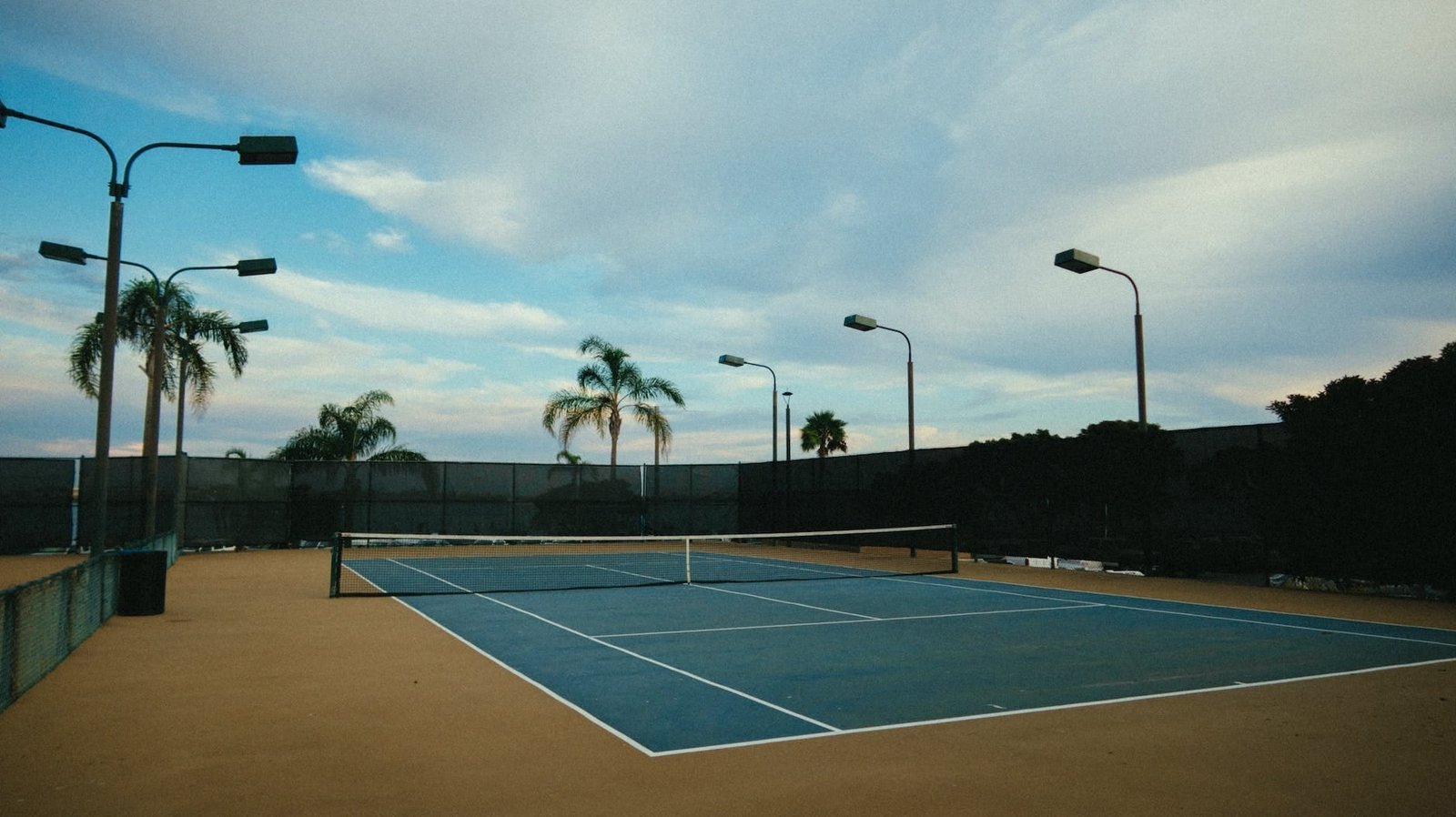
Creating outdoor recreation areas, such as walking trails, sports courts, or picnic areas, enhances the overall living experience for tenants and encourages an active and healthy lifestyle.
XIX. Conclusion
A. The value of tenant-focused amenities
In the competitive rental market of Land O’ Lakes, providing the right amenities is essential for attracting and retaining quality tenants. Thoughtfully selected amenities can significantly enhance a rental property’s appeal, leading to higher demand and longer tenancies.
B. Tailoring rental properties for tenant satisfaction
By understanding the preferences and priorities of the diverse tenant population in Land O’ Lakes, property owners can tailor their rental offerings to meet the needs of their target demographic. From modern appliances and eco-friendly features to social spaces and flexible lease options, investing in tenant-focused amenities is a strategic move to create a thriving and sought-after rental community in this vibrant region.
In conclusion, a successful rental property in Land O’ Lakes is one that caters to the diverse and evolving needs of its tenants. Location and accessibility, security measures, well-maintained landscaping, high-speed internet, modern appliances, in-unit laundry facilities, fitness and wellness centers, pet-friendly amenities, swimming pools, and community events are some of the top amenities that tenants prioritize. Energy-efficient and sustainable features, covered parking, ample storage space, modern interior design, flexible lease options, smart home technology, and eco-friendly landscaping also play significant roles in attracting and retaining quality tenants.
By offering these sought-after amenities and continually engaging with tenants to understand their evolving preferences, property owners can create a dynamic and desirable rental property that stands out in the competitive Land O’ Lakes rental market. The key to success lies in providing a living experience that not only meets but exceeds the expectations of tenants, fostering a thriving and harmonious community that tenants are proud to call home.