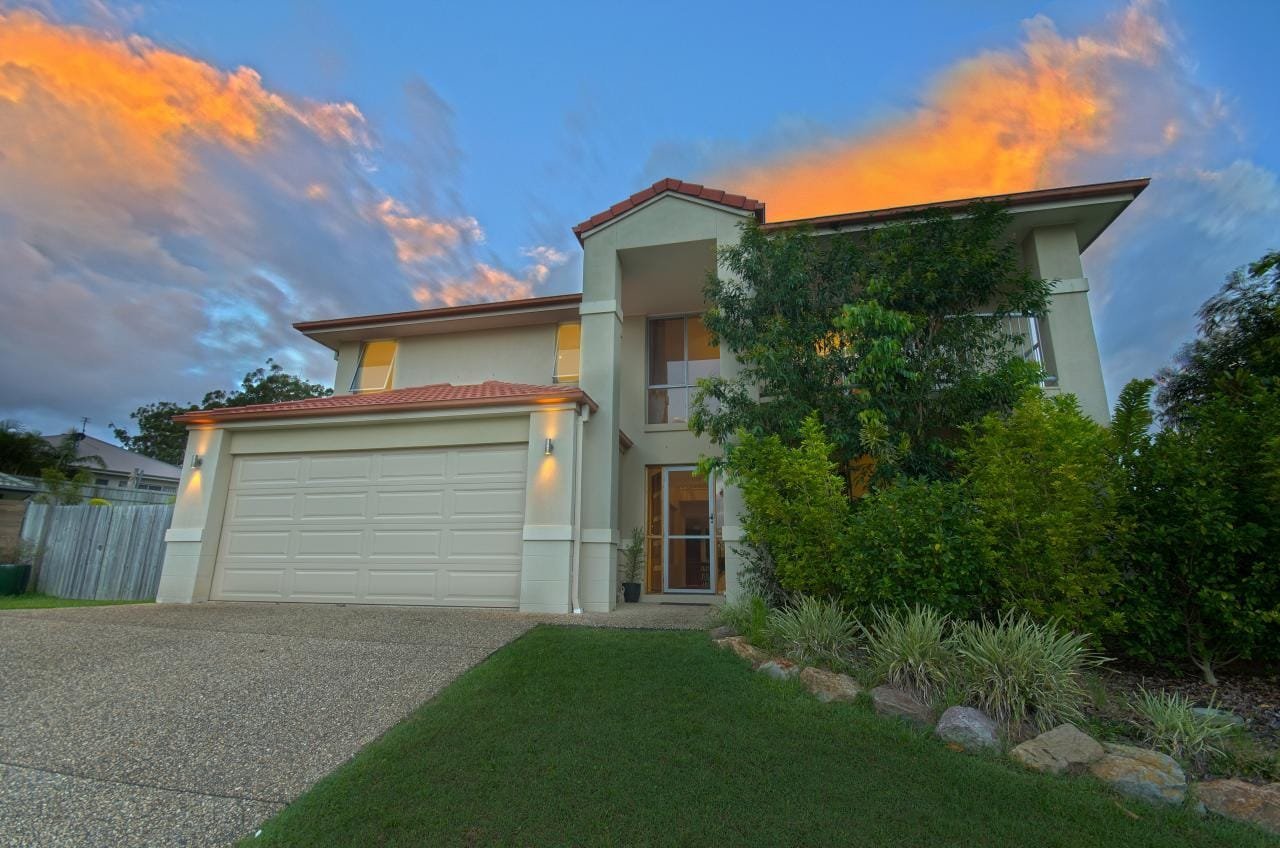
Short answer: a strong rental property strategy is not just about charging the highest possible rent. For Tampa Bay rental owners, the best strategy balances pricing, tenant quality, vacancy control, maintenance planning, lease renewal timing, and net operating income. A property that rents quickly to a qualified tenant at a sustainable price often outperforms a property that chases top-dollar rent and sits vacant.
If you own a rental home in Lutz, Land O’ Lakes, Odessa, Wesley Chapel, Trinity, North Tampa, or the surrounding Tampa Bay area, your strategy should answer one practical question: how do we protect cash flow this year while improving the property’s long-term value?
What is a rental property strategy?
A rental property strategy is the operating plan for turning a house into a stable investment. It includes how the property is priced, marketed, leased, maintained, renewed, inspected, and measured over time. The best strategies are specific to the local market, the property condition, the owner’s goals, and the renter profile most likely to lease the home.
For example, a newer Wesley Chapel rental near I-75 may need a different leasing strategy than an Odessa home with more privacy, a Lutz home near commuter routes, or a Land O’ Lakes property in a master-planned community. Each property competes in a different micro-market, and that should shape the plan.
The owner’s goal should be NOI, not just rent
Many landlords focus on monthly rent first. Rent matters, but net operating income matters more. NOI is the income left after normal operating expenses such as maintenance, management, vacancy, leasing costs, and other recurring ownership costs. A property with slightly lower rent and strong tenant retention can sometimes produce better annual results than a property with a high rent number and frequent turnover.
This is the strategic shift: do not ask only, “How much rent can I get?” Ask, “What rent, tenant profile, maintenance plan, and renewal strategy will produce the strongest annual return?”
1. Start with a real rental analysis
A good rental analysis looks beyond one or two online listings. It should compare active competition, recently leased homes, property condition, square footage, bedroom count, lot features, garage space, pet policy, HOA rules, commute access, school zones, and seasonality.
In North Tampa Bay, two homes that look similar on paper can perform very differently. A property near SR 54, the Veterans Expressway, I-75, Wiregrass, Tampa Premium Outlets, or major employment corridors may attract a different tenant pool than a home tucked deeper into a neighborhood. Strategy starts with that reality.
Request a free rental value analysis if you want a local pricing review before listing or renewing a lease.
2. Price for qualified demand, not wishful demand
The best rent is not always the highest advertised rent. If a home is priced too aggressively, it can lose the first wave of qualified renters, sit longer, and eventually require a reduction. That delay can erase the benefit of asking for more.
Owners should watch early market signals: listing views, inquiries, showing requests, feedback, application quality, and competing inventory. If the listing is live but renters are not responding, the market is giving feedback. The strategy should adjust before vacancy becomes expensive.
3. Build the leasing plan around the right tenant profile
A rental strategy should define the type of tenant most likely to be a good fit for the property. A three-bedroom home with a fenced yard in Land O’ Lakes may appeal to a different renter than a low-maintenance townhome in Wesley Chapel or a larger home in Odessa.
This affects the marketing language, photography, showing schedule, pet policy, lease terms, and screening criteria. Good strategy is not generic. It connects the property’s strengths to the renter most likely to value them.
4. Make the home rent-ready before the listing goes live
Rent-ready condition directly affects days on market. Tenants compare listings quickly, and they often make decisions based on photos before they ever visit the home. Clean paint, working appliances, good lighting, neutral flooring, curb appeal, and a fresh interior can help a property lease faster and reduce price objections.
Owners do not always need major renovations. The highest-return improvements are often simple: deep cleaning, pressure washing, landscaping, updated fixtures, repaired screens, working blinds, fresh caulk, brighter bulbs, and professional photos.
5. Use maintenance as a retention strategy
Maintenance is not only an expense. It is also a tenant-retention tool. Fast, professional maintenance response helps reduce frustration, protects the property, and makes good tenants more likely to renew.
Deferred maintenance can create hidden costs: tenant dissatisfaction, longer vacancy, emergency repairs, lower reviews, and more difficult turns. A better rental strategy includes preventive maintenance, clear response standards, vendor coordination, and documentation.
6. Treat renewals as a profit center
Lease renewals deserve as much strategy as new leasing. A renewal decision should weigh current market rent, tenant quality, property condition, payment history, maintenance behavior, and turnover cost. Raising rent too aggressively can push out a good tenant and create vacancy. Failing to raise rent at all can leave income behind.
The right renewal offer often balances market movement with retention value. If a tenant pays on time, takes care of the home, and communicates well, keeping that tenant may be more profitable than chasing a higher rent with a new unknown tenant.
7. Track the numbers that actually explain performance
Owners should track more than rent collected. The most useful rental property metrics include vacancy days, days on market, average maintenance cost, renewal rate, tenant turnover cost, leasing cost, rent-to-market position, and annual net operating income.
These numbers help owners make better decisions. If maintenance costs are rising, the property may need preventive work. If vacancy is increasing, pricing or listing presentation may need attention. If turnover is frequent, the issue may be tenant screening, renewal strategy, property condition, or response time.
8. Know when professional management makes sense
Self-managing can work for some owners, especially if they have time, local vendor relationships, legal familiarity, and consistent availability. But management becomes harder when an owner is remote, busy, dealing with maintenance delays, struggling with leasing, or unsure about pricing and compliance.
A property manager can help with pricing, marketing, tenant screening, lease execution, maintenance coordination, inspections, owner reporting, and renewal planning. For many Tampa Bay owners, the value is not just convenience. It is fewer costly mistakes and a more disciplined operating system.
If you are comparing self-management against professional support, see residential property management services or request a property management quote.
What is the best rental strategy for Tampa Bay investors?
The best rental strategy for Tampa Bay investors is a balanced cash-flow strategy: price the home accurately, reduce vacancy, screen carefully, maintain the property proactively, keep good tenants, and evaluate performance by annual return instead of monthly rent alone.
This approach works especially well in North Tampa Bay communities where renter demand can vary by neighborhood, commute pattern, school zone, HOA rules, property age, and available inventory.
Rental property strategy checklist for owners
- Pricing: compare active listings and recently leased homes in the same micro-market.
- Presentation: make the home clean, bright, functional, and photo-ready before launch.
- Marketing: write the listing around renter priorities such as commute, layout, yard, garage, and community features.
- Screening: use consistent criteria for income, rental history, credit behavior, background, and identity verification.
- Maintenance: respond quickly and plan preventive repairs before small issues become expensive.
- Renewals: compare rent growth against turnover risk before increasing rent.
- Reporting: track vacancy, DOM, maintenance, turnover, and NOI.
Local strategy by market
Lutz: emphasize commuter access, school-area demand, yard space, and proximity to North Tampa employment corridors.
Land O’ Lakes: highlight master-planned communities, garages, family-friendly layouts, SR 54 access, and community amenities.
Odessa: position privacy, larger lots, newer corridors, Starkey Ranch access, and premium lifestyle features carefully.
Wesley Chapel: focus on access to I-75, Wiregrass, Tampa Premium Outlets, newer construction, and amenity-rich communities.
Trinity: market access to Pasco and Pinellas corridors, medical employment centers, schools, and established residential communities.
How Releve helps owners build a better rental strategy
Releve Property Management helps rental owners in Tampa Bay turn scattered decisions into a clear operating plan. That includes rental analysis, rent-ready recommendations, listing strategy, tenant placement, screening, leasing, maintenance coordination, renewal planning, and owner reporting.
If your rental property feels reactive, the next move is to make it measurable. Know the market rent, know the tenant profile, know the cost of vacancy, and know the plan before the listing goes live.
Start with a free rental analysis or request a quote for property management if you want help building the full strategy.
FAQs: rental property strategy for Tampa Bay owners
What is the most important rental property metric?
Net operating income is one of the most important metrics because it shows what the property produces after normal operating costs. Owners should also track vacancy days, days on market, maintenance costs, renewal rate, and turnover costs.
Should I raise rent every year?
Not automatically. Owners should compare current market rent, tenant quality, payment history, maintenance behavior, and turnover risk. A reasonable renewal increase may be smart, but an aggressive increase can create vacancy and reduce annual return.
How do I reduce vacancy on a rental home?
Reduce vacancy by pricing accurately, preparing the home before listing, using professional photos, responding quickly to inquiries, simplifying showings, and screening tenants efficiently without lowering standards.
What repairs increase rental value the most?
The best repairs are usually visible and practical: paint, flooring, lighting, appliances, landscaping, pressure washing, clean bathrooms, working fixtures, and improved curb appeal. Owners should avoid over-improving beyond what the local rental market will reward.
Is property management worth it for one rental home?
Property management can be worth it for one rental home if the owner wants help with pricing, leasing, screening, maintenance, compliance, renewals, and reducing vacancy. The decision depends on the owner’s time, experience, distance from the property, and tolerance for risk.