Tag: property inspections

  • What Landlords Need to Know for a Hurricane in Florida

    What Landlords Need to Know for a Hurricane in Florida

    Introduction

    As a landlord in Florida, it’s crucial to be well-prepared and knowledgeable about the potential impact of hurricanes. These powerful storms can cause significant damage to properties, disrupt tenants’ lives, and lead to substantial financial losses if not properly managed. This article aims to provide landlords with essential information and actionable steps to protect their properties and ensure the safety of their tenants during hurricane events.

    Understanding the Impact of Hurricanes

    The Basics of Hurricanes

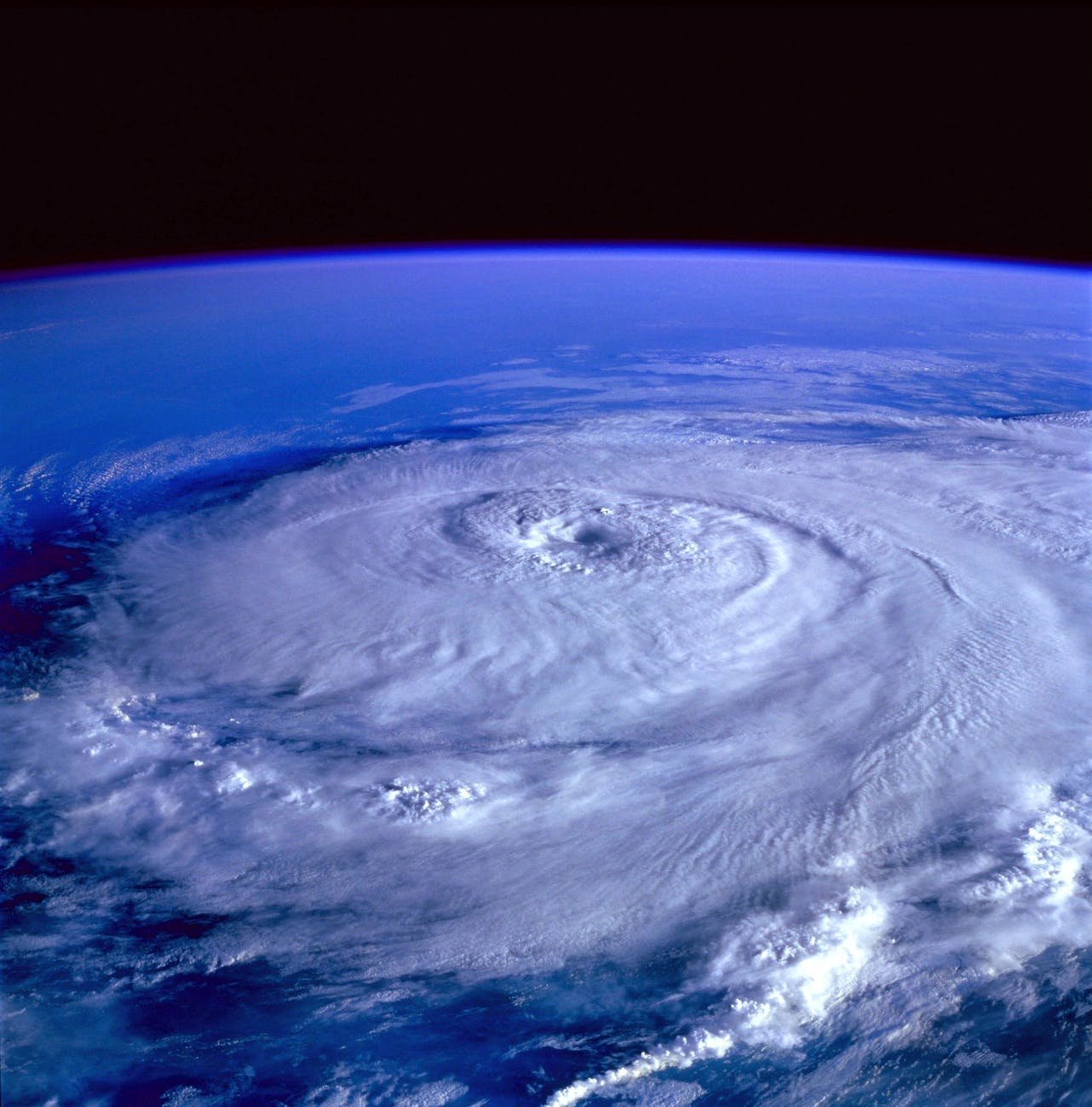
    Hurricanes are intense tropical storms characterized by strong winds, heavy rainfall, and storm surges. They are classified on a scale of categories ranging from 1 to 5, with Category 5 being the most severe. Florida, due to its geographic location, is particularly vulnerable to hurricanes, making it essential for landlords to be prepared for these natural disasters.

    Potential Property Damage

    Hurricanes can cause extensive damage to buildings, including roof damage, flooding, and structural issues. It is crucial for landlords to assess their properties’ vulnerabilities and take appropriate measures to mitigate potential damage. Regular property inspections, maintenance, and fortification can significantly reduce the risk of costly repairs and ensure the safety of tenants.

    Tenant Safety and Communication

    Ensuring the safety of tenants is of utmost importance during a hurricane. Landlords should develop an emergency plan and clearly communicate it to all tenants. This plan should include evacuation routes, designated shelter areas, and emergency contact information. Regularly updating tenants about the approaching storm and providing them with essential supplies and resources will help minimize anxiety and ensure their well-being.

    Preparing for a Hurricane

    Insurance Coverage and Documentation

    Having adequate insurance coverage is crucial for landlords. It is essential to review insurance policies regularly to understand the extent of coverage for hurricane-related damages. Additionally, maintaining thorough documentation of the property’s condition before the hurricane, including photographs and detailed descriptions, can simplify the claims process and facilitate a smoother recovery.

    Property Inspections and Maintenance

    Regular inspections and maintenance can identify potential vulnerabilities that need attention before a hurricane strikes. Landlords should ensure that roofs are in good condition, windows are properly sealed, and drainage systems are clear. It is advisable to hire professionals to conduct thorough inspections and make necessary repairs to safeguard the property.

    Secure Outdoor Items and Utilities

    Outdoor items such as patio furniture, grills, and trash cans can become hazardous projectiles during strong winds. Landlords should secure or store these items to prevent them from causing damage to the property or neighboring structures. Additionally, turning off utilities, such as gas and electricity, before the hurricane can help prevent accidents and further property damage.

    Establishing Communication Channels

    Maintaining open lines of communication with tenants and local authorities is vital during a hurricane. Landlords should establish reliable communication channels, such as email groups or text messaging systems, to provide timely updates and instructions to tenants. Staying informed about the latest weather updates and emergency announcements from local authorities will help landlords make informed decisions and keep their tenants safe.

    During and After the Hurricane

    Ensuring Tenant Safety

    During a hurricane, the safety of tenants should be the primary concern. Landlords should encourage tenants to follow evacuation orders and seek shelter in designated areas. If tenants are unable to evacuate, landlords should provide guidance on securing windows and doors, locating safe areas within the property, and accessing emergency supplies. Regular check-ins with tenants throughout the storm can provide reassurance and allow for immediate assistance if needed.

    Assessing Property Damage

    After the hurricane has passed, landlords should assess the property for any damages or safety hazards. It is essential to prioritize immediate repairs to prevent further damage and ensure the property is habitable.

    Documenting the Damage

    Taking detailed photographs and notes of the damage is crucial for insurance claims and documentation purposes. Landlords should document all visible damages, including structural issues, water intrusion, and any other significant losses. This evidence will support the insurance claim and help expedite the recovery process.

    Contacting Insurance Providers

    Once the damage has been assessed and documented, landlords should promptly contact their insurance providers to initiate the claims process. It is essential to provide all necessary documentation and cooperate fully with the insurance company’s requirements. Keep a record of all communication and follow up regularly to ensure a timely resolution.

    Temporary Accommodation for Tenants

    In cases where the property is uninhabitable due to severe damage, landlords should assist tenants in finding temporary accommodation. This could involve providing a list of nearby hotels or rental options and working with tenants to make necessary arrangements. Maintaining open lines of communication and offering support during this challenging time will help alleviate tenants’ concerns.

    Conclusion

    Being prepared and knowledgeable about hurricanes is essential for landlords in Florida. By understanding the potential impact of hurricanes, preparing their properties, and ensuring tenant safety, landlords can minimize damage, protect their investments, and provide a secure environment for tenants during these natural disasters. Regular inspections, maintenance, and effective communication are key elements in successfully navigating the challenges posed by hurricanes.

    FAQs

    Q1: What should landlords do if their property is located in an evacuation zone?

    A1: Landlords should closely monitor official announcements and follow the instructions given by local authorities. If their property is in an evacuation zone, they should notify tenants and provide guidance on evacuation routes and designated shelters. The safety of tenants should always be the top priority.

    Q2: Can landlords require tenants to evacuate during a hurricane?

    A2: While landlords cannot physically force tenants to evacuate, they can strongly advise and encourage them to do so, especially if there is an official evacuation order in place. Landlords should clearly communicate the risks involved and the potential consequences of not evacuating, but ultimately, the decision lies with the tenants.

    Q3: How can landlords assist tenants in the aftermath of a hurricane?

    A3: Landlords can provide support to tenants by promptly assessing property damages, initiating the insurance claims process, and assisting tenants in finding temporary accommodations if necessary. Maintaining open lines of communication and addressing tenants’ concerns with empathy and understanding is crucial during this challenging time.

    Remember, hurricanes are unpredictable and can cause significant damage. By being well-prepared, proactive, and responsive, landlords can minimize the impact on their properties and ensure the safety and well-being of their tenants.
  • Developing Preventive Investment Property Maintenance Plans

    Developing Preventive Investment Property Maintenance Plans

    Investment properties require consistent and effective maintenance to protect their value and ensure their longevity. One of the most effective ways to achieve this is by implementing preventive maintenance plans. In this article, we will explore the importance of developing preventive investment property maintenance plans and provide insights into how to create and implement an effective plan.

    I. Introduction

    Investment properties, such as rental properties, commercial buildings, and vacation homes, are valuable assets that require regular care to maintain their condition and value. Many property owners and managers focus on reactive maintenance, addressing issues as they arise. However, preventive maintenance can save time, money, and resources in the long run and significantly extend the lifespan of the property.

    In this article, we will delve into the benefits of preventive maintenance for investment properties and provide a comprehensive guide on how to develop and implement an effective preventive maintenance plan.

    II. Benefits of Preventive Maintenance

    Implementing a preventive maintenance plan for investment properties can offer several significant benefits:

    Cost savings in the long run

    Proactive maintenance can help identify and address potential issues early on, preventing them from escalating into more extensive and costly repairs. Regular inspections and maintenance tasks can catch minor problems before they become major issues, saving property owners from incurring significant repair costs.

    Extended lifespan of property

    Regular maintenance can help prolong the lifespan of the property and its components, such as HVAC systems, plumbing, and electrical systems. By addressing wear and tear and addressing maintenance needs promptly, property owners can avoid premature replacements and ensure the property’s longevity.

    Increased property value

    Investment properties that are well-maintained and in good condition are more attractive to potential tenants and buyers. A preventive maintenance plan can help enhance the property’s value by keeping it in optimal condition, improving its aesthetics, and providing a safe and comfortable environment for tenants.

    III. Components of an Effective Preventive Maintenance Plan

    A well-designed preventive maintenance plan should include the following key components:

    Regular inspections

    Regular inspections of the property and its components are crucial in identifying potential maintenance needs. Inspections can include visual assessments, testing, and measuring various systems and components to ensure they are functioning optimally. Inspections should be conducted at scheduled intervals and documented for reference and record-keeping.

    Scheduled maintenance tasks

    A preventive maintenance plan should include a list of scheduled maintenance tasks that need to be performed regularly. These tasks may include routine cleaning, servicing, lubricating, and adjusting of various systems and components. The schedule should be based on the manufacturer’s recommendations, industry standards, and the property’s specific needs.

    Record keeping

    Maintaining detailed records of all maintenance activities is essential for effective preventive maintenance plans. Records should include the date of the maintenance activity, the tasks performed, the results, and any notes or observations. Proper record keeping allows property owners and managers to track the maintenance history, identify patterns or trends, and make informed decisions about future maintenance needs.

    Emergency response plan

    An effective preventive maintenance plan should also include an emergency response plan. This plan should outline the procedures to follow in case of emergencies, such as fire, flood, or severe weather events. It should include contact information for emergency services, evacuation procedures, and protocols for securing the property to prevent further damage.

    IV. Implementing a Preventive Maintenance Plan

    Implementing a preventive maintenance plan for an investment property involves several steps:

    Conducting initial property assessment

    The first step in developing a preventive maintenance plan is to conduct a comprehensive assessment of the property. This assessment should include a thorough inspection of all the property’s components, including the building structure, electrical systems, plumbing, HVAC systems, landscaping, and any other relevant areas. The assessment will help identify potential maintenance needs and prioritize them based on their urgency and importance.

    Creating a detailed maintenance schedule

    Based on the initial property assessment, a detailed maintenance schedule should be created. This schedule should outline all the scheduled maintenance tasks, their frequency, and the responsible party for each task. The schedule should be realistic and feasible, taking into account the property’s specific needs, budget, and available resources.

    Training property management team

    The success of a preventive maintenance plan relies heavily on the property management team’s understanding and implementation of the plan. Proper training should be provided to the property management team on the importance of preventive maintenance, the specific tasks to be performed, and the procedures to follow. This includes training on how to conduct inspections, perform maintenance tasks, and document the results accurately.

    Utilizing technology for tracking and reporting

    Leveraging technology can greatly streamline the implementation of a preventive maintenance plan. There are numerous property management software and tools available that can help track and report on maintenance activities. These tools can automate scheduling, send reminders, track completion of tasks, and generate reports for analysis and decision-making. Utilizing technology can improve efficiency, accuracy, and accountability in the preventive maintenance process.

    V. Common Challenges in Implementing Preventive Maintenance Plans

    Despite the benefits of preventive maintenance, there are several common challenges that property owners and managers may face in implementing an effective plan:

    Lack of budget and resources

    One of the main challenges in implementing a preventive maintenance plan is the availability of budget and resources. Property owners and managers may face constraints in allocating sufficient funds and resources for regular maintenance tasks. This can result in delayed or inadequate maintenance, leading to potential issues down the road. It is essential to prioritize preventive maintenance in the budget and allocate adequate resources to ensure its successful implementation.

    Resistance to change

    Implementing a preventive maintenance plan may require changes in existing processes, procedures, and mindset. Resistance to change from property management team members or other stakeholders can hinder the successful implementation of the plan. It is crucial to communicate the benefits of preventive maintenance, address concerns, and provide proper training and support to overcome resistance to change.

    Compliance with regulations and codes

    Investment properties are subject to various regulations, codes, and standards related to safety, health, and environmental requirements. Ensuring compliance with these regulations can be challenging, as failure to comply can result in fines, penalties, and legal liabilities. A preventive maintenance plan should include provisions for compliance with relevant regulations and codes, and regular monitoring should be in place to ensure compliance.

    VI. Tips for Successful Preventive Maintenance Planning

    To ensure the success of a preventive maintenance plan for investment properties, consider the following tips:

    Prioritizing tasks

    Not all maintenance tasks are created equal. Some tasks may be more critical than others in terms of their impact on the property’s performance and longevity. It is important to prioritize tasks based on their urgency and importance. This can be done through thorough assessments and understanding the property’s specific needs and requirements.

    Regular inspections

    Regular inspections are a crucial part of preventive maintenance. Inspections should be conducted at regular intervals to identify potential maintenance needs and address them before they turn into major issues. Inspections should cover all areas of the property, including the building structure, electrical systems, plumbing, HVAC systems, landscaping, and other relevant components.

    Documentation and record keeping

    Proper documentation and record keeping are essential in a preventive maintenance plan. Records should be maintained for all maintenance tasks, including the date, tasks performed, results, and any observations. This allows property owners and managers to track the maintenance history, identify patterns or trends, and make informed decisions about future maintenance needs.

    Utilizing technology

    Leveraging technology can greatly enhance the effectiveness of a preventive maintenance plan. There are various property management software and tools available that can automate scheduling, send reminders, track completion of tasks, and generate reports for analysis and decision-making. Utilizing technology can improve efficiency, accuracy, and accountability in the preventive maintenance process.

    Regular training and communication

    Proper training and communication are key to the successful implementation of a preventive maintenance plan. Property management team members should be trained on the importance of preventive maintenance, the specific tasks to be performed, and the procedures to follow. Regular communication should be maintained to address concerns, provide updates, and ensure everyone is on the same page.

    Conclusion

    Developing preventive investment property maintenance plans is a critical aspect of property management. It helps to prevent costly repairs, extend the lifespan of property components, ensure safety and compliance, and maintain a high standard of property performance. By conducting initial assessments, creating a detailed maintenance schedule, training the property management team, utilizing technology, and addressing common challenges, property owners and managers can implement effective preventive maintenance plans for their investment properties.

    FAQs (Frequently Asked Questions)

    1. How often should preventive maintenance tasks be performed on an investment property? It depends on various factors such as the type of property, its age, location, and condition. A thorough initial assessment should be conducted to determine the frequency of maintenance tasks.
    2. Can preventive maintenance help in reducing property expenses? Yes, preventive maintenance can help in reducing property expenses by addressing maintenance needs before they turn into major issues, thus avoiding costly repairs or replacements.
    3. What are the common challenges in implementing preventive maintenance plans? Common challenges include lack of budget and resources, resistance to change, and compliance with regulations and codes.
    4. Can technology be used in implementing preventive maintenance plans? Yes, technology can greatly enhance the effectiveness of preventive maintenance plans by automating scheduling, reminders, and reporting.
    5. How important is documentation and record keeping in a preventive maintenance plan? Documentation and record keeping are crucial in a preventive maintenance plan as they allow for tracking maintenance history, identifying patterns or trends, and making informed decisions about future maintenance needs.

    Further Reading…

    For more information on developing preventive investment property maintenance plans, check out this helpful guide from This Old House: https://www.thisoldhouse.com/