Tag: property owners

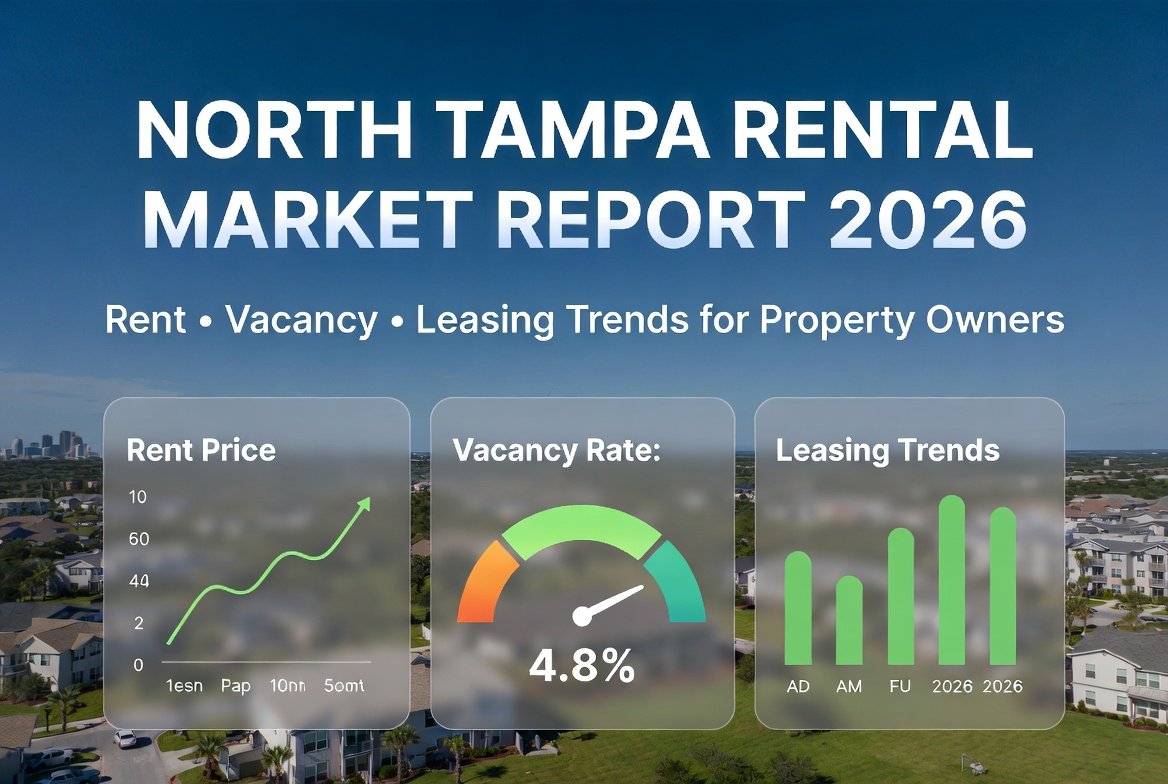
  • North Tampa Rental Market Report: Rent, Vacancy, and Leasing Trends for Property Owners

    North Tampa Rental Market Report: Rent, Vacancy, and Leasing Trends for Property Owners

    If you own rental property in North Tampa, the market is still giving landlords real opportunity, but it is rewarding disciplined execution more than passive ownership.

    That means pricing strategy, property presentation, lead response time, and tenant quality matter more than ever. A property that is well-positioned can still lease well. A property that is overpriced, slow to show, or poorly marketed can sit longer than owners expect.

    North Tampa Rental Market Snapshot

    North Tampa continues to attract renters looking for location convenience, neighborhood variety, and more practical housing options than some of the higher-priced parts of the Tampa Bay area. For owners, that creates a healthy rental base, but not a market where you can ignore operations.

    The strongest-performing rentals tend to share a few traits:

    • realistic pricing from day one
    • clean presentation and listing photos
    • fast response to tenant inquiries
    • clear screening standards
    • smoother maintenance coordination after move-in

    In other words, North Tampa is still a strong owner market, but it is no longer a market where average execution automatically gets above-average results.

    What Renters in North Tampa Are Looking For

    North Tampa renter demand is driven by a mix of households looking for access to major commuter corridors, practical single-family or townhome living, proximity to schools, retail, and medical corridors, and more value than some of the more premium Tampa submarkets.

    This makes North Tampa especially relevant for landlords who own homes in neighborhoods that balance convenience with livability. Many renters are not simply looking for the cheapest option. They are looking for the best overall value, and that changes how owners should think about pricing and leasing.

    Rental Rates: What Owners Should Pay Attention To

    The biggest mistake many landlords make is assuming that demand alone will carry the property. In reality, renters compare homes aggressively. Even small pricing mistakes can increase days on market, especially when nearby properties are presented better or include recent cosmetic updates.

    A home that sits vacant for several extra weeks because it launched too high may lose more income than the owner would have given up by pricing it correctly from the start. That is why accurate pricing matters more than optimistic pricing.

    Vacancy and Leasing Speed

    North Tampa vacancy pressure is still manageable, but leasing speed depends heavily on execution. Properties tend to move faster when they have strong listing copy, current photography, responsive communication, a clean showing experience, and a rent level supported by the active competitive set.

    When those pieces are weak, owners usually feel the pain in one of two ways: the property sits too long without quality applications, or the owner accepts a weaker tenant to reduce downtime.

    What This Means for Property Owners

    For owners in North Tampa, the current market supports a practical, disciplined strategy:

    • price from real local comparables, not wishful thinking
    • fix visible condition issues before listing
    • make the listing stand out immediately
    • screen for stability, not just speed
    • respond quickly to serious inquiries
    • protect the tenant experience after move-in

    This is especially important for accidental landlords and small investors who may be competing against better-managed properties. The owners who treat leasing like a process rather than a one-time event are in the best position to reduce vacancy and protect long-term returns.

    Strategic Recommendation for This Quarter

    If you are planning to lease or renew a rental in North Tampa, this is a good time to review whether your current pricing still reflects the local market. Do not assume last year’s number is still the right number. Do not assume strong demand will overcome weak presentation. And do not assume a vacant property will correct itself without a clear plan.

    The best-performing owners are the ones who adjust early.

    Final Takeaway

    North Tampa remains a strong rental market for owners, but it is rewarding local knowledge and disciplined management more than passive ownership.

    If you want better results, focus on accurate rent pricing, shorter leasing timelines, stronger tenant placement, smoother property operations, and fewer preventable vacancy losses.

    If you want to know what your property could rent for in the current North Tampa market, the next best step is to get a professional rental analysis before you list.

    Get Free Rental Analysis

    Or, if you are ready to talk through management options:

    Get Started

    FAQs

    Is North Tampa a good area for rental property owners?

    Yes. North Tampa continues to attract renter demand because of location convenience, neighborhood variety, and relatively practical housing options compared with some higher-cost Tampa submarkets.

    How long should it take to lease a rental in North Tampa?

    That depends on pricing, condition, marketing, and responsiveness. Well-positioned properties generally lease faster than homes that launch above market or show poorly.

    What is the biggest mistake landlords make in North Tampa?

    Overpricing is one of the biggest mistakes. Many owners also lose time and money through weak listing presentation and slow lead follow-up.

    Should I raise rent on my North Tampa property this year?

    Maybe, but it should be based on current local comparables, current condition, and active competition, not on a blanket increase.

    What is the best next step before listing a North Tampa rental?

    Get a current rental analysis and compare your property against active competing listings before choosing a rent number.

  • Avoid Hidden and Junk Fees in Property Management

    Avoid Hidden and Junk Fees in Property Management

    Introduction

    When it comes to property management, it’s crucial to be aware of the potential hidden and junk fees that can eat into your profits. As a property owner or investor, understanding and avoiding these fees is essential for maintaining a successful and profitable rental business. In this comprehensive guide, we will explore various types of hidden and junk fees that property owners often encounter and provide strategies to minimize their impact. By being proactive and knowledgeable, you can protect your bottom line and ensure a smooth and profitable property management experience.

    Understanding Hidden Fees

    Defining Hidden Fees

    Hidden fees refer to charges imposed by property management companies or service providers that are not explicitly disclosed upfront. These fees are often buried in the fine print or contracts, catching property owners off guard when they appear on their billing statements. Hidden fees can range from administrative charges, maintenance markups, or even fees for routine tasks that should be included as part of the management company’s standard services.

    Impact on Property Owners

    Hidden fees can significantly impact your rental property’s profitability. They can quickly accumulate, leading to unexpected expenses and reduced returns on investment. For property owners with multiple units or large portfolios, the cumulative effect of these fees can be substantial. It is crucial to identify and minimize these hidden fees to maximize your property’s financial performance.

    Common Hidden Fees in Property Management

    To effectively avoid hidden fees, it’s essential to be aware of the most common ones. Let’s explore some of the fees that property owners should watch out for:

    Administrative Fees

    Some property management companies charge administrative fees for tasks like preparing lease agreements, handling tenant screenings, or processing maintenance requests. While administrative fees are not uncommon, it’s important to review your contract carefully and ensure that these charges are reasonable and necessary.

    Maintenance Markups

    Maintenance markups are another hidden fee that can significantly impact your bottom line. Some property management companies may charge an additional fee on top of the actual cost of repairs or maintenance services. It’s essential to clarify in your contract how maintenance expenses will be handled and whether any additional markups will be applied.

    Lease Renewal Fees

    Certain property management companies may charge fees for lease renewals, even though the renewal process is a standard part of their responsibilities. These fees can vary widely, and property owners should carefully consider whether they are reasonable and necessary.

    Vacancy Fees

    When a tenant moves out, property management companies may charge vacancy fees to cover the costs associated with finding a new tenant. While some degree of fee may be understandable, it’s important to review the terms and ensure that these charges align with industry standards.

    Marketing and Advertising Fees

    Property management companies may also charge fees for marketing and advertising your rental property. While promoting your property is essential, it’s crucial to assess the value you are receiving for these fees and compare them to alternative marketing strategies.

    Late Payment Fees

    Late payment fees are relatively common, but the amount charged can vary. Property owners should ensure that the late payment fees imposed by their management company are reasonable and proportionate to the rental amount.

    Strategies to Minimize Hidden Fees

    Now that we have identified common hidden fees, let’s explore strategies to minimize their impact and protect your property’s profitability.

    Thoroughly Review Contracts

    Before entering into a property management agreement, carefully review the contract terms and conditions. Pay close attention to fee structures, including any mention of potential hidden fees. Seek legal advice if necessary to ensure you fully understand the contract and its implications.

    Request Fee Breakdowns

    When you receive billing statements, don’t hesitate to request a detailed breakdown of the charges. This will help you identify any unexpected or excessive fees and provide an opportunity to address them with your property management company

    to ensure transparency and accountability.

    Communicate Openly

    Maintaining open communication with your property management company is key to avoiding hidden fees. Regularly discuss your expectations and concerns regarding fees and clarify any potential misunderstandings. By fostering a transparent and collaborative relationship, you can address fee-related issues proactively.

    Seek Competitive Bids

    When it comes to maintenance and repair services, it’s wise to seek competitive bids from multiple vendors. This practice can help you compare prices and ensure that you are not being charged excessive markups or hidden fees by your property management company. Request itemized quotes and carefully evaluate the costs before proceeding with any repairs or maintenance work.

    Research Industry Standards

    Take the time to research industry standards and best practices regarding property management fees. This knowledge will empower you to make informed decisions and negotiate fair terms with your management company. Stay updated on trends and changes within the industry to ensure you are not being charged unreasonable fees.

    Consider Self-Management

    If you have the time, resources, and expertise, self-managing your rental property can be a viable option to avoid hidden fees altogether. By taking on the responsibilities of property management yourself, you can have full control over expenses and eliminate any uncertainties regarding fees charged by third-party companies. However, keep in mind that self-management requires dedication and a thorough understanding of property management principles.

    Regularly Review Statements and Invoices

    Make it a habit to regularly review your billing statements and invoices. Check for any discrepancies, unexpected charges, or sudden increases in fees. By promptly addressing any issues, you can ensure that you are only paying for services rendered and prevent hidden fees from slipping through unnoticed.

    Conclusion

    In the world of property management, hidden and junk fees can significantly impact your rental property’s profitability. However, by understanding the common types of hidden fees, implementing proactive strategies, and maintaining open communication with your property management company, you can minimize their impact and protect your bottom line.

    Remember to thoroughly review contracts, request fee breakdowns, and seek competitive bids for maintenance and repair services. Stay informed about industry standards and consider self-management if feasible. Lastly, regularly review your statements and invoices to catch any discrepancies.

    By following these steps and being diligent in your approach, you can avoid hidden and junk fees, ensuring a smooth and financially rewarding property management experience.

    Remember, protecting your investment starts with being informed and proactive. Don’t let hidden fees eat into your profits—take charge and stay vigilant!