Tag: rental properties

  • Land O’ Lakes Property Management: A Guide to Streamlining Your Rental Experience

    Land O’ Lakes Property Management: A Guide to Streamlining Your Rental Experience

    Introduction:

    Navigating the complexities of property management in Land O’ Lakes can be a daunting task for both landlords and tenants. However, with the assistance of a reputable property management company, the process can become seamless and advantageous for all parties involved. This article explores the myriad benefits of utilizing such services, highlighting why both landlords and tenants should consider partnering with a property management company in Land O’ Lakes.

    Benefits for Landlords:

    • Expert Tenant Screening: Ensure quality tenants and protect your investment with thorough screening processes.
    • Streamlined Rent Collection: Eliminate the hassle of collecting rent with secure online portals and automated reminders.
    • Efficient Maintenance Coordination: Maintain your property’s value and appeal with prompt and professional maintenance services.
    • Thorough Legal Compliance: Mitigate legal risks and ensure adherence to local regulations and laws.
    • Enhanced Communication Channels: Foster positive relationships and resolve issues effectively with clear and transparent communication.
    • Comprehensive Financial Reporting: Gain valuable insights into your property’s financial performance with detailed reports.
    • Stress-Free Vacancy Management: Minimize downtime and maximize rental income with proactive vacancy management strategies.

    Benefits for Tenants:

    • Professional Management: Experience a streamlined rental process with dedicated property managers handling your needs.
    • Efficient Maintenance Response: Enjoy prompt attention to maintenance requests and repairs.
    • Clear Communication: Stay informed about important updates and policies through clear communication channels.
    • Professional Lease Agreements: Benefit from legally sound lease agreements that protect your rights and responsibilities.

    FAQs:

    • How do property management companies screen tenants?
      • They employ a comprehensive process including credit checks, rental history verification, income verification, and background checks.
    • What fees are associated with property management services?
      • Fees vary depending on services offered and property size, typically a percentage of monthly rent or a flat fee.
    • Can property management companies help with property maintenance?
      • Yes, they oversee all aspects of maintenance, from coordinating repairs to conducting inspections.
    • Do they handle tenant complaints and disputes?
      • Yes, they act as intermediaries, addressing complaints, resolving disputes, and ensuring adherence to lease agreements.
    • How do they handle late rent payments?
      • They implement strict rent collection policies with automated reminders and late fees.
    • Are they responsible for finding new tenants?
      • Yes, they handle tenant turnover, including advertising vacancies, screening potential tenants, and facilitating lease signings.

    Conclusion:

    Partnering with a property management company in Land O’ Lakes offers a win-win situation for both landlords and tenants. By leveraging their expertise and resources, you can streamline the rental process, maximize your investment, and enjoy a stress-free experience.

  • How to Fund Your College Education with Real Estate Investing: A Practical Guide

    How to Fund Your College Education with Real Estate Investing: A Practical Guide

    College education is one of the best investments you can make for your future, but it also comes with a hefty price tag. According to the College Board, the average cost of tuition and fees for the 2023-2024 academic year was $37,650 for private colleges, $10,560 for public in-state colleges, and $27,020 for public out-of-state colleges.

    If you’re wondering how to pay for college without taking on massive student loans, you might want to consider real estate investing as an alternative option. Real estate investing is a proven way to generate passive income, build wealth, and achieve financial freedom. It can also help you cover your college expenses, if you do it right.

    In this article, we’ll show you how to fund your college education with real estate investing, using some of the most common and effective strategies, such as:

    • Buying rental properties
    • Flipping houses
    • Investing in real estate syndications
    • Using home equity loans

    We’ll also give you some tips on how to save money on college expenses, such as:

    • Applying for scholarships, grants, and financial aid
    • Choosing a cheaper college option
    • Working part-time or online

    Let’s get started!

    Buying Rental Properties

    One of the most popular and profitable ways to fund your college education with real estate investing is to buy rental properties. Rental properties are properties that you buy and rent out to tenants, who pay you monthly rent. The rent can cover your mortgage, taxes, insurance, maintenance, and property management fees, and still leave you with some cash flow. You can also benefit from appreciation, tax deductions, and equity.

    To buy rental properties, you need to follow some steps, such as:

    • Finding a good location and property. You want to find a property that is in a high-demand area, has a low vacancy rate, and attracts quality tenants. You also want to find a property that is in good condition, has a positive cash flow, and has a high return on investment (ROI).
    • Financing the property. You need to have enough money for the down payment, closing costs, and reserves. You can use your own savings, borrow from family or friends, or get a loan from a bank or a hard money lender. You can also use creative financing methods, such as seller financing, lease options, or partnerships.
    • Managing the property. You need to take care of the property and the tenants, such as collecting rent, screening tenants, signing leases, performing repairs, and handling complaints. You can do it yourself, or hire a professional property manager to do it for you.

    To illustrate how buying rental properties can help you fund your college education, let’s look at an example:

    • You buy a duplex for $200,000, using a 20% down payment ($40,000) and a 30-year fixed mortgage at 4% interest rate. Your monthly mortgage payment is $764.
    • You rent out each unit for $1,000 per month, which gives you a total monthly income of $2,000. Your monthly expenses, including taxes, insurance, maintenance, and property management, are $600. Your monthly cash flow is $636 ($2,000 – $764 – $600).
    • You save your cash flow for four years, which gives you a total of $30,528 ($636 x 12 x 4). You use this money to pay for your college tuition and fees, which are $10,560 per year for a public in-state college. You graduate debt-free, and still own a cash-flowing asset that will continue to generate income and appreciate in value.

    Flipping Houses

    Another way to fund your college education with real estate investing is to flip houses. Flipping houses is the process of buying, renovating, and selling properties for a profit. Flipping houses can be a quick and lucrative way to make money, if you have the skills, experience, and capital. It can also be a risky and stressful way to lose money, if you don’t know what you’re doing.

    To flip houses, you need to follow some steps, such as:

    • Finding a good deal. You want to find a property that is undervalued, distressed, or in need of repairs. You also want to find a property that is in a desirable area, has a high demand, and has a low supply. You can use online platforms, such as Zillow, Trulia, and Realtor.com, to find and analyze potential deals. You can also use offline methods, such as driving for dollars, networking, and direct mail, to find off-market deals.
    • Financing the deal. You need to have enough money to buy, renovate, and sell the property. You can use your own cash, borrow from family or friends, or get a loan from a bank or a hard money lender. You can also use creative financing methods, such as wholesaling, joint ventures, or private money.
    • Renovating the property. You need to fix and upgrade the property, such as repairing the roof, plumbing, and electrical systems, painting the walls, replacing the flooring, and installing new appliances. You want to make the property look appealing, functional, and modern, but not over-improve it. You also want to stick to your budget and timeline, and avoid any surprises or delays.
    • Selling the property. You need to market and sell the property, such as listing it on online platforms, staging it, hosting open houses, and negotiating with buyers. You want to sell the property as fast as possible, for the highest price possible, and with the lowest costs possible.

    To illustrate how flipping houses can help you fund your college education, let’s look at an example:

    • You buy a fixer-upper for $100,000, using a 20% down payment ($20,000) and a hard money loan at 12% interest rate and 4 points. Your monthly loan payment is $1,067.
    • You spend $30,000 on renovations, which takes you three months to complete. Your total holding costs, including loan payments, taxes, insurance, and utilities, are $5,000.
    • You sell the property for $180,000, which gives you a gross profit of $50,000 ($180,000 – $100,000 – $30,000 – $5,000). Your selling costs, including agent commissions, closing costs, and taxes, are $15,000. Your net profit is $35,000 ($50,000 – $15,000).
    • You use your net profit to pay for your college tuition and fees, which are $10,560 per year for a public in-state college. You have enough money to cover more than three years of college, and still have some left over.

    Investing in Real Estate Syndications

    A third way to fund your college education with real estate investing is to invest in real estate syndications. Real estate syndications are pooled investments, where multiple investors join forces to buy and manage large-scale properties, such as apartment buildings, office buildings, or shopping centers. Real estate syndications can offer passive income, diversification, and scalability, without the hassle of being a landlord.

    To invest in real estate syndications, you need to follow some steps, such as:

    • Finding a good syndicator and deal. You want to find a syndicator who is experienced, reputable, and trustworthy. You also want to find a deal that is attractive, feasible, and profitable. You can use online platforms, such as CrowdStreet, RealtyMogul, and Fundrise, to find and compare different syndicators and deals. You can also use offline methods, such as attending events, joining groups, and asking for referrals, to find and vet potential syndicators and deals.
    • Financing the investment. You need to have enough money to meet the minimum investment requirement, which can vary depending on the syndicator and the deal, but typically ranges from $25,000 to $50,000. You can use your own savings, borrow from family or friends, or use a self-directed IRA or 401(k) to invest in real estate syndications. You also need to understand the fee structure, the profit distribution, and the exit strategy of the syndication.
    • Receiving the returns. You need to wait for the syndicator to manage the property and generate income and appreciation. You will receive periodic reports and updates on the performance and progress of the property and the syndication. You will also receive regular distributions of cash flow and profits, according to the agreed terms and conditions. You will also receive a final payout when the property is sold and the syndication is dissolved.

    To illustrate how investing in real estate syndications can help you fund your college education, let’s look at an example:

    • You invest $50,000 in a real estate syndication that buys and operates a 100-unit apartment building in Austin, Texas. The syndicator charges a 2% acquisition fee, a 1% asset management fee, and a 20% performance fee. The syndicator also offers an 8% preferred return and a 70/30 profit split to the investors.
    • The syndicator buys the property for $10 million, using a 75% loan-to-value (LTV) mortgage at 5% interest rate and 30-year amortization. The monthly mortgage payment is $40,379.
    • The syndicator rents out the units for an average of $1,200 per month, which gives a total monthly income of $120,000. The monthly expenses, including mortgage, taxes, insurance, maintenance, and property management, are $80,000. The monthly cash flow is $40,000.
    • The syndicator pays the investors an 8% preferred return, which is $4,000 per month, or $48,000 per year. You receive $960 per month, or $11,520 per year, as your preferred return, based on your $50,000 investment.
    • The syndicator also pays the investors a 70/30 profit split, after deducting the preferred return and the performance fee. The monthly profit is $28,800 ($40,000 – $4,000 – $7,200), of which 70% goes to the investors, and 30% goes to the syndicator. You receive $403 per month, or $4,836 per year, as your profit share, based on your $50,000 investment.
    • The syndicator holds the property for five years, and sells it for $15 million, which gives a gross profit of $5 million ($15 million – $10 million). The syndicator pays the investors a 70/30 profit split, after deducting the mortgage balance, the closing costs, and the performance fee. The net profit is $3,150,000 ($5,000,000 – $6,250,000 + $4,400,000 – $750,000 – $250,000), of which 70% goes to the investors, and 30% goes to the syndicator. You receive $44,100 as your profit share, based on your $50,000 investment.
    • You earn a total of $81,956 from your investment in the real estate syndication, which is a 164% return on your investment, or a 27% annualized return. You use this money to pay for your college tuition and fees, which are $10,560 per year for a public in-state college. You have enough money to cover more than seven years of college, and still have some left over.

    Using Home Equity Loans

    A fourth way to fund your college education with real estate investing is to use home equity loans. Home equity loans are loans that you can get based on the equity that you have in your home. Equity is the difference between the value of your home and the amount that you owe on your mortgage. Home equity loans can offer low interest rates, tax deductions, and flexible terms, compared to other types of loans.

    To use home equity loans, you need to follow some steps, such as:

    • Finding a good lender and loan. You want to find a lender who offers competitive interest rates, fees, and terms for home equity loans. You also want to find a loan that suits your needs and goals, such as a home equity loan or a home equity line of credit (HELOC). A home equity loan is a lump sum loan that you repay in fixed monthly payments, while a HELOC is a revolving line of credit that you can access and repay as needed.
    • Applying for the loan. You need to have enough equity in your home to qualify for the loan, which can vary depending on the lender and the loan, but typically ranges from 80% to 90% of the value of your home. You also need to have a good credit score, a low debt-to-income ratio, and a stable income. You need to provide various documents and information, such as your income, assets, debts, tax returns, bank statements, and property details.
    • Receiving and using the loan. You need to wait for the lender to approve your loan and disburse the funds. You can use the loan for any purpose, such as paying for college, investing in real estate, or consolidating debts. You need to repay the loan according to the agreed terms and conditions, and pay interest on the borrowed amount.

    To illustrate how using home equity loans can help you fund your college education, let’s look at an example:

    • You own a home that is worth $300,000, and you owe $200,000 on your mortgage. You have $100,000 of equity in your home.
    • You apply for a home equity loan of $50,000, using 50% of your equity as collateral. You get approved for a 15-year loan at 6% interest rate. Your monthly loan payment is $421.
    • You use the loan to pay for your college tuition and fees, which are $10,560 per year for a public in-state college. You have enough money to cover more than four years of college, and still have some left over.

    Tips on How to Save Money on College Expenses

    Besides using real estate investing to fund your college education, you can also use some tips and strategies to save money on college expenses, such as:

    • Applying for scholarships, grants, and financial aid. Scholarships, grants, and financial aid are forms of financial assistance that you don’t have to pay back, unlike loans. They can help you cover some or all of your college costs, depending on your eligibility and availability. You can apply for scholarships, grants, and financial aid from various sources, such as the federal government, the state government, the college, and private organizations. You can use online platforms, such as Fastweb, Scholarships.com, and FAFSA, to find and apply for scholarships, grants, and financial aid.
    • Choosing a cheaper college option. The cost of college can vary significantly depending on the type, location, and reputation of the college. You can save money by choosing a cheaper college option, such as a community college, a public in-state college, or an online college. You can also save money by choosing a college that offers in-state tuition, tuition discounts, or tuition waivers to out-of-state or international students. You can use online platforms, such as College Board, U.S. News, and Niche, to compare and rank different colleges and their costs.
    • Working part-time or online. Working part-time or online can help you earn some extra income, and reduce your reliance on loans or savings. You can work on or off campus, depending on your availability and preference. You can also work online, using platforms such as Upwork, Fiverr, and Amazon Mechanical Turk, to offer your skills and services to clients around the world. You can use online platforms, such as Indeed, Glassdoor, and ZipRecruiter, to find and apply for part-time or online jobs.

    Conclusion

    Paying for college can be a daunting and expensive challenge, but it doesn’t have to be. By using real estate investing as a way to fund your college education, you can avoid or minimize student loans, and enjoy the benefits of passive income, wealth creation, and financial freedom.

    In this article, we showed you how to fund your college education with real estate investing, using some of the most common and effective strategies, such as buying rental properties, flipping houses, investing in real estate syndications, and using home equity loans. We also gave you some tips on how to save money on college expenses, such as applying for scholarships, grants, and financial aid, choosing a cheaper college option, and working part-time or online.

    We hope this article was helpful and informative, and inspired you to pursue your college and real estate goals. If you need any help with finding, analyzing, or managing real estate investments, or any other real estate needs, please contact us today. We’re happy to help you with your real estate journey. 😊

  • Top Amenities Tenants Look for in Land O’ Lakes Rental Properties

    Top Amenities Tenants Look for in Land O’ Lakes Rental Properties

    In the bustling world of real estate, rental properties have become increasingly popular among individuals and families seeking flexible living arrangements without the long-term commitment of homeownership. Land O’ Lakes, with its picturesque landscapes and vibrant communities, is a hotspot for rental seekers. As a property owner, it’s crucial to understand the amenities that tenants prioritize to ensure your rental property stands out from the competition and attracts discerning renters.

    I. Introduction

    A. Importance of amenities in rental properties

    Gone are the days when basic shelter sufficed for tenants. Today, amenities play a pivotal role in driving tenant decisions. Modern renters seek a lifestyle that extends beyond four walls – they desire convenience, comfort, and a sense of community. By catering to these preferences, property owners can significantly enhance the appeal of their rental offerings.

    B. Understanding the Land O’ Lakes rental market

    Before delving into the top amenities tenants seek, it’s essential to grasp the dynamics of the Land O’ Lakes rental market. With its proximity to urban centers and natural beauty, the area attracts a diverse demographic of renters, including young professionals, families, and retirees. Identifying the specific amenities that resonate with each group can help landlords refine their offerings.

    II. Location and Accessibility

    A. Proximity to essential services

    One of the key factors tenants consider is the convenience of having essential services nearby. Rental properties situated close to grocery stores, medical facilities, schools, and recreational spots garner significant interest from potential tenants.

    B. Access to public transportation

    In a world where sustainability is gaining prominence, access to public transportation is highly valued. Tenants appreciate rental properties with easy access to bus stops, train stations, or bike lanes, enabling them to commute efficiently and reduce their carbon footprint.

    C. Nearby recreational spots and parks

    Land O’ Lakes’ charm lies in its natural beauty, and tenants cherish properties that offer access to nearby parks, lakes, hiking trails, and other recreational areas. These outdoor amenities promote a healthy lifestyle and a sense of tranquility.

    III. Security and Safety Measures

    A. Gated communities

    Safety is paramount for tenants, and gated communities provide an added layer of security, offering peace of mind to residents. Such communities often implement access control systems to ensure only authorized individuals can enter the premises.

    B. Surveillance systems

    Installing surveillance cameras in common areas and around the property reinforces tenants’ sense of security. These systems act as deterrents to potential criminal activity and assist in resolving any security-related incidents swiftly.

    C. Well-lit common areas

    Ample lighting in common spaces such as hallways, parking lots, and outdoor areas is crucial for tenants, especially during the dark hours. Well-lit spaces not only enhance safety but also create a welcoming atmosphere.

    IV. Well-Maintained Landscaping

    A. Lush gardens and green spaces

    Exquisite landscaping with lush gardens and green spaces elevates the aesthetic appeal of rental properties. Tenants are drawn to properties with well-maintained outdoor areas that provide a serene and enjoyable environment.

    B. Professional landscaping services

    Partnering with professional landscapers ensures that the property’s outdoor spaces remain in top condition throughout the year. Regular maintenance, including mowing, pruning, and seasonal planting, enhances the property’s curb appeal.

    C. Outdoor seating and relaxation areas

    Tenants appreciate outdoor seating and relaxation areas where they can unwind, socialize, or work in a natural setting. Creating these spaces fosters a sense of community among residents.

    V. High-Speed Internet and Connectivity

    A. Fiber-optic internet availability

    In the digital age, high-speed internet has become an essential utility. Properties equipped with fiber-optic internet have a competitive edge, as tenants rely on fast and reliable connections for work, entertainment, and communication.

    B. Reliable Wi-Fi in common areas

    Apart from in-unit internet connectivity, providing reliable Wi-Fi in common areas like lounges, co-working spaces, and recreation rooms enhances tenant convenience and promotes community engagement.

    C. Tech-savvy infrastructure

    Integrating smart home technology into rental properties can greatly appeal to tech-savvy tenants. Features such as smart thermostats, keyless entry systems, and home automation not only enhance comfort but also align the property with modern living trends.

    VI. Modern Appliances and Fixtures

    A. Energy-efficient kitchen appliances

    Modern, energy-efficient kitchen appliances are highly sought-after by tenants. These appliances not only contribute to a greener environment but also help tenants save on their utility bills. From energy-efficient refrigerators and dishwashers to induction cooktops, tenants value these upgrades for their practicality and eco-friendly features.

    B. Smart thermostats and climate control

    Smart thermostats are a game-changer when it comes to optimizing energy usage and comfort. Tenants appreciate the ability to control their heating and cooling systems remotely, adjusting temperatures to their preferences and schedules. This technology can lead to significant energy savings while ensuring a cozy living environment year-round.

    C. Upgraded bathroom fixtures

    In the search for luxury and convenience, upgraded bathroom fixtures are a major draw for tenants. Features like rainfall showerheads, touchless faucets, and spacious, modern bathtubs enhance the overall appeal of the rental property and create a spa-like atmosphere that tenants can indulge in after a long day.

    VI. In-Unit Laundry Facilities

    A. Washer and dryer in each unit

    Having an in-unit washer and dryer is a highly desirable amenity for tenants. The convenience of doing laundry at home saves time and money, eliminating the need to visit a shared laundry facility or laundromat. This amenity is particularly appealing to families and busy professionals.

    B. Laundry rooms for larger properties

    For properties with multiple units or larger complexes, offering an on-site laundry room can be a practical alternative. Equipped with multiple washers and dryers, these shared facilities ensure that all tenants have easy access to laundry services without the need for a trip outside the building.

    C. Convenience and time-saving appeal

    Time is precious, and tenants value amenities that help them save time on mundane tasks. In-unit laundry facilities provide a significant time-saving benefit, allowing tenants to focus on more important aspects of their lives.

    VII. Fitness and Wellness Centers

    A. Fully-equipped gyms

    Health-conscious tenants appreciate having a fully-equipped gym on the premises. These fitness centers enable residents to maintain an active lifestyle without the need for expensive gym memberships or traveling to off-site facilities.

    B. Yoga and meditation studios

    To cater to the growing interest in holistic health practices, offering yoga and meditation studios within the rental property can attract tenants seeking balance and relaxation in their daily routines.

    C. Wellness programs and classes

    Organizing wellness programs and fitness classes within the community can foster a sense of camaraderie among tenants. From group workouts to nutritional workshops, these activities promote social interaction and overall well-being.

    VIII. Pet-Friendly Amenities

    A. Dog parks and pet play areas

    As pet ownership continues to rise, pet-friendly amenities have become a major selling point for rental properties. Having designated dog parks or play areas where furry companions can socialize and exercise is a massive draw for pet-loving tenants.

    B. Pet grooming stations

    Making pet grooming convenient for tenants is another way to win over pet owners. Offering pet grooming stations on the property allows tenants to maintain their pets’ hygiene without having to leave the comfort of their homes.

    C. Pet-friendly policies

    Transparent and accommodating pet policies can attract a wider pool of potential tenants. Clearly outlining pet-related rules, fees, and deposit arrangements helps create a harmonious living environment for both pet owners and non-pet owners.

    IX. Swimming Pools and Spas

    A. Resort-style swimming pools

    Swimming pools evoke a sense of luxury and relaxation, making them highly appealing to tenants, especially in warmer climates. A resort-style pool with lounge areas and cabanas can create a vacation-like atmosphere right within the rental community.

    B. Heated pools for year-round use

    In areas with cooler temperatures, having a heated pool extends its usability throughout the year. Tenants will appreciate the opportunity to enjoy swimming regardless of the weather.

    C. On-site hot tubs and spas

    For ultimate relaxation, on-site hot tubs and spas offer a perfect retreat for tenants to unwind and de-stress. These amenities can be a significant factor for potential tenants who prioritize their well-being and leisure.

    X. Community Events and Social Spaces

    A. Organized community gatherings

    Fostering a sense of community is essential for rental properties. Organizing regular community gatherings, such as BBQs, holiday parties, or movie nights, encourages social interaction and helps tenants build meaningful connections with their neighbors.

    B. Co-working spaces and lounges

    With the rise of remote work and freelance careers, co-working spaces within the rental community can be highly desirable. Providing tenants with a dedicated area to work or study outside of their units enhances productivity and work-life balance.

    C. Movie nights and game rooms

    Fun-filled amenities like movie nights and game rooms add a touch of entertainment and leisure to the rental experience. These spaces serve as great gathering spots for tenants to enjoy recreational activities together.

    XI. On-Site Management and Maintenance

    A. Responsive property management

    An attentive and responsive property management team is crucial for tenant satisfaction. Tenants value quick and effective solutions to any issues or concerns that may arise during their tenancy.

    B. 24/7 maintenance availability

    Unexpected maintenance issues can happen at any time. Having a 24/7 maintenance hotline ensures that tenants can report emergencies promptly and receive timely assistance.

    C. Hassle-free problem resolution

    Efficient problem-solving and effective communication from the property management team create a stress-free living environment for tenants, fostering a positive renting experience.

    XII. Energy-Efficient and Sustainable Features

    A. Solar panels and renewable energy sources

    Sustainability is an increasingly important factor for tenants. Properties equipped with solar panels or other renewable energy sources not only reduce their carbon footprint but also appeal to environmentally-conscious renters.

    B. Energy-efficient lighting and appliances

    Energy-efficient lighting fixtures and appliances not only save tenants money on utility bills but also contribute to the property’s overall eco-friendly profile.

    C. Green building certifications

    Obtaining green building certifications, such as LEED or ENERGY STAR, demonstrates a commitment to sustainability and responsible environmental practices, making the property more attractive to eco-conscious tenants.

    XIII. Covered Parking and Electric Vehicle Charging

    A. Covered carports and garages

    Covered parking options protect vehicles from the elements, such as rain, snow, and sun, providing tenants with added convenience and preserving the condition of their cars.

    B. EV charging stations

    As electric vehicles become increasingly popular, offering on-site electric vehicle charging stations can be a significant advantage for environmentally-aware tenants who own EVs.

    XIV. Ample Storage Space

    A. Walk-in closets

    Walk-in closets are a coveted amenity, providing tenants with abundant storage space for their belongings. These spacious closets add a touch of luxury and convenience to the rental property.

    B. Additional storage units

    For properties with limited in-unit storage, providing tenants with the option to rent additional storage units on-site can be an attractive offering for individuals with unique storage needs.

    XV. Modern Interior Design and Aesthetics

    A. Open floor plans

    Open floor plans create a sense of spaciousness and flow within the rental property. Tenants appreciate the flexibility of arranging furniture and the social interactions enabled by these layouts.

    B. High-end finishes and materials

    High-quality finishes and materials, such as hardwood flooring, granite countertops, and stainless steel appliances, elevate the overall appeal of the property and make tenants feel at home in a sophisticated environment.

    C. Interior design consultations

    Offering interior design consultations or furnishing packages can help tenants visualize the full potential of their new home. This service adds value by assisting tenants in personalizing their space, making it a place that reflects their style and personality.

    XVI. Flexible Lease Options

    A. Short-term lease availability

    Flexibility in lease terms is highly appreciated by tenants who might require short-term housing due to work assignments, educational pursuits, or other temporary circumstances. Offering short-term lease options can attract a broader range of potential tenants.

    B. Lease renewal incentives

    Incentivizing lease renewals, such as rent discounts or upgraded amenities, can encourage tenants to stay longer and contribute to the stability and continuity of the rental community.

    XVII. Smart Home Technology

    A. Home automation systems

    Smart home technology allows tenants to control various aspects of their living space remotely. From lighting and temperature to security systems, these features enhance convenience and modernize the rental property.

    B. Voice-controlled assistants

    Integrating voice-controlled assistants like Amazon Alexa or Google Home can streamline tasks for tenants, such as setting reminders, playing music, or controlling smart home devices, making their lives more efficient and enjoyable.

    XVIII. Eco-Friendly Landscaping and Outdoor Features

    A. Drought-resistant plants

    Sustainable landscaping practices that include drought-resistant plants not only conserve water but also reduce maintenance costs while maintaining the beauty of outdoor spaces.

    B. Rainwater harvesting systems

    Implementing rainwater harvesting systems to water the landscape demonstrates a commitment to environmental responsibility. This eco-conscious feature resonates with tenants who value water conservation.

    C. Outdoor recreation areas

    Creating outdoor recreation areas, such as walking trails, sports courts, or picnic areas, enhances the overall living experience for tenants and encourages an active and healthy lifestyle.

    XIX. Conclusion

    A. The value of tenant-focused amenities

    In the competitive rental market of Land O’ Lakes, providing the right amenities is essential for attracting and retaining quality tenants. Thoughtfully selected amenities can significantly enhance a rental property’s appeal, leading to higher demand and longer tenancies.

    B. Tailoring rental properties for tenant satisfaction

    By understanding the preferences and priorities of the diverse tenant population in Land O’ Lakes, property owners can tailor their rental offerings to meet the needs of their target demographic. From modern appliances and eco-friendly features to social spaces and flexible lease options, investing in tenant-focused amenities is a strategic move to create a thriving and sought-after rental community in this vibrant region.

    In conclusion, a successful rental property in Land O’ Lakes is one that caters to the diverse and evolving needs of its tenants. Location and accessibility, security measures, well-maintained landscaping, high-speed internet, modern appliances, in-unit laundry facilities, fitness and wellness centers, pet-friendly amenities, swimming pools, and community events are some of the top amenities that tenants prioritize. Energy-efficient and sustainable features, covered parking, ample storage space, modern interior design, flexible lease options, smart home technology, and eco-friendly landscaping also play significant roles in attracting and retaining quality tenants.

    By offering these sought-after amenities and continually engaging with tenants to understand their evolving preferences, property owners can create a dynamic and desirable rental property that stands out in the competitive Land O’ Lakes rental market. The key to success lies in providing a living experience that not only meets but exceeds the expectations of tenants, fostering a thriving and harmonious community that tenants are proud to call home.
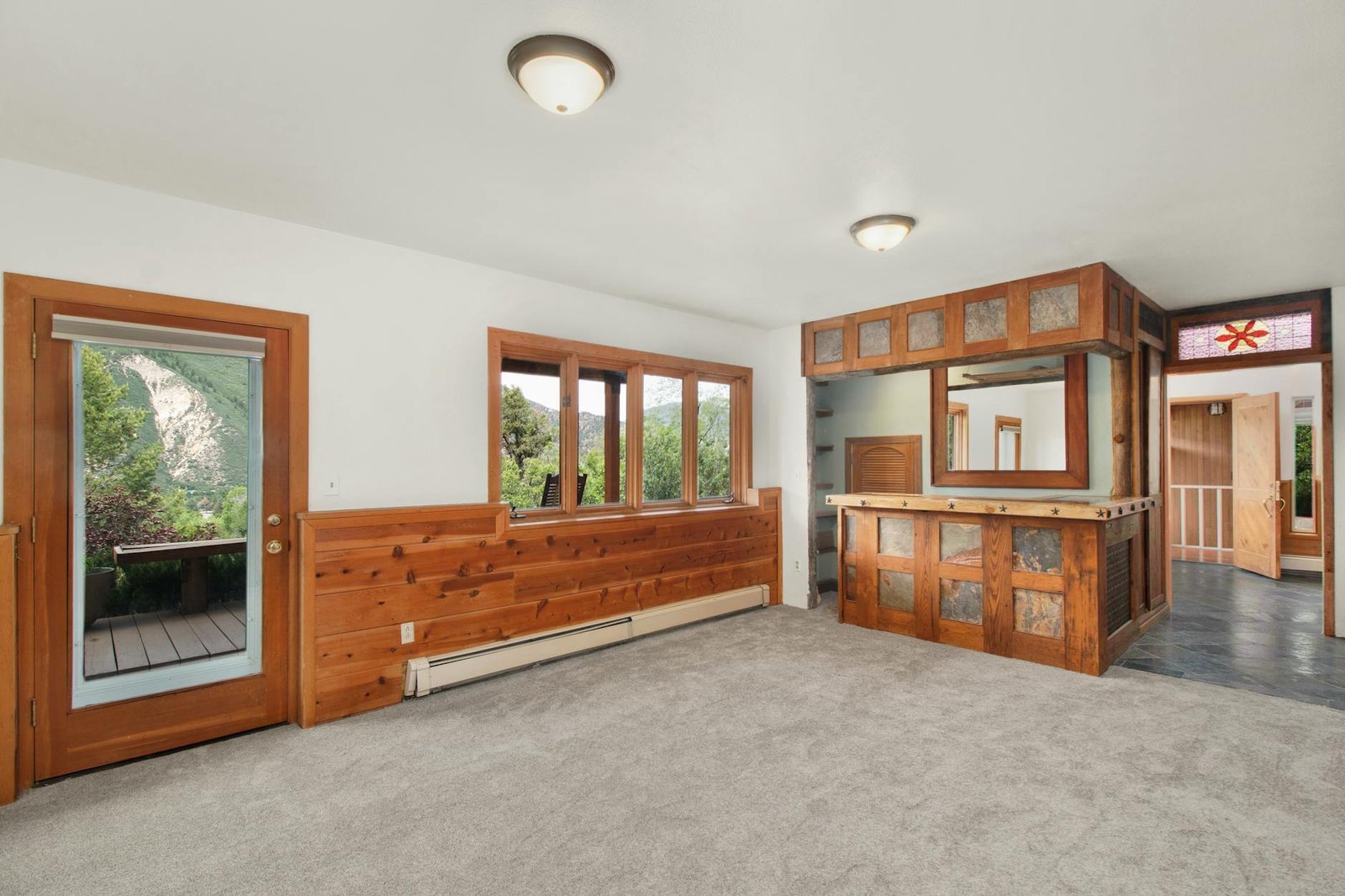

  • Investing in Multi-Family Properties in Land O’ Lakes, Florida: A Lucrative Opportunity

    Investing in Multi-Family Properties in Land O’ Lakes, Florida: A Lucrative Opportunity

    Introduction

    Investing in real estate can be a lucrative venture, especially when it comes to multi-family properties. Land O’ Lakes, Florida, with its growing population and thriving real estate market, presents an excellent opportunity for investors seeking multi-family investment properties. This article will provide a comprehensive guide on how to find and evaluate multi-family investment properties in Land O’ Lakes, Florida.

    1. Understanding the Market in Land O’ Lakes, Florida

    Land O’ Lakes, located in Pasco County, Florida, is a vibrant and rapidly developing community. Before diving into the search for multi-family investment properties, it’s crucial to understand the local real estate market. Familiarize yourself with key market indicators such as property prices, rental rates, vacancy rates, and population growth trends. This information will help you make informed decisions throughout your search.

    2. Engage a Local Real Estate Agent

    Working with a knowledgeable real estate agent who specializes in multi-family properties in Land O’ Lakes is highly recommended. A local agent will have valuable insights into the market and can assist you in finding suitable investment opportunities. They can provide access to the Multiple Listing Service (MLS), which lists available properties, and guide you through the negotiation and purchase process.

    3. Online Listing Platforms

    Utilize online listing platforms to search for multi-family investment properties in Land O’ Lakes. Websites such as Zillow, Realtor.com, and LoopNet offer comprehensive listings with detailed property descriptions, photographs, and virtual tours. Filter your search based on criteria such as property type, price range, and number of units to narrow down your options.

    4. Network with Local Investors and Professionals

    Building a network of local investors and professionals in the real estate industry can be invaluable. Attend local real estate networking events, join investment groups, and engage with professionals like property managers, contractors, and lenders. These connections can provide valuable leads on multi-family investment properties that may not be publicly listed.

    5. Drive Through Target Neighborhoods

    Exploring target neighborhoods in Land O’ Lakes can uncover hidden gems. Drive through residential areas and look for properties that show signs of being multi-family dwellings. Look for features like separate entrances, multiple mailboxes, or shared parking areas. Note down the addresses and conduct further research to determine if they are viable investment opportunities.

    6. Work with a Property Management Company

    Consider partnering with a reputable property management company in Land O’ Lakes. They can help you streamline the day-to-day operations of your multi-family investment property, including tenant screening, rent collection, and property maintenance. Having a professional management team in place can alleviate the stress of managing the property yourself and ensure its long-term profitability.

    7. Conduct Thorough Due Diligence

    Once you identify potential multi-family investment properties, conduct thorough due diligence before making an offer. This includes evaluating the property’s condition, rental income potential, expenses, and any legal or zoning considerations. Engage professionals such as home inspectors and real estate attorneys to ensure you have a comprehensive understanding of the property’s viability.

    Conclusion

    Finding a multi-family investment property in Land O’ Lakes, Florida, requires a combination of market knowledge, networking, and diligent research. By understanding the local market, engaging professionals, and utilizing various resources, you can uncover lucrative investment opportunities. Remember to conduct thorough due diligence and work with trusted advisors to maximize your chances of success in this thriving real estate market.

    FAQs

    1. Are multi-family investment properties in Land O’ Lakes, Florida, in high demand?

    Yes, Land O’ Lakes is experiencing significant population growth, leading to increased demand for rental properties, including multi-family units. This demand makes it an attractive market for investors seeking long-term returns.

    2. What is the average vacancy rate for multi-family properties in Land O’ Lakes?

    As of the latest data, the average vacancy rate for multi-family properties in Land O’ Lakes, Florida, is approximately 5%. However, this rate may vary depending on the specific location and property type.

    3. How can I finance the purchase of a multi-family investment property in Land O’ Lakes?

    There are various financing options available for multi-family investment properties, including traditional mortgages, commercial loans, and private financing. Consult with lenders specializing in investment properties to explore the most suitable financing option for your needs.

    Remember, investing in real estate involves risks, and it’s essential to consult with professionals and conduct thorough research before making any investment decisions.

  • How to Streamline the Tenant Turnover Process and Save Time | Expert Tips

    How to Streamline the Tenant Turnover Process and Save Time | Expert Tips

    As a property manager, one of your primary goals is to ensure that your rental properties have as little downtime as possible between tenants. However, the process of turning over a property from one tenant to the next can be time-consuming and cumbersome. Fortunately, there are several strategies you can use to streamline the tenant turnover process and save time. In this article, we will discuss some of the best practices for reducing downtime and improving your property’s profitability.

    Understanding the Tenant Turnover Process

    Before we dive into the strategies, it’s essential to understand what the tenant turnover process involves. Typically, the tenant turnover process begins with the current tenant giving notice that they plan to vacate the property. Once you receive notice, you’ll need to begin preparing the unit for the next tenant. This process can include several steps, such as:

    • Scheduling a move-out inspection
    • Completing necessary repairs and cleaning
    • Advertising the unit
    • Screening prospective tenants
    • Completing the move-in inspection

    All of these steps take time and can be challenging to manage, especially if you’re managing multiple properties.

    Streamlining the Tenant Turnover Process

    Here are some of the strategies you can use to streamline the tenant turnover process and save time:

    1. Create a Turnover Checklist

    One of the most effective ways to streamline the tenant turnover process is by creating a detailed checklist that outlines each step of the process. Having a checklist will ensure that you don’t miss any essential tasks, and it will help you stay organized and efficient. Your turnover checklist should include all the necessary repairs and cleaning that need to be done, as well as a timeline for completing each task.

    2. Schedule Move-In and Move-Out Inspections

    Scheduling move-in and move-out inspections is critical for ensuring that your properties are well-maintained and that tenants are held responsible for any damage they cause. By completing these inspections promptly, you’ll be able to identify any necessary repairs and cleaning quickly. Scheduling inspections in advance will also give you time to complete any necessary repairs before the next tenant moves in.

    3. Develop a Marketing Strategy

    To minimize the downtime between tenants, you’ll need to have a marketing strategy in place to advertise your available units. This strategy should include listing your properties on popular rental websites and social media platforms, as well as reaching out to your existing tenant network. By using a combination of marketing tactics, you’ll increase the visibility of your available units and attract more potential tenants.

    4. Use Technology to Manage Your Properties

    In today’s digital age, there are many software and technology solutions that can help you manage your properties more efficiently. For example, property management software can automate many of the repetitive tasks involved in tenant turnover, such as scheduling move-in and move-out inspections and managing rent payments. By using technology, you’ll save time and reduce the likelihood of errors or oversights.

    5. Work with a Professional Property Management Company

    If you’re struggling to manage the tenant turnover process on your own, consider working with a professional property management company. These companies have the expertise and resources to handle all aspects of the tenant turnover process, from advertising and screening tenants to completing necessary repairs and cleaning. By working with a professional, you’ll save time and minimize downtime between tenants.

    Conclusion

    Streamlining the tenant turnover process is critical for reducing downtime and maximizing the profitability of your rental properties.

  • How to Accurately Determine Expenses on a Rental Property

    How to Accurately Determine Expenses on a Rental Property

    Introduction

    Investing in rental properties can be a profitable venture, but it’s essential to understand the associated costs to avoid any surprises down the road. Accurately determining expenses on a rental property requires careful planning and an understanding of the various factors involved. So how do you accurately determine expenses on a rental property? Here is what to do.

    Property Expenses

    When calculating the expenses associated with a rental property, it’s important to consider both fixed and variable expenses. Fixed expenses are those that remain constant regardless of occupancy, while variable expenses fluctuate based on the number of tenants.

    Fixed Expenses

    • Mortgage payments: One of the most significant fixed expenses is the mortgage payment, which includes the principal and interest on the loan.
    • Property taxes: Property taxes are another fixed expense that can vary depending on the location of the property.
    • Insurance: Insurance is essential for protecting your investment and is required by most lenders.
    • Property management fees: If you choose to hire a property management company, their fees will be a fixed expense.
    • Homeowner association fees: If the property is part of a homeowner association, there will be monthly or annual fees associated with it.

    Variable Expenses

    • Utilities: Utilities such as water, gas, electricity, and internet may be the responsibility of the landlord or tenant, depending on the rental agreement.
    • Repairs and maintenance: Repairs and maintenance are necessary for keeping the property in good condition and may vary depending on the age and condition of the property.
    • Vacancy costs: Vacancy costs include advertising the property, conducting tenant screenings, and preparing the property for new tenants.
    • Capital expenditures: Capital expenditures refer to significant investments in the property, such as replacing a roof or upgrading the HVAC system.

    Recent Data

    Here is some recent data that may be helpful in calculating the expenses for your rental property:

    • The average mortgage rate in the United States is currently 4.87%.
    • The average property tax rate in the United States is 1.1%.
    • The average cost of homeowners insurance in the United States is $1,249 per year.
    • The average cost of property management fees in the United States is 10% of the monthly rent.
    • The average cost of HOA fees in the United States is $200 per month.
    • The average cost of utilities in the United States is $150 per month.
    • The average cost of repairs and maintenance in the United States is $1,000 per year.
    • The average vacancy rate in the United States is 6%.
    • The average cost of a new roof in the United States is $10,000.
    • The average cost of a new HVAC system in the United States is $8,000.

    Analyzing the Data

    Once you’ve identified all the expenses associated with your rental property, it’s essential to analyze the data to determine your cash flow and profitability. One of the most effective ways to do this is by calculating the property’s net operating income (NOI).

    Calculating Net Operating Income (NOI)

    NOI is calculated by subtracting the operating expenses from the total income generated by the property. The formula for calculating NOI is:

    NOI = Total Income – Operating Expenses

    By calculating the NOI, you can determine whether your rental property is generating positive cash flow or if adjustments need to be made to reduce expenses.

    Conclusion

    Accurately determining expenses on a rental property is crucial for maximizing your returns and making informed decisions. By understanding the fixed and variable expenses associated with a rental property, analyzing the data, and calculating the NOI, you can stay ahead of the competition and ensure your investment is profitable.

    We hope this guide has been helpful, and please don’t hesitate to reach out to us with any questions or concerns. Remember, investing in rental properties can be a lucrative venture, but it requires careful planning and an understanding of the associated costs.

  • The Top Neighborhoods for Rental Properties in Lutz

    The Top Neighborhoods for Rental Properties in Lutz

    Are you looking to invest in a rental property in Lutz? The neighborhood you choose can make a significant impact on the success of your investment. In this article, we will explore the top neighborhoods for rental properties in Lutz. We will discuss the key features, benefits, and drawbacks of each neighborhood to help you make an informed decision.

    Introduction to Lutz

    Lutz is a charming suburb located in Hillsborough County, Florida. The area is known for its scenic landscapes, family-friendly environment, and excellent schools. Lutz is an ideal location for families, retirees, and young professionals seeking a quiet and peaceful lifestyle with easy access to big-city amenities.

    Top Neighborhoods for Rental Properties in Lutz

    1. Cheval

    Cheval is a gated community located in the heart of Lutz. The neighborhood is known for its luxurious homes, excellent schools, and upscale amenities. Cheval offers a variety of rental properties, including townhouses, villas, and single-family homes. The community features a golf course, tennis courts, swimming pools, and a clubhouse. Cheval is an ideal location for families and retirees seeking a safe and luxurious lifestyle.

    2. Heritage Harbor

    Heritage Harbor is a master-planned community located in Lutz. The neighborhood is known for its excellent schools, family-friendly environment, and affordable rental properties. Heritage Harbor offers a variety of rental properties, including single-family homes, townhouses, and condos. The community features a golf course, tennis courts, swimming pools, and a clubhouse. Heritage Harbor is an ideal location for families and young professionals seeking a quiet and affordable lifestyle.

    3. Avendale

    Avendale is a new community located in Lutz. The neighborhood is known for its modern homes, excellent schools, and family-friendly environment. Avendale offers a variety of rental properties, including single-family homes and townhouses. The community features a clubhouse, swimming pool, and playgrounds. Avendale is an ideal location for families and young professionals seeking a modern and comfortable lifestyle.

    4. Willow Bend

    Willow Bend is a family-friendly community located in Lutz. The neighborhood is known for its affordable rental properties, excellent schools, and peaceful environment. Willow Bend offers a variety of rental properties, including single-family homes and townhouses. The community features a clubhouse, swimming pool, and playgrounds. Willow Bend is an ideal location for families seeking a quiet and affordable lifestyle.

    5. VillaRosa

    VillaRosa is a gated community located in Lutz. The neighborhood is known for its luxurious homes, excellent schools, and upscale amenities. VillaRosa offers a variety of rental properties, including townhouses and single-family homes. The community features a swimming pool, tennis courts, and a clubhouse. VillaRosa is an ideal location for families and retirees seeking a safe and luxurious lifestyle.

    6. The Manors at Crystal Lakes

    The Manors at Crystal Lakes is a gated community located in Lutz. The neighborhood is known for its luxurious homes, excellent schools, and upscale amenities. The Manors at Crystal Lakes offers a variety of rental properties, including townhouses and single-family homes. The community features a swimming pool, tennis courts, and a clubhouse. The Manors at Crystal Lakes is an ideal location for families and retirees seeking a safe and luxurious lifestyle.

    7. Reflections

    Reflections is a family-friendly community located in Lutz. The neighborhood is known for its affordable rental properties, excellent schools, and peaceful environment. Reflections offers a variety of rental properties, including single-family homes and townhouses. The community features a clubhouse, swimming pool, and playgrounds. Reflections is an ideal location for families seeking an active outdoor lifestyle.

    8. Lakeshore Preserve

    Lakeshore Preserve is a new community located in Lutz. The neighborhood is known for its modern homes, excellent schools, and family-friendly environment. Lakeshore Preserve offers a variety of rental properties, including single-family homes and townhouses. The community features a clubhouse, swimming pool, and playgrounds. Lakeshore Preserve is an ideal location for families and young professionals seeking a modern and comfortable lifestyle.

    9. Crenshaw Reserve

    Crenshaw Reserve is a gated community located in Lutz. The neighborhood is known for its luxurious homes, excellent schools, and upscale amenities. Crenshaw Reserve offers a variety of rental properties, including townhouses and single-family homes. The community features a swimming pool, tennis courts, and a clubhouse. Crenshaw Reserve is an ideal location for families and retirees seeking a safe and luxurious lifestyle.

    10. Oak Grove

    Oak Grove is a family-friendly community located in Lutz. The neighborhood is known for its affordable rental properties, excellent schools, and peaceful environment. Oak Grove offers a variety of rental properties, including single-family homes and townhouses. The community features a clubhouse, swimming pool, and playgrounds. Oak Grove is an ideal location for families seeking a quiet and affordable lifestyle.

    How to Choose the Right Neighborhood for Your Rental Property?

    Choosing the right neighborhood for your rental property can be a challenging task. Here are some factors you should consider when selecting a neighborhood:

    • Rental demand: Choose a neighborhood with high rental demand to ensure a steady flow of income.
    • Property value: Choose a neighborhood with affordable properties that have the potential to increase in value over time.
    • Location: Choose a neighborhood that is conveniently located near schools, shopping centers, and major highways.
    • Crime rate: Choose a neighborhood with a low crime rate to ensure the safety of your tenants and your property.
    • Amenities: Choose a neighborhood that offers a variety of amenities, such as parks, swimming pools, and playgrounds.

    Conclusion

    Lutz offers a variety of neighborhoods with rental properties that cater to different lifestyles and budgets. Whether you are looking for a luxurious lifestyle or a quiet and affordable one, Lutz has something to offer. When choosing a neighborhood for your rental property, consider factors such as rental demand, property value, location, crime rate, and amenities to make an informed decision.

    FAQs

    1. What is the average rent for a single-family home in Lutz?

    The average rent for a single-family home in Lutz is around $2,000 per month.

    1. Are there any pet-friendly rental properties in Lutz?

    Yes, many rental properties in Lutz are pet-friendly. However, some properties may have restrictions on the size and breed of pets.

    1. Can I find rental properties with a swimming pool in Lutz?

    Yes, many neighborhoods in Lutz offer rental properties with swimming pools.

    1. What is the crime rate in Lutz?

    Lutz has a relatively low crime rate compared to other cities in Florida.

    1. Are rental properties in Lutz in high demand?

    Yes, rental properties in Lutz are in high demand due to the area’s excellent schools, family-friendly environment, and convenient location.

  • The Cost of Property Management in 34638

    The Cost of Property Management in 34638

    If you’re a property owner in the 34638 area, you might be wondering what the cost of property management is. Property management is a vital part of owning a rental property, as it involves handling everything from tenant screening to maintenance requests. However, it’s important to know what the cost of property management is so that you can factor it into your budget. In this article, we’ll explore the cost of property management in 34638, including what factors affect the cost, and how to choose the right property management company.

    Understanding Property Management Costs

    When it comes to property management costs, there are a few different factors that come into play. The cost of property management is typically a percentage of the monthly rent, and can range anywhere from 4% to 12%. The exact percentage will depend on a number of different factors, including the type of property, the number of units, and the location.

    Factors That Affect Property Management Costs

    Type of Property

    The type of property you own can have a big impact on the cost of property management. For example, if you own a single-family home, you may pay less for property management than if you own a large apartment complex. This is because managing a larger property with more units requires more time and resources.

    Number of Units

    The number of units in your property is another factor that can affect the cost of property management. Generally, the more units you have, the more you can expect to pay for property management. This is because more units mean more tenants, which can mean more maintenance requests and more time spent managing the property.

    Location

    The location of your property can also play a role in the cost of property management. If your property is located in a high-demand area with high property values, you may pay more for property management than if your property is located in a less desirable area.

    Additional Costs

    In addition to the monthly percentage fee, there may be additional costs associated with property management. Some property management companies charge a setup fee, which covers the cost of getting your property set up in their system. There may also be fees for things like maintenance and repairs, tenant screening, and advertising.

    How to Choose a Property Management Company

    Choosing the right property management company is important, as it can have a big impact on the success of your rental property. Here are a few tips to help you choose the right property management company for your needs:

    Look for Experience

    When choosing a property management company, it’s important to look for one with experience. A company that has been in business for several years will have a better understanding of the local market, and will be better equipped to handle any issues that arise.

    Read Reviews

    Reading reviews from other property owners can be a great way to get a sense of what to expect from a property management company. Look for reviews on websites like Google, Yelp, and Facebook, and pay attention to what people are saying about their experience working with the company.

    Ask for References

    Before hiring a property management company, ask for references from other property owners they have worked with. Contact these references and ask about their experience working with the company, and whether they would recommend them to others.

    Compare Fees

    When comparing property management companies, be sure to compare their fees and services. Look for a company that offers a fair price for their services, and that includes all the services you need for your rental property.

    Conclusion

    The cost of property management in 34638 can vary depending on a number of different factors, including the type of property, the number of units, and the location. When choosing a property management company, it’s important to look for experience, read reviews, ask for references, and compare fees and services to find the right fit for your needs. While the cost of property management may seem like an added expense, it can actually save you time and money in the long run by ensuring that your property is well-maintained and managed effectively.

    FAQs

    1. What services are typically included in property management fees?
    • Property management fees typically include tenant screening, rent collection, maintenance and repairs, and handling any issues that arise with tenants.
    1. How much should I expect to pay for property management?
    • The cost of property management can vary depending on the factors mentioned in this article, but generally ranges from 4% to 12% of the monthly rent.
    1. Are there any additional costs associated with property management?
    • Yes, there may be additional costs such as setup fees, maintenance and repair fees, and advertising fees.
    1. Can I manage my rental property myself to save money?
    • While it is possible to manage your rental property yourself, it can be time-consuming and may not be worth the cost savings in the long run. Property management companies have the experience and resources to effectively manage your property and ensure its success.
    1. How do I choose the right property management company?
    • Look for a company with experience, read reviews from other property owners, ask for references, and compare fees and services to find the right fit for your needs.