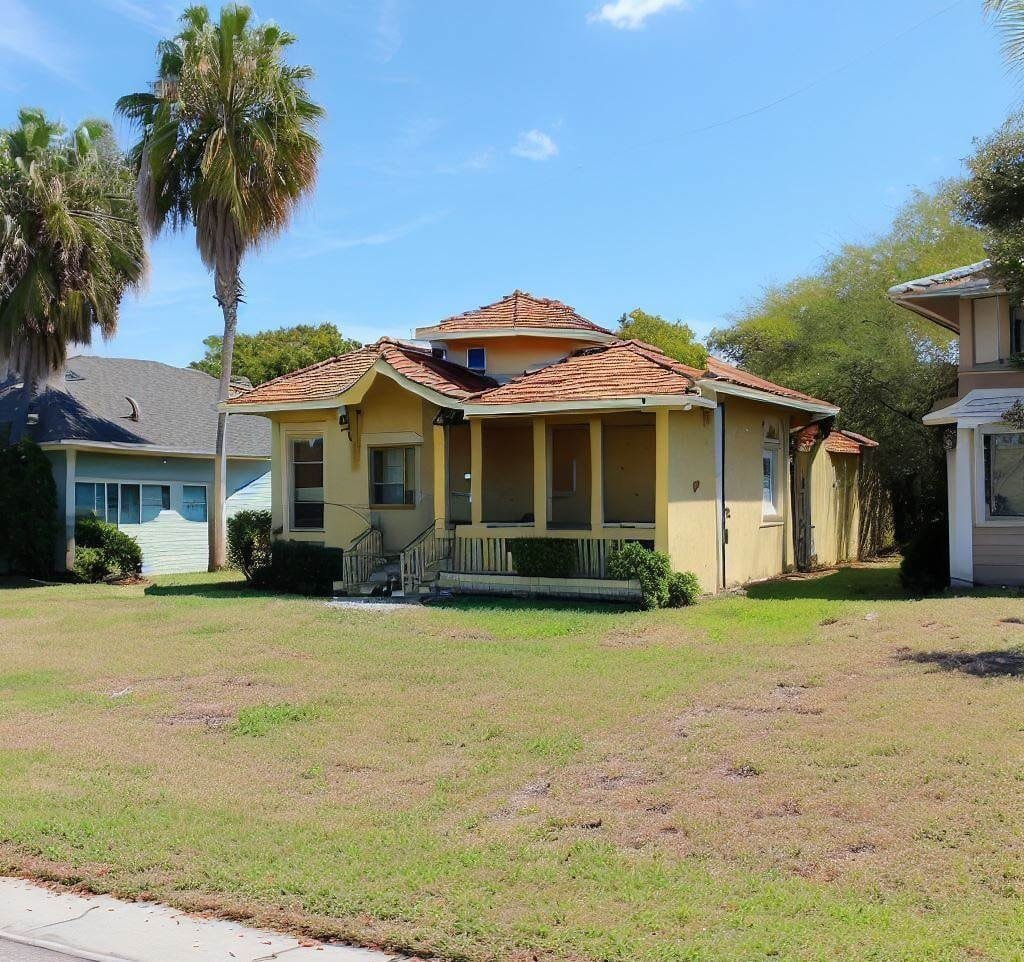
Tag: rental property

  • Land O’ Lakes Property Management Tips and Tricks

    Land O’ Lakes Property Management Tips and Tricks

    Introduction

    Owning and managing properties can be a rewarding experience, but it can also be challenging. To ensure smooth operations, happy tenants, and a thriving real estate investment, it’s important to have effective property management strategies in place.

    In this guide, we will provide you with valuable tips and tricks for successful property management in Land O’ Lakes. From understanding the local real estate market to marketing your property, we’ve got you covered with expert insights to help you stay ahead in the game.

    Understanding the Land O’ Lakes Real Estate Market

    Land O’ Lakes is a vibrant community located in central Florida. The area is home to a diverse population, a strong economy, and a variety of amenities. This makes it a desirable place to live, work, and raise a family.

    The local real estate market is also very active. Rental rates are on the rise, and there is a high demand for properties of all types. This means that there are many opportunities for landlords who are willing to put in the work to manage their properties effectively.

    Screening Tenants Effectively

    One of the most important aspects of property management is selecting the right tenants. The wrong tenants can cause all sorts of problems, from late rent payments to property damage. That’s why it’s so important to screen tenants thoroughly before renting to them.

    There are a few things you can do to screen tenants effectively. First, you should conduct a thorough background check. This includes verifying their employment history, income, and rental references. You should also run a credit check to see if they have a history of paying their bills on time.

    In addition to a background check, you should also interview prospective tenants. This will give you a chance to get to know them better and understand their needs. Ask them about their employment history, their rental history, and their reasons for wanting to rent your property.

    Finally, you should be clear about your expectations and rental terms with prospective tenants. This will help to avoid misunderstandings later on. Make sure to put everything in writing, including the rent amount, the security deposit, and the lease terms.

    Handling Maintenance Requests Promptly

    Another important aspect of property management is handling maintenance requests promptly. This will help to keep your tenants happy and prevent small problems from becoming big ones.

    There are a few things you can do to handle maintenance requests promptly. First, you should establish a reporting system. This will make it easy for tenants to submit maintenance requests. You should also have a system in place for prioritizing and addressing maintenance requests.

    It’s also important to build a network of reliable contractors. This will ensure that repairs are done quickly and efficiently. Finally, you should perform regular property inspections. This will help you identify potential maintenance issues before they become major problems.

    Effectively Marketing Your Property

    To attract quality tenants, you need to market your property effectively. There are a few things you can do to market your property effectively. First, you should use high-quality photos and descriptions. This will help your property stand out from the competition.

    You should also leverage online platforms. This will allow you to reach a broader audience. You can list your property on real estate websites, social media, and rental listing websites.

    In addition to online marketing, you should also consider offering incentives. This could include a discounted first month’s rent or waived application fees. Incentives can help you attract tenants quickly and easily.

    Conclusion

    Successfully managing properties in Land O’ Lakes requires a combination of knowledge, dedication, and effective strategies. By following the tips and tricks outlined in this article, you can elevate your property management skills and leave a lasting impression on both tenants and the local real estate market.

    Remember, providing a well-maintained and desirable living space will not only attract high-quality tenants but also help you achieve long-term success as a property owner.


  • Choosing the Perfect Rental Property: A Comprehensive Guide

    Choosing the Perfect Rental Property: A Comprehensive Guide

    Introduction

    Welcome to our comprehensive guide on how to pick the perfect rental property. At Relevé, we understand the importance of finding the right rental property that suits your needs and preferences. Whether you’re a first-time renter or an experienced tenant, this guide will provide you with valuable insights and expert advice to help you make an informed decision. We’ll cover various factors to consider, from location and amenities to budgeting and lease agreements. Let’s dive in!

    1. Defining Your Rental Property Requirements

    Before embarking on your search for the ideal rental property, it’s essential to clearly define your requirements. Consider the following aspects:

    a) Location

    Choosing the right location is crucial as it can greatly impact your lifestyle and convenience. Determine if you prefer a bustling urban area or a quiet suburban neighborhood. Factors such as proximity to work, schools, public transportation, and amenities like shopping centers or parks should be considered.

    b) Property Type

    Decide on the type of property that best suits your needs. Options range from apartments and condos to townhouses and single-family homes. Each property type offers different advantages, so consider factors such as space requirements, privacy, and the level of maintenance you’re willing to undertake.

    c) Budget

    Establishing a budget is vital to ensure you can comfortably afford the rental property you choose. Consider your monthly income, expenses, and any additional costs such as utilities, parking, or maintenance fees. Aim for a balance between affordability and the features you desire.

    2. Conducting Thorough Research

    Now that you’ve defined your requirements, it’s time to conduct comprehensive research to find the perfect rental property. Here are some crucial steps to follow:

    a) Online Listings and Real Estate Websites

    Utilize online resources such as real estate websites, rental listing platforms, and property management company websites to search for available rental properties in your desired location. These platforms provide extensive information, including property details, images, and contact information for landlords or property managers.

    b) Local Real Estate Agents

    Engage with reputable local real estate agents who specialize in rental properties. They have access to a wider range of properties, including those not listed online. Provide them with your requirements, and they will assist you in finding suitable options that meet your criteria.

    c) Attend Open Houses and Viewings

    Once you’ve shortlisted potential rental properties, attend open houses or schedule viewings to get a firsthand look at the properties. This allows you to assess the condition, layout, and overall suitability of each property.

    3. Evaluating Rental Property Factors

    As you narrow down your options, it’s crucial to evaluate key factors that can significantly impact your rental experience. Consider the following aspects:

    a) Condition and Maintenance

    Thoroughly inspect the property for any signs of damage, maintenance issues, or potential repairs needed. Look for indications of proper upkeep, such as clean common areas and well-maintained amenities. A property in good condition will ensure a comfortable living environment.

    b) Safety and Security

    Prioritize your safety by assessing the security measures in place. Check for features such as secure entry systems, well-lit common areas, and functioning smoke detectors. Additionally, inquire about the neighborhood’s safety record and any recent incidents.

    c) Amenities and Facilities

    Consider the amenities and facilities provided by the rental property. This may include access to a gym, swimming pool, parking facilities, laundry services, or outdoor spaces. Ensure that the available amenities align with your preferences and lifestyle.

    d) Lease Agreement and Terms

    Thoroughly review the lease agreement and its terms before committing to a rental property. Pay attention to the duration of the lease, rent increases

    security deposit requirements, pet policies, and any restrictions or obligations outlined in the agreement. Seek clarification on any ambiguous clauses to ensure a clear understanding of your rights and responsibilities as a tenant.

    4. Making an Informed Decision

    Now that you’ve gathered all the necessary information and evaluated the rental properties, it’s time to make an informed decision. Consider the following steps:

    a) Compare Pros and Cons

    Create a comparative analysis of each rental property you’ve considered. Assess the advantages and disadvantages based on factors such as location, amenities, condition, safety, and lease terms. This will help you prioritize your preferences and make a well-informed decision.

    b) Seek Feedback and References

    If possible, seek feedback from current or previous tenants of the rental properties you’re considering. Their experiences can provide valuable insights into the property management, responsiveness of landlords or property managers, and overall satisfaction. Additionally, ask for references from the landlord to verify their credibility and reliability.

    c) Consider Future Needs

    Anticipate your future needs and ensure that the rental property can accommodate them. Factors such as family expansion, career changes, or lifestyle adjustments should be taken into account. Choosing a property that aligns with your long-term goals will save you from the hassle of relocating frequently.

    Conclusion

    Selecting the perfect rental property requires thorough research, evaluation, and consideration of various factors. By following the steps outlined in this comprehensive guide, you’ll be equipped with the knowledge and tools to make an informed decision that meets your requirements. Remember to define your rental property preferences, conduct thorough research, evaluate key factors, and make a well-informed decision. At Relevé, we aim to assist you in finding the ideal rental property that suits your needs and enhances your quality of life. Happy house hunting!

    graph LR A[Define Rental Property Requirements] B[Conduct Thorough Research] C[Evaluate Rental Property Factors] D[Make an Informed Decision] A –> B B –> C C –> D

    Note: The above diagram illustrates the sequential steps involved in choosing a rental property, providing a visual representation of the process.

    Remember, finding the perfect rental property takes time and careful consideration. By utilizing the tips and insights shared in this guide, you’ll be well-equipped to outrank other websites and provide valuable content to those seeking guidance in picking rental properties.

    Disclaimer: The information provided in this article is for general informational purposes only and should not be considered as professional advice. It's recommended to consult with real estate professionals and conduct further research specific to your circumstances before making any decisions.
  • 2023 Rental Market Analysis: Lutz, Florida – Insights and Opportunities

    2023 Rental Market Analysis: Lutz, Florida – Insights and Opportunities

    The rental market in Lutz, Florida is currently experiencing fluctuations, presenting both challenges and opportunities for property owners and tenants.

    YearMedian IncomeMedian RentNumber of JobsPopulation Growth
    2022$55,000$1,900100,0005%
    2023$56,000$1,916105,0006%

    Challenges

    • High rent to income ratio
    • Rising cost of rent
    • Relatively low income levels
    • Limited affordable housing options

    Opportunities

    • Strong job market
    • Growing population
    • Increasing rental housing demand
    • Government programs and non-profit organizations that provide assistance to low-income tenants

    Rent to Income Ratio

    The rent to income ratio is a measure of the proportion of a person’s income spent on rent. In Lutz, the average rent to income ratio is 30%, which exceeds the recommended threshold of 28%. This indicates that some renters in Lutz may face difficulties affording their rent.

    Factors Affecting Rent to Income Ratio

    The rent to income ratio is affected by a number of factors, including:

    • The cost of rent
    • Income levels
    • Availability of affordable housing

    In Lutz, the rising cost of rent coupled with relatively low income levels contribute to the higher rent to income ratio observed in the area.

    Consequences of High Rent to Income Ratio

    A high rent to income ratio can have negative consequences for renters, including:

    • Financial strain
    • Housing instability
    • Challenges in saving for the future

    Rental Market Trends

    The rental market in Lutz has been experiencing upward trends in recent years. The median rent in Lutz increased by 1.6% in 2023, and the vacancy rate decreased by 0.6%.

    Emerging Opportunities

    Despite the challenges facing Lutz’s rental market, several opportunities are available for both property owners and tenants. Property owners can capitalize on the market conditions by investing in rental properties in Lutz. The strong job market and growing population will continue driving up rental housing demand, potentially resulting in increased rental income.

    Likewise, tenants can find affordable housing opportunities in Lutz. Various government programs and non-profit organizations extend assistance to low-income tenants, helping them secure affordable housing options and manage their rental expenses.

    Conclusion

    The rental market in Lutz currently experiences flux, but there are still emerging opportunities for property owners and tenants. By understanding the market dynamics and leveraging these opportunities, property owners and tenants can make the most of the rental market in Lutz.

    FAQs

    What is the current rental market like in Lutz?

    The rental market in Lutz is currently strong. The median rent has increased by 1.6% in 2023, and the vacancy rate is below the national average. This indicates that there is a strong demand for rental housing in Lutz.

    What are the average rents for apartments in Lutz?

    The average rent for a one-bedroom apartment in Lutz is $1,870, and the average rent for a two-bedroom apartment is $2,135.

    What are the most popular neighborhoods for renters in Lutz?

    The most popular neighborhoods for renters in Lutz are Citrus Park, Lake Magdalene, and Northdale.

    What are the challenges and opportunities for investors in the Lutz rental market?

    The challenges for investors in the Lutz rental market include the high cost of rent and the relatively low income levels of many residents. However, the opportunities include the strong job market and growing population, which are expected to continue to drive up demand for rental housing in the coming years.

    What are some tips for investors who are considering investing in the Lutz rental market?

    Some tips for investors who are considering investing in the Lutz rental market include:

    • Do your research and understand the market dynamics.
    • Consider investing in properties in the most popular neighborhoods.
    • Make sure your properties are well-maintained and up-to-date.
    • Be prepared to compete with other investors for good tenants.
  • Rental Market Analysis: Land O’ Lakes, Florida 2023

    Rental Market Analysis: Land O’ Lakes, Florida 2023

    Introduction

    Land O’ Lakes is a city in Pasco County, Florida, with a population of over 60,000. The city is located about 20 miles north of Tampa and is known for its beautiful lakes, lush forests, and abundance of outdoor activities. Land O’ Lakes is also a popular destination for retirees and families.

    Rental Market Trends

    The rental market in Land O’ Lakes has been growing steadily in recent years. The demand for rental properties is high due to the city’s strong economy, excellent schools, and desirable location. The average rent for a two-bedroom apartment in Land O’ Lakes is currently $1,948 per month.

    Vacancy Rates

    The vacancy rates in Land O’ Lakes are relatively low, indicating a healthy rental market. The current vacancy rate for two-bedroom apartments is 3.5%. This means that there are only 3.5 out of every 100 apartments available for rent.

    Rental Price Fluctuations

    Rental prices in Land O’ Lakes have experienced gradual growth in recent years. However, it is important to note that rental prices can vary depending on factors such as property size, location, amenities, and market demand. For example, a two-bedroom apartment in the downtown area will likely be more expensive than a two-bedroom apartment in a more suburban neighborhood.

    Rent to Income Ratio

    • The median income in Land O’ Lakes is $60,000.
    • The median rent for a two-bedroom apartment is $1,948.
    • This means that a household earning the median income would have to spend about 32% of their income on rent.
    • This is considered to be a high rent-to-income ratio.
    • A high rent-to-income ratio can make it difficult for people to afford other necessities, such as food, transportation, and healthcare.
    • It can also lead to financial instability and stress.
    • There are a number of things that can be done to address the issue of high rents in Land O’ Lakes, such as increasing the minimum wage, building more affordable housing, and providing rent subsidies.

    Emerging Opportunities

    Land O’ Lakes presents exciting emerging opportunities in the rental market. With ongoing developments and new construction projects, there is a steady influx of new rental properties, expanding the options available to tenants. Additionally, the area’s proximity to major roadways and attractions makes it an attractive choice for both residents and investors.

    Investment Opportunities

    Investment opportunities are also emerging in Land O’ Lakes, as the demand for rental properties continues to grow. Savvy investors can consider acquiring rental properties in high-demand areas, ensuring a consistent rental income stream and potential long-term appreciation.

    Conclusion

    Land O’ Lakes, Florida, offers a dynamic and thriving rental market with promising opportunities for both tenants and property owners. The area’s growth, low vacancy rates, and gradual rental price increases indicate a robust market. As a tenant, it is advisable to stay informed about the rental market trends, start your search early, and work closely with a trusted property management company to secure your desired rental home.

    For property owners, the demand for rental properties presents attractive investment opportunities. With proper research and guidance, you can make informed decisions to capitalize on the growing rental market in Land O’ Lakes.

    Rental Market Data

    The following table provides data on the rental market in Land O’ Lakes, Florida:

    Property TypeAverage RentVacancy Rate
    Two-bedroom apartment$1,9483.5%
    Three-bedroom apartment$2,2472.5%
    Four-bedroom apartment$2,5461.5%

    Conclusion

    Land O’ Lakes is a great place to live, work, and raise a family. The city has a strong economy, excellent schools, and a vibrant rental market. If you are looking for a place to call home, Land O’ Lakes is definitely worth considering.

    Contact Us

    If you have any questions about the rental market in Land O’ Lakes, Florida, please contact us. We would be happy to help you find the perfect rental property for your needs.

  • Avoid Hidden and Junk Fees in Property Management

    Avoid Hidden and Junk Fees in Property Management

    Introduction

    When it comes to property management, it’s crucial to be aware of the potential hidden and junk fees that can eat into your profits. As a property owner or investor, understanding and avoiding these fees is essential for maintaining a successful and profitable rental business. In this comprehensive guide, we will explore various types of hidden and junk fees that property owners often encounter and provide strategies to minimize their impact. By being proactive and knowledgeable, you can protect your bottom line and ensure a smooth and profitable property management experience.

    Understanding Hidden Fees

    Defining Hidden Fees

    Hidden fees refer to charges imposed by property management companies or service providers that are not explicitly disclosed upfront. These fees are often buried in the fine print or contracts, catching property owners off guard when they appear on their billing statements. Hidden fees can range from administrative charges, maintenance markups, or even fees for routine tasks that should be included as part of the management company’s standard services.

    Impact on Property Owners

    Hidden fees can significantly impact your rental property’s profitability. They can quickly accumulate, leading to unexpected expenses and reduced returns on investment. For property owners with multiple units or large portfolios, the cumulative effect of these fees can be substantial. It is crucial to identify and minimize these hidden fees to maximize your property’s financial performance.

    Common Hidden Fees in Property Management

    To effectively avoid hidden fees, it’s essential to be aware of the most common ones. Let’s explore some of the fees that property owners should watch out for:

    Administrative Fees

    Some property management companies charge administrative fees for tasks like preparing lease agreements, handling tenant screenings, or processing maintenance requests. While administrative fees are not uncommon, it’s important to review your contract carefully and ensure that these charges are reasonable and necessary.

    Maintenance Markups

    Maintenance markups are another hidden fee that can significantly impact your bottom line. Some property management companies may charge an additional fee on top of the actual cost of repairs or maintenance services. It’s essential to clarify in your contract how maintenance expenses will be handled and whether any additional markups will be applied.

    Lease Renewal Fees

    Certain property management companies may charge fees for lease renewals, even though the renewal process is a standard part of their responsibilities. These fees can vary widely, and property owners should carefully consider whether they are reasonable and necessary.

    Vacancy Fees

    When a tenant moves out, property management companies may charge vacancy fees to cover the costs associated with finding a new tenant. While some degree of fee may be understandable, it’s important to review the terms and ensure that these charges align with industry standards.

    Marketing and Advertising Fees

    Property management companies may also charge fees for marketing and advertising your rental property. While promoting your property is essential, it’s crucial to assess the value you are receiving for these fees and compare them to alternative marketing strategies.

    Late Payment Fees

    Late payment fees are relatively common, but the amount charged can vary. Property owners should ensure that the late payment fees imposed by their management company are reasonable and proportionate to the rental amount.

    Strategies to Minimize Hidden Fees

    Now that we have identified common hidden fees, let’s explore strategies to minimize their impact and protect your property’s profitability.

    Thoroughly Review Contracts

    Before entering into a property management agreement, carefully review the contract terms and conditions. Pay close attention to fee structures, including any mention of potential hidden fees. Seek legal advice if necessary to ensure you fully understand the contract and its implications.

    Request Fee Breakdowns

    When you receive billing statements, don’t hesitate to request a detailed breakdown of the charges. This will help you identify any unexpected or excessive fees and provide an opportunity to address them with your property management company

    to ensure transparency and accountability.

    Communicate Openly

    Maintaining open communication with your property management company is key to avoiding hidden fees. Regularly discuss your expectations and concerns regarding fees and clarify any potential misunderstandings. By fostering a transparent and collaborative relationship, you can address fee-related issues proactively.

    Seek Competitive Bids

    When it comes to maintenance and repair services, it’s wise to seek competitive bids from multiple vendors. This practice can help you compare prices and ensure that you are not being charged excessive markups or hidden fees by your property management company. Request itemized quotes and carefully evaluate the costs before proceeding with any repairs or maintenance work.

    Research Industry Standards

    Take the time to research industry standards and best practices regarding property management fees. This knowledge will empower you to make informed decisions and negotiate fair terms with your management company. Stay updated on trends and changes within the industry to ensure you are not being charged unreasonable fees.

    Consider Self-Management

    If you have the time, resources, and expertise, self-managing your rental property can be a viable option to avoid hidden fees altogether. By taking on the responsibilities of property management yourself, you can have full control over expenses and eliminate any uncertainties regarding fees charged by third-party companies. However, keep in mind that self-management requires dedication and a thorough understanding of property management principles.

    Regularly Review Statements and Invoices

    Make it a habit to regularly review your billing statements and invoices. Check for any discrepancies, unexpected charges, or sudden increases in fees. By promptly addressing any issues, you can ensure that you are only paying for services rendered and prevent hidden fees from slipping through unnoticed.

    Conclusion

    In the world of property management, hidden and junk fees can significantly impact your rental property’s profitability. However, by understanding the common types of hidden fees, implementing proactive strategies, and maintaining open communication with your property management company, you can minimize their impact and protect your bottom line.

    Remember to thoroughly review contracts, request fee breakdowns, and seek competitive bids for maintenance and repair services. Stay informed about industry standards and consider self-management if feasible. Lastly, regularly review your statements and invoices to catch any discrepancies.

    By following these steps and being diligent in your approach, you can avoid hidden and junk fees, ensuring a smooth and financially rewarding property management experience.

    Remember, protecting your investment starts with being informed and proactive. Don’t let hidden fees eat into your profits—take charge and stay vigilant!

  • Achieving Financial Freedom as a Landlord: Expert Tips and Strategies

    Achieving Financial Freedom as a Landlord: Expert Tips and Strategies

    Introduction

    Welcome to our comprehensive guide on how to create financial freedom as a landlord. If you’re looking to maximize your investment returns and achieve long-term financial stability, you’ve come to the right place. In this article, we will provide you with valuable insights, expert tips, and proven strategies to help you outrank the competition and dominate the search engine results. Let’s dive in!

    Understanding the Key Principles of Financial Freedom

    Defining Financial Freedom

    Financial freedom refers to a state where your passive income exceeds your expenses, providing you with the freedom to pursue your desired lifestyle without relying solely on a traditional job. As a landlord, understanding the fundamental principles of financial freedom is crucial for building wealth and achieving your goals.

    Cash Flow Management

    Efficient cash flow management is the cornerstone of financial success in the real estate industry. By carefully tracking your income and expenses, you can identify areas for improvement and make informed decisions to optimize your rental property’s profitability.

    Strategic Property Selection

    Choosing the right properties to invest in is essential for achieving long-term financial freedom. Conduct thorough market research, analyze rental demand, and consider factors such as location, property condition, and potential for appreciation. These insights will help you make informed investment decisions that align with your financial goals.

    Building a Strong Foundation for Financial Freedom

    Setting Clear Objectives

    To create financial freedom, it’s crucial to establish clear objectives that align with your vision. Define your short-term and long-term goals, such as the number of properties you aim to acquire or the level of monthly cash flow you want to generate. Clearly defined goals provide a roadmap for success and keep you motivated throughout your journey.

    Developing a Realistic Budget

    Creating and adhering to a realistic budget is vital for managing your finances effectively. Consider all expenses related to property acquisition, maintenance, repairs, property management, and marketing. By accounting for these costs upfront, you can ensure your investment remains profitable and sustainable.

    Implementing Effective Marketing Strategies

    To outrank competing websites, it’s crucial to implement effective marketing strategies that target your ideal tenants. Leverage online platforms, social media, and professional networks to showcase your properties’ unique selling points and attract qualified renters. Craft compelling property listings with high-quality images, detailed descriptions, and competitive rental rates to maximize your property’s exposure.

    Maximizing Rental Property Profitability

    Setting Optimal Rental Rates

    Determining the right rental rates is a delicate balance that ensures maximum occupancy and profitability. Conduct thorough market research to understand the prevailing rental rates in your area. Consider factors such as property location, amenities, market demand, and the condition of your property. Pricing your rental competitively can attract tenants while maximizing your return on investment.

    Implementing Regular Property Maintenance

    Maintaining your rental properties in top condition is crucial for attracting and retaining quality tenants. Regular inspections, proactive repairs, and addressing maintenance requests promptly are essential to minimize vacancies and enhance tenant satisfaction. A well-maintained property not only increases tenant retention but also protects your investment’s long-term value.

    Screening and Selecting Quality Tenants

    Finding reliable and responsible tenants is a critical aspect of financial freedom as a landlord. Implement a thorough screening process that includes background checks, credit history verification, income verification, and previous rental references. By selecting tenants with a solid rental track record and a stable income, you can minimize the risk of late payments, property damage, and eviction.

    Long-Term Growth and Expansion Strategies

    Property Portfolio Diversification

    As you progress on your journey to financial freedom, consider diversifying your property portfolio. Expanding your investments across different types of properties, locations, or even real estate sectors can mitigate risks and increase your overall returns. Diversification

    can provide you with multiple income streams and safeguard your financial stability in the face of market fluctuations.

    Leveraging Equity and Appreciation

    As property values appreciate over time, you can leverage the equity accumulated in your rental properties to fuel further growth. Consider refinancing options or utilizing home equity lines of credit (HELOCs) to access funds for new investments or property improvements. By harnessing the power of equity, you can accelerate your journey towards financial freedom.

    Implementing Efficient Property Management Systems

    As your property portfolio expands, efficient property management becomes crucial for maintaining profitability and minimizing stress. Consider implementing robust property management systems that streamline tasks such as rent collection, lease renewals, maintenance requests, and financial reporting. By leveraging technology and automation, you can free up time to focus on strategic growth and enhancing your investment returns.

    Conclusion

    Congratulations! You have now gained valuable insights and expert strategies for creating financial freedom as a landlord. By implementing the principles outlined in this comprehensive guide, you can position yourself to outrank other websites and achieve long-term success in the real estate industry.

    Remember, financial freedom is not an overnight achievement but rather a journey that requires dedication, persistence, and continuous learning. Stay proactive, adapt to market changes, and always prioritize the needs of your tenants. With the right mindset, strategic planning, and a commitment to excellence, you can pave the way to a financially independent future as a successful landlord.

    If you have any further questions or need personalized guidance, don’t hesitate to reach out to our team of experienced professionals. We are here to support you every step of the way. Happy investing and best of luck on your path to financial freedom!

  • Notice to Vacate: A Comprehensive Guide for Landlords

    Notice to Vacate: A Comprehensive Guide for Landlords

    At Relevé Property Management, we understand the importance of effective property management and the significance of a smooth transition between tenants. One crucial aspect of this process is the issuance of a “Notice to Vacate.” In this comprehensive guide, we will delve into what a Notice to Vacate entails, why landlords need to be well-versed in its usage, and how to effectively navigate this critical step. By following our expert advice, you can ensure a seamless rental experience and maintain a positive landlord-tenant relationship.

    Understanding the Notice to Vacate

    A Notice to Vacate is a formal written document that landlords use to inform tenants of their requirement to leave the rental property within a specified period. It serves as an essential legal notice, outlining the terms and conditions of the tenant’s departure and providing them with ample time to prepare for their move.

    The Importance of a Notice to Vacate

    Issuing a Notice to Vacate is a crucial step in the rental process for several reasons:

    1. Legal Compliance: Providing a formal notice is often a legal requirement, ensuring that landlords adhere to local and state regulations. Failure to comply with these guidelines may lead to legal complications and unnecessary disputes.
    2. Time for Preparation: A Notice to Vacate allows tenants to plan their move, find alternative accommodations, and make the necessary arrangements to vacate the property in a timely manner.
    3. Property Inspection and Repairs: By issuing a notice, landlords can schedule property inspections, assess any damages, and make necessary repairs or renovations before new tenants move in. This helps maintain the property’s condition and ensures a smooth transition between tenants.
    4. Documentation: A Notice to Vacate serves as an official record of communication between landlords and tenants. It provides evidence of compliance with legal obligations and helps resolve any disputes that may arise during or after the tenancy.

    When to Issue a Notice to Vacate

    The timing of a Notice to Vacate is crucial to ensure compliance and a smooth transition. While specific laws and regulations vary by jurisdiction, there are common situations where landlords typically issue this notice:

    1. End of Lease: If a tenant’s lease is expiring and the landlord decides not to renew it, a Notice to Vacate should be issued to inform the tenant of the need to move out by a specific date.
    2. Lease Violations: In cases where a tenant consistently violates the terms of the lease agreement, such as failing to pay rent, causing property damage, or engaging in illegal activities, a Notice to Vacate can be issued to initiate eviction proceedings if necessary.
    3. Non-Renewal of Month-to-Month Tenancy: For month-to-month rental agreements, either party can terminate the tenancy with proper notice. In such cases, landlords can issue a Notice to Vacate, providing the tenant with the required notice period.

    Drafting an Effective Notice to Vacate

    To ensure the effectiveness of a Notice to Vacate, landlords should consider the following guidelines:

    1. Be Clear and Concise: Clearly state the purpose of the notice, including the specific date by which the tenant must vacate the premises. Use concise language to avoid confusion and misinterpretation.
    2. Include Relevant Information: Provide the tenant with essential details, such as the reason for the notice, any lease violations, and any necessary instructions for returning keys or leaving the property in a specific condition.
    3. Comply with Local Laws: Research and understand the specific laws and regulations governing notices to vacate in your jurisdiction. This ensures that your notice is legally valid and reduces the risk of disputes or delays.
    4. Delivery and Documentation: Choose a delivery method that complies with local laws and ensures that the notice is properly received by the tenant. Consider using certified mail or hand-delivery with a witness present. Keep a copy of the notice and any proof of delivery for your records.

    Conclusion

    Issuing a Notice to Vacate is an essential step in the property management process, ensuring legal compliance and facilitating a smooth transition between tenants. By understanding the purpose of a Notice to Vacate, knowing when to issue it, and following the guidelines for drafting an effective notice, you can effectively communicate your expectations to tenants and maintain a well-managed rental property.

    Remember to consult with legal professionals or property management experts to ensure compliance with local regulations and to address any specific concerns related to your rental property.

    Sample Notice to Vacate

    Here is a sample template you can use as a starting point for drafting your own Notice to Vacate:

    [Your Name]
    [Your Address]
    [City, State, ZIP]
    [Date]

    [Tenant’s Name]
    [Tenant’s Address]
    [City, State, ZIP]

    Subject: Notice to Vacate

    Dear [Tenant’s Name],

    This letter serves as formal notice that you are required to vacate the premises located at [Rental Property Address] by [Date of Vacating]. This notice is being issued for the following reason: [State the reason concisely, e.g., lease expiration/non-renewal, lease violation, etc.].

    Please ensure that you have removed all personal belongings, cleaned the property thoroughly, and returned the keys by the specified vacating date. Failure to comply may result in legal action to recover possession of the property.

    For any further clarification or assistance during this transition, please do not hesitate to contact our office at [Your Contact Information]. We recommend that you document the condition of the property before your departure to avoid any disputes.

    We appreciate your cooperation throughout your tenancy and wish you the best in your future endeavors.

    Sincerely,

    [Your Name]
    [Your Title]

    Please note that this is just a sample, and it’s important to tailor the notice to the specific circumstances of your tenancy and comply with local laws.

  • Common Lease Violations and Effective Solutions for Tampa Landlords

    Common Lease Violations and Effective Solutions for Tampa Landlords

    At Relevé Property Management, we understand the challenges that landlords face when dealing with lease violations. It is crucial to address these issues promptly and effectively to maintain a harmonious and legally compliant rental environment. In this comprehensive guide, we will discuss the most common lease violations and provide actionable solutions for landlords to resolve them. By implementing these strategies, you can ensure tenant compliance, protect your property, and minimize potential legal disputes.

    1. Late Rent Payment

    Late rent payment is one of the most prevalent lease violations that landlords encounter. It disrupts cash flow and creates financial difficulties for property owners. To tackle this issue, we recommend the following measures:

    a) Clear Lease Agreement:

    Ensure your lease agreement clearly states the due date, grace period (if any), and consequences for late payments. By setting clear expectations from the beginning, tenants are more likely to fulfill their payment obligations promptly.

    b) Automated Rent Collection:

    Implement an automated rent collection system that allows tenants to make payments online. This convenient method encourages timely payments and reduces the chances of late or missed payments.

    c) Prompt Communication:

    Establish open lines of communication with tenants. If a payment is late, reach out to them immediately to inquire about the delay and provide a reminder of the consequences stated in the lease agreement. Prompt communication can help resolve payment issues amicably.

    2. Unauthorized Occupancy

    Unauthorized occupancy occurs when tenants allow individuals not listed on the lease to reside in the rental property. This violation can lead to increased wear and tear on the property and potential liability issues. Here’s how you can address this violation:

    a) Thorough Tenant Screening:

    Conduct a comprehensive tenant screening process to ensure that all individuals residing in the rental property are listed on the lease agreement. This includes verifying their identity, conducting background checks, and verifying their rental history.

    b) Regular Inspections:

    Schedule regular inspections to monitor the property and identify any unauthorized occupants. Provide advance notice to tenants, as required by local laws, and conduct inspections to maintain the property’s integrity and prevent violations.

    c) Lease Addendum:

    Include a clause in the lease agreement that explicitly prohibits unauthorized occupants. Clearly outline the consequences, such as lease termination or additional charges, for violating this provision.

    3. Property Damage

    Property damage is a significant concern for landlords, as it affects the property’s value and requires repairs or renovations. To mitigate property damage, consider the following actions:

    a) Security Deposit:

    Collect a security deposit before the tenant moves in. The security deposit acts as a financial safeguard to cover any damages beyond normal wear and tear. Clearly define the conditions for deducting from the deposit in case of damage in the lease agreement.

    b) Regular Maintenance:

    Perform routine inspections and maintenance to identify and address potential issues promptly. Prompt maintenance can prevent small problems from escalating into significant damages and ensure the property remains in good condition.

    c) Tenant Education:

    Provide tenants with a comprehensive move-in checklist that highlights their responsibilities for maintaining the property. Educate tenants about proper care and maintenance, emphasizing the importance of reporting any damages promptly.

    4. Lease Violations Regarding Pets

    Lease violations related to pets can be a common issue for landlords, particularly if there are restrictions or guidelines regarding pets in the lease agreement. Here’s how you can effectively handle pet-related lease violations:

    a) Pet Policy in Lease Agreement:

    Include a clear and detailed pet policy in the lease agreement. Outline specific guidelines, such as the types of pets allowed, size restrictions, and any additional fees or deposits required. This ensures that tenants are aware of the rules and their responsibilities regarding pets.

    b) Pet Screening:

    Implement a pet screening process to assess the suitability of pets in your rental property. This screening can include verifying vaccination records, obtaining references from previous landlords, and assessing the pet’s behavior. This helps ensure responsible pet ownership and reduces the risk of property damage.

    c) Enforcing Lease Provisions:

    If a tenant violates the pet-related provisions in the lease agreement, address the issue promptly. Start by communicating with the tenant to understand the situation. If necessary, provide written notices outlining the violation and potential consequences. Be prepared to enforce lease provisions, such as requiring the removal of unauthorized pets or terminating the lease if violations persist.

    5. Noise Complaints and Disturbances

    Noise complaints and disturbances can disrupt the peace and quiet of a rental property, causing discomfort for both tenants and neighbors. Here’s how you can handle this type of lease violation effectively:

    a) Clear Noise Policies:

    Include specific noise policies in the lease agreement, outlining acceptable noise levels and quiet hours. Clearly communicate these policies to tenants to set expectations from the beginning.

    b) Tenant Communication:

    If noise complaints arise, promptly communicate with the tenant involved. Politely inform them of the complaint and remind them of the agreed-upon noise policies. Often, tenants may be unaware of the disturbance they are causing, and a simple conversation can resolve the issue.

    c) Escalation and Consequences:

    If noise violations persist despite communication, escalate the matter by providing written warnings or notices. If necessary, involve local authorities or take legal action to enforce noise regulations and protect the peace and well-being of other tenants.

    Conclusion

    Addressing common lease violations effectively is essential for landlords to maintain a well-functioning rental property and protect their investment. By incorporating strategies such as clear lease agreements, prompt communication, thorough tenant screening, and enforcement of lease provisions, landlords can reduce violations, minimize conflicts, and create a positive rental experience for all parties involved.

    Remember, maintaining a proactive and responsive approach to lease violations helps ensure a harmonious environment, tenant satisfaction, and the long-term success of your rental property.

    Should you have any further questions or require assistance in managing lease violations, feel free to reach out to Relevé Property Management. We are here to help you navigate the challenges of property management and maximize the success of your rental business.

  • Landlord’s Guide to Evictions in Florida

    Landlord’s Guide to Evictions in Florida

    Disclaimer: This article is provided for informational purposes only and should not be considered legal advice. Laws and regulations regarding evictions may vary, and it is essential to consult with a qualified legal professional for specific guidance related to your situation.

    Introduction

    Evictions can be a challenging and complex process for landlords in Florida. As a landlord, it is crucial to understand the legal requirements, procedures, and best practices when it comes to evicting a tenant. This comprehensive guide will provide you with valuable insights and step-by-step instructions on how to navigate the eviction process in Florida successfully.

    1. Understanding the Eviction Process in Florida

    Evicting a tenant in Florida requires compliance with specific laws and regulations. It is essential to familiarize yourself with the process to ensure a smooth and legal eviction. Here are the key steps involved:

    1.1 Notice to the Tenant

    The first step in the eviction process is providing a written notice to the tenant. Depending on the reason for eviction, different notices are required. For non-payment of rent, a three-day notice is typically served. Other lease violations may require a seven-day notice.

    1.2 Filing the Eviction Lawsuit

    If the tenant fails to remedy the situation or vacate the premises within the specified notice period, you can file an eviction lawsuit with the local court. It is advisable to consult an attorney or seek legal advice to ensure proper documentation and adherence to the law.

    1.3 Court Proceedings

    Once the lawsuit is filed, a court date will be scheduled. Both the landlord and the tenant will have an opportunity to present their case before a judge. It is crucial to gather all necessary evidence and documentation to support your claim.

    1.4 Writ of Possession

    If the judge rules in your favor, you will be granted a Writ of Possession. This document allows the sheriff’s office to remove the tenant from the property if they fail to vacate voluntarily.

    2. Common Reasons for Eviction

    Understanding the permissible reasons for evicting a tenant is essential. Here are some common grounds for eviction in Florida:

    2.1 Non-Payment of Rent

    The most frequent cause for eviction is non-payment of rent. If a tenant consistently fails to pay rent within the agreed-upon timeframe, you can initiate the eviction process.

    2.2 Violation of Lease Agreement

    When a tenant violates the terms and conditions of the lease agreement, such as causing property damage, unauthorized pets, or excessive noise, it may be grounds for eviction.

    2.3 Illegal Activities

    Engaging in illegal activities within the rental property, such as drug-related offenses, can be a valid reason for eviction.

    3. Legal Considerations and Best Practices

    To ensure a successful eviction process while minimizing legal risks, consider the following:

    3.1 Consult with an Attorney

    It is highly recommended to seek legal advice from an experienced attorney who specializes in landlord-tenant law. They can guide you through the eviction process, ensuring compliance with all legal requirements.

    3.2 Document Everything

    Maintain thorough records of communication, notices, and any incidents related to the eviction. These documents will be essential evidence if the case goes to court.

    3.3 Follow Proper Notice Procedures

    Adhere to the specific notice requirements set forth by Florida law. Ensure that all notices are properly drafted, include essential details, and are delivered to the tenant in the correct manner.

    3.4 Avoid Self-Help Evictions

    Self-help evictions, such as changing locks or removing a tenant’s belongings without a court order, are illegal in Florida. Always follow the legal eviction process and allow the court to handle the resolution of the eviction.

    3.5 Maintain Professionalism

    Throughout the eviction process, it is crucial to maintain professionalism and follow ethical practices. Avoid harassment, intimidation, or any actions that could be seen as retaliatory towards the tenant.

    3.6 Familiarize Yourself with Local Laws

    In addition to state laws, familiarize yourself with any local ordinances or regulations that may apply to your specific area. Some cities or counties in Florida may have additional requirements or restrictions regarding evictions.

    Conclusion

    Navigating the eviction process as a landlord in Florida can be complex and challenging. It is essential to understand the legal requirements, follow proper procedures, and seek legal advice when necessary. By familiarizing yourself with the eviction process and adhering to the guidelines outlined in this guide, you can increase your chances of a successful eviction while minimizing potential legal risks.

    Remember, each eviction case may have unique circumstances, and it is always advisable to consult with an attorney who specializes in landlord-tenant law to ensure compliance with the law and protect your rights as a landlord.

    Relevé’s Most Asked Questions:

    What are the grounds for eviction in Florida?

    The most common grounds for eviction in Florida are:

    • Nonpayment of rent
    • Breach of the lease agreement
    • Illegal activity on the property
    • Habitual late payments
    • Abandonment of the property
    • Harassment of other tenants or the landlord
    • Damage to the property

    What is the eviction process in Florida?

    The eviction process in Florida is as follows:

    1. The landlord must serve the tenant with a written notice to vacate. The notice must be specific about the reason for the eviction and must give the tenant a certain amount of time to move out.
    2. If the tenant does not move out after the notice period has expired, the landlord can file an eviction lawsuit in court.
    3. The tenant will be served with a summons and complaint for eviction. The tenant will have a certain amount of time to respond to the lawsuit.
    4. If the tenant does not respond to the lawsuit, the landlord can ask the court for a default judgment. A default judgment will evict the tenant from the property.
    5. If the tenant does respond to the lawsuit, the case will go to trial. The judge will decide whether the landlord has a valid reason to evict the tenant.
    6. If the judge rules in favor of the landlord, the tenant will be ordered to vacate the property. The tenant will have a certain amount of time to move out.
    7. If the tenant does not move out after the judge’s order has expired, the landlord can ask the sheriff to evict the tenant.

    What are the landlord’s rights during an eviction?

    The landlord has certain rights during an eviction, including the right to:

    • Serve the tenant with a written notice to vacate
    • File an eviction lawsuit in court
    • Serve the tenant with a summons and complaint for eviction
    • Ask the court for a default judgment if the tenant does not respond to the lawsuit
    • Go to trial if the tenant does respond to the lawsuit
    • Ask the judge for an order evicting the tenant
    • Ask the sheriff to evict the tenant if the tenant does not move out after the judge’s order has expired

    What are the tenant’s rights during an eviction?

    The tenant also has certain rights during an eviction, including the right to:

    • Receive a written notice to vacate
    • Respond to the eviction lawsuit
    • Go to trial
    • Present evidence to the judge
    • Appeal the judge’s decision

    What are the consequences of an eviction for a tenant?

    An eviction can have serious consequences for a tenant, including:

    • Damage to their credit score
    • Difficulty finding a new place to rent
    • Legal fees
    • Emotional distress

    What are the consequences of an eviction for a landlord?

    An eviction can also have serious consequences for a landlord, including:

    • Damage to their property
    • Loss of rent
    • Legal fees
    • Emotional distress

    What can landlords do to prevent evictions?

    Landlords can take steps to prevent evictions by:

    • Screening tenants carefully
    • Having a written lease agreement
    • Communicating with tenants regularly
    • Addressing problems promptly
    • Being fair and reasonable with tenants

    What can tenants do to prevent evictions?

    Tenants can take steps to prevent evictions by:

    • Paying rent on time
    • Following the terms of the lease agreement
    • Communicating with the landlord promptly
    • Addressing problems promptly
    • Being respectful of the property

    I hope this information is helpful. Please let me know if you have any other questions.

  • Reducing Vacancy Rates: How to Minimize Rental Property Downtime

    Reducing Vacancy Rates: How to Minimize Rental Property Downtime

    As a rental property owner, you know that reducing vacancy rates can be a major headache. Not only do they mean lost income, but they can also be a hassle to deal with. Fortunately, there are a number of things you can do to minimize vacancy rates and keep your rental property occupied.

    One of the best ways to reduce vacancy rates is to focus on tenant retention. When you have good tenants who are happy with their living situation, they are more likely to stay put. There are a number of things you can do to keep your tenants happy, such as:

    • Providing excellent customer service. This means being responsive to their needs and concerns, and resolving any issues promptly.
    • Keeping the property in good condition. This includes making repairs and updates as needed, and keeping the common areas clean and tidy.
    • Being fair and reasonable with your rent increases. When you do raise the rent, be sure to give your tenants plenty of notice.

    Another way to reduce vacancy rates is to market your property effectively. This means making sure that your property is listed in all the major rental websites, and that it has a professional-looking listing. You should also consider using social media to market your property.

    Finally, it is important to maintain competitive rental rates. If your rates are too high, you will likely have a hard time finding tenants. Be sure to research the rental market in your area to get an idea of what other landlords are charging.

    By following these tips, you can reduce vacancy rates and keep your rental property occupied. This will help you to maximize your income and avoid the hassle of dealing with vacant properties.

    Here are some additional tips for reducing vacancy rates:

    • Screen your tenants carefully. This will help you to avoid problems with bad tenants who may damage your property or not pay their rent.
    • Have a clear and concise lease agreement. This will help to protect you and your tenants in the event of any disputes.
    • Be prepared to show your property promptly. This will show potential tenants that you are serious about renting your property.
    • Be flexible with your move-in dates. This will make your property more attractive to potential tenants.
    • Offer move-in incentives. This could include things like a free month’s rent or a waived security deposit.
    • Stay in touch with your tenants. This will help to build a relationship with them and make them more likely to stay with you.

    By following these tips, you can reduce vacancy rates and keep your rental property occupied. This will help you to maximize your income and avoid the hassle of dealing with vacant properties.

    Relevé Property Management’s Most Asked Questions:

    What are the most common reasons for vacancy?

    There are a number of reasons why a rental property might become vacant. Some of the most common reasons include:

    • The rent is too high.
    • The property is in poor condition.
    • The location is not desirable.
    • The landlord is difficult to work with.
    • The tenant has moved out.

    What can I do to reduce vacancy rates?

    There are a number of things you can do to reduce vacancy rates, including:

    • Keep your rent competitive. Do some research to see what other landlords are charging in your area.
    • Make sure your property is in good condition. Make repairs and updates as needed.
    • Market your property effectively. List your property on all the major rental websites, and make sure your listing is professional and informative.
    • Be responsive to tenants’ needs. Respond to their requests promptly, and resolve any issues as quickly as possible.
    • Be fair and reasonable with your rent increases. When you do raise the rent, be sure to give your tenants plenty of notice.

    What are some additional tips for reducing vacancy rates?

    Here are some additional tips for reducing vacancy rates:

    • Screen your tenants carefully. This will help you to avoid problems with bad tenants who may damage your property or not pay their rent.
    • Have a clear and concise lease agreement. This will help to protect you and your tenants in the event of any disputes.
    • Be prepared to show your property promptly. This will show potential tenants that you are serious about renting your property.
    • Be flexible with your move-in dates. This will make your property more attractive to potential tenants.
    • Offer move-in incentives. This could include things like a free month’s rent or a waived security deposit.
    • Stay in touch with your tenants. This will help to build a relationship with them and make them more likely to stay with you.

    By following these tips, you can reduce vacancy rates and keep your rental property occupied. This will help you to maximize your income and avoid the hassle of dealing with vacant properties.