Tag: tenant

  • Sell or Rent Your Home: Which Option is Right for You?

    Sell or Rent Your Home: Which Option is Right for You?

    When it comes time to sell or rent your home, there are a lot of factors to consider. In this article, we’ll take a look at the pros and cons of both options so you can make the best decision for your needs.

    Selling Your Home

    Pros:

    • Financial gain: Selling your home can provide you with a significant cash infusion, allowing you to capitalize on your property’s equity.
    • Simplified finances: Selling eliminates the responsibility of managing a rental property, which can save you time and money.
    • Flexibility: Selling your home gives you greater freedom and flexibility to pursue new opportunities or relocate to a different area.
    • No landlord responsibilities: By selling, you eliminate the need to handle tenant selection, rent collection, and property upkeep.

    Cons:

    • Market conditions: The real estate market is subject to fluctuations, and selling during a downturn could result in a lower sale price.
    • Transaction costs: Selling a property incurs various costs, such as real estate agent commissions, closing fees, and potential capital gains taxes.
    • Emotional attachment: If you have a strong emotional connection to your home, selling it may bring about feelings of loss or nostalgia.
    • Future housing: Selling means you’ll need to find a new place to live, which may involve additional costs and the stress of house hunting.

    Renting Your Home

    Pros:

    • Steady rental income: Renting out your property can provide you with a consistent monthly income stream, which can help cover mortgage payments or supplement your finances.
    • Tax benefits: Rental income may be eligible for tax deductions, such as property expenses, repairs, and depreciation.
    • Long-term asset: By holding onto your property and renting it out, you retain ownership and can benefit from potential appreciation in value over time.
    • Potential future use: Converting your property into a rental allows for flexibility in the future, such as using it as a vacation home or accommodating family members.

    Cons:

    • Landlord responsibilities: Becoming a landlord entails managing tenant relationships, addressing maintenance issues, and ensuring the property complies with legal and safety regulations.
    • Rental market risks: Rental demand and market conditions can fluctuate, potentially leading to extended vacancies or difficulty finding reliable tenants.
    • Property damage and wear: Renters may not treat your property with the same care as you would, which could result in wear and tear, costly repairs, or potential disputes.
    • Financial risk: Relying on rental income means being exposed to factors like rental price fluctuations, unexpected expenses, and potential non-payment by tenants.

    Factors to Consider

    When deciding whether to sell or rent your home, there are a few key factors you’ll need to consider:

    • Your financial goals: What are your short-term and long-term financial goals? How will selling or renting your home help you achieve those goals?
    • The current market conditions: What is the current real estate market like in your area? Is it a seller’s market or a buyer’s market?
    • Your time and effort: How much time and effort are you willing to put into managing a rental property?
    • Your emotional attachment to the property: How attached are you to your home? Would you be willing to let someone else live there?
    • Your future plans: What are your future plans? Do you plan to relocate in the near future? Do you want to use your home as a vacation home or for other personal use?

    Conclusion

    Deciding whether to sell or rent your home is a big decision, and there is no one-size-fits-all answer. The best option for you will depend on your individual circumstances and goals. By carefully considering all of the factors involved, you can make the best decision for your needs.

    Frequently Asked Questions (FAQs)

    1. Can I change my decision from selling to renting or vice versa in the future? Yes, you can change your decision depending on your circumstances. It’s essential to assess the market conditions and evaluate your financial goals periodically.
    2. What are the tax implications of selling vs renting my home? Selling a property may incur capital gains taxes, while renting can offer tax benefits like deductions on property expenses. Consult a tax professional for personalized advice.
    3. What should I consider when selecting tenants for my rental property? When choosing tenants, conduct thorough background checks, including credit and rental history, employment verification, and references, to ensure reliability and reduce potential risks.
    4. Is property management necessary for renting out my home? Property management can ease the burden of landlord responsibilities, but it comes at an additional cost. Consider your capacity to handle property management tasks and decide accordingly.
    5. What happens if my rental property remains vacant for an extended period? Extended vacancies can impact your rental income. It’s advisable to have sufficient funds to cover mortgage payments during periods of vacancy and implement marketing strategies to attract potential tenants.

  • Creating a Positive Tenant Experience: Tips for Building Strong Landlord-Tenant Relationships

    Creating a Positive Tenant Experience: Tips for Building Strong Landlord-Tenant Relationships

    Introduction

    As a landlord, you know that your tenants are your most important asset. They pay your rent, take care of your property, and help to create a sense of community in your building. That’s why it’s so important to foster positive relationships with your tenants.

    There are many things you can do to build strong landlord-tenant relationships. Here are a few tips:

    • Communicate effectively. One of the most important things you can do as a landlord is to communicate effectively with your tenants. This means being clear and concise in your communication, and being responsive to their needs.
    • Be responsive to concerns. When your tenants have concerns, it’s important to address them promptly and effectively. This shows that you care about their well-being and that you’re committed to providing them with a good living experience.
    • Provide amenities that tenants will appreciate. One way to show your tenants that you appreciate them is to provide amenities that will make their lives easier. This could include things like a gym, pool, or laundry facilities.

    By following these tips, you can build strong landlord-tenant relationships that will benefit both you and your tenants.

    Communication

    Communication is key to any successful relationship, and that’s especially true when it comes to landlord-tenant relationships. When you communicate effectively with your tenants, it shows that you respect them and that you’re invested in their well-being.

    There are a few things you can do to improve your communication with your tenants:

    • Be clear and concise. When you communicate with your tenants, make sure that your messages are clear and easy to understand. Avoid using jargon or technical terms that they may not be familiar with.
    • Be responsive. When your tenants reach out to you, be sure to respond promptly. This shows that you value their time and that you’re taking their concerns seriously.
    • Be respectful. Even if you disagree with your tenants, it’s important to be respectful of their opinions. Remember that they are the ones who are living in your property, so it’s important to show them that you care about their well-being.

    Responsiveness

    Another important way to build strong landlord-tenant relationships is to be responsive to their concerns. When tenants have a problem, they need to know that you’re going to take care of it promptly. This shows that you care about their well-being and that you’re committed to providing them with a good living experience.

    There are a few things you can do to improve your responsiveness to tenants’ concerns:

    • Set clear expectations. In your lease agreement, be sure to outline your expectations for tenants in terms of reporting problems and maintenance requests. This will help to ensure that everyone is on the same page and that there are no surprises down the road.
    • Be proactive. Don’t wait for tenants to come to you with problems. If you see something that needs to be fixed, take care of it yourself or hire a contractor to do it. This shows that you’re taking the initiative and that you’re committed to maintaining your property.
    • Be flexible. Sometimes, tenants will have unexpected needs or emergencies. If you can be flexible and accommodating, it will go a long way in building trust and goodwill.

    Amenities

    Finally, one way to show your tenants that you appreciate them is to provide amenities that will make their lives easier. This could include things like a gym, pool, or laundry facilities.

    Amenities can be a great way to attract and retain tenants. They can also help to create a sense of community in your building. When tenants feel like they’re part of a community, they’re more likely to take care of your property and to be respectful of their neighbors.

    Conclusion

    By following these tips, you can build strong landlord-tenant relationships that will benefit both you and your tenants. When you have good relationships with your tenants, it makes it easier to collect rent, resolve problems, and maintain your property. It also makes it more likely that your tenants will stay in your property for the long term.

  • How to Handle a Tenant Who Leaves Your House a Wreck

    How to Handle a Tenant Who Leaves Your House a Wreck

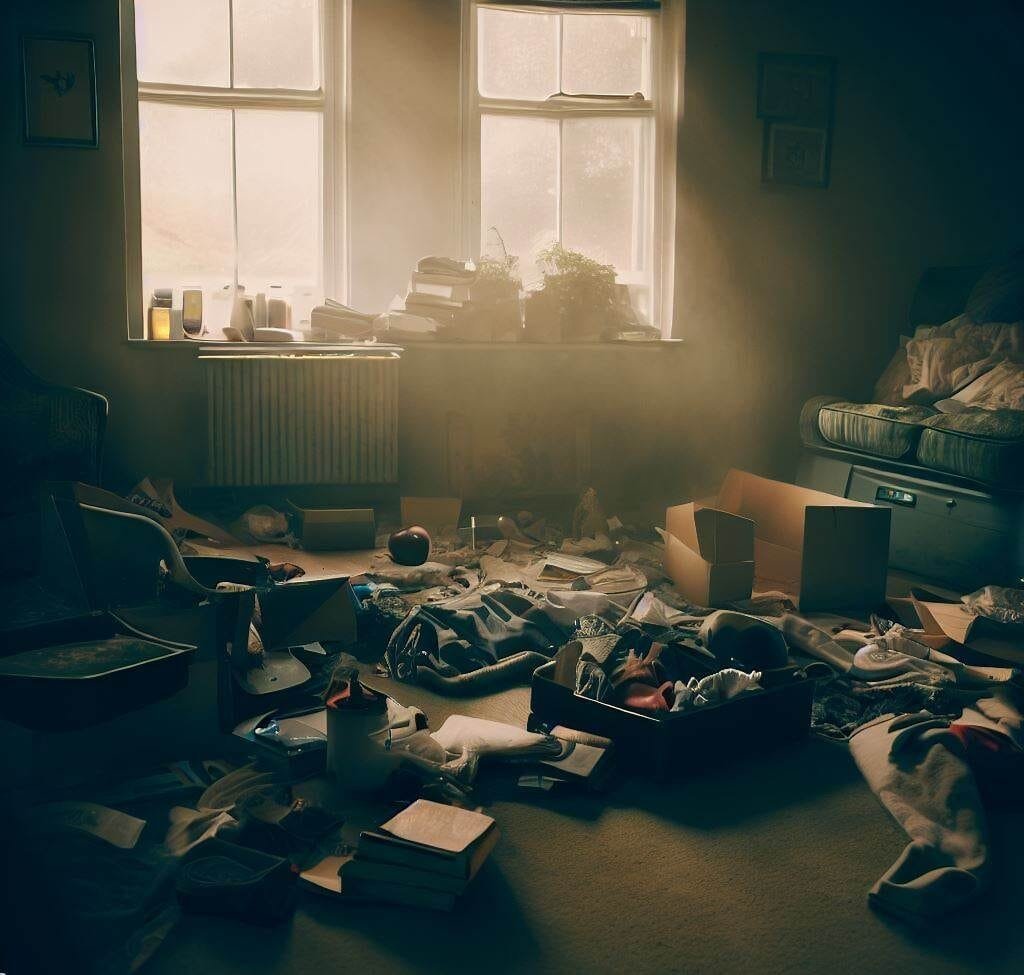
    As a landlord, it’s frustrating to have to deal with tenant who leaves your house a wreck when they move out. Unfortunately, it’s a common problem that many landlords face. If you’re in this situation, it’s essential to handle it correctly to avoid further damage and ensure that you get your property back to a livable condition as soon as possible. This article will provide you with practical tips on how to handle a tenant who leaves your house a wreck.

    Table of Contents

    • The Importance of a Move-Out Checklist
    • Document Everything
    • Assess the Damage
    • Contact Your Tenant
    • Try to Resolve the Issue Amicably
    • The Importance of Having a Security Deposit
    • Legal Options
    • Conclusion
    • FAQs

    The Importance of a Move-Out Checklist

    Before your tenant moves out, it’s essential to provide them with a move-out checklist. This checklist should include everything they need to do before they leave the property, such as cleaning the property, removing all of their belongings, and turning off all utilities. Providing a move-out checklist will help ensure that your tenant leaves the property in good condition and that you don’t have to deal with any surprises when they move out.

    Document Everything

    When your tenant moves out, it’s crucial to document everything. Take photos of every room in the property, including any damage that has been done. This documentation will be important if you need to take legal action against your tenant or if you need to make an insurance claim.

    Assess the Damage

    Once your tenant has moved out, you need to assess the damage. If the damage is minor, you may be able to fix it yourself. However, if the damage is significant, you may need to hire professionals to fix it. Before you start any repairs, make sure you get quotes from several contractors so that you can get an accurate estimate of the costs involved.

    Contact Your Tenant

    After you have assessed the damage, you should contact your tenant. Let them know what you have found and give them the opportunity to respond. You should also provide them with an estimate of the costs involved in repairing the damage.

    Try to Resolve the Issue Amicably

    In most cases, it’s best to try to resolve the issue amicably with your tenant. If they are willing to pay for the damage or make arrangements to fix it themselves, this may be the best solution. However, if your tenant refuses to take responsibility, you may need to take legal action.

    The Importance of Having a Security Deposit

    Having a security deposit is essential when you’re a landlord. It provides you with a financial buffer in case your tenant damages the property or fails to pay rent. Make sure you have a detailed lease agreement that outlines the terms and conditions of the security deposit.

    Legal Options

    If your tenant refuses to take responsibility for the damage or pay for repairs, you may need to take legal action. Depending on the amount of damage, you may need to file a small claims lawsuit or hire an attorney to represent you. Make sure you have documentation of all the damage and any communication with your tenant.

    Conclusion

    Dealing with a tenant who leaves your house a wreck can be frustrating and time-consuming. However, if you follow the steps outlined in this article, you can handle the situation correctly and get your property back to a livable condition. Remember, always document everything and try to resolve the issue amicably before taking legal action.

    FAQs

    1. What should I do if my tenant leaves the property in a mess? Start by documenting everything and assessing the damage. Contact your tenant and try to resolve the issue amicably. If necessary, take legal action.
    2. Can I keep my tenant’s security deposit if they leave my property in a mess? Yes, if the damage exceeds normal wear and tear, you can use the security deposit to cover the costs of repairs.
    3. Can I charge my tenant for cleaning fees? Yes, if your lease agreement specifies that the tenant is responsible for cleaning the property before they move out and they fail to do so, you can charge them for cleaning fees.
    4. What if my tenant doesn’t respond to my communication? If your tenant doesn’t respond to your communication, you may need to take legal action to resolve the issue.
    5. How can I prevent this situation from happening in the future? One way to prevent this situation is by conducting regular inspections of your property and providing your tenant with a move-in/move-out checklist to ensure that they leave the property in good condition.
  • What to Look for in a Property Management Agreement

    What to Look for in a Property Management Agreement

    If you own a rental property, you may be considering hiring a property management company to manage it for you. This can be a great way to free up your time and have peace of mind knowing that your property is in good hands. However, before you hire a property management company, it’s important to carefully review the property management agreement. This document will outline the responsibilities of both you and the property management company, so it’s important to make sure that you understand everything before you sign it.

    Here are some key things to look for in a property management agreement:

    • Services and fees. The first thing you’ll want to do is make sure that the property management company is providing the services that you need. Some common services that property management companies provide include:
      • Rent collection
      • Tenant screening
      • Maintenance and repairs
      • Leasing
      • Accounting
      • Marketing
      • Evictions

    You’ll also want to make sure that you understand the fees that the property management company charges. These fees can vary depending on the company and the services that they provide. Some companies charge a flat fee, while others charge a percentage of the rent.

    • Responsibilities of the property owner. The property management agreement should also outline the responsibilities of the property owner. These responsibilities may include:
      • Providing access to the property
      • Paying for any necessary repairs or maintenance
      • Approving all new tenants
      • Reviewing all leases and other contracts
      • Paying the property management company’s fees
    • Termination clause. It’s important to have a termination clause in the property management agreement. This will allow you to end the relationship with the property management company if you’re not satisfied with their services.
    • Equal opportunity housing. The property management agreement should also state that the property management company will comply with all applicable fair housing laws. This means that they will not discriminate against tenants based on race, religion, national origin, sex, familial status, or disability.
    • Liability. The property management agreement should also address who is liable for any damages that occur to the property. In most cases, the property owner will be liable for any damages that are caused by the negligence of the property management company.
    • Indemnification. The property management agreement should also include an indemnification clause. This clause will protect the property owner from any losses or damages that are caused by the negligence of the property management company.
    • Dispute resolution. The property management agreement should also include a dispute resolution clause. This clause will specify how any disputes between you and the property management company will be resolved.
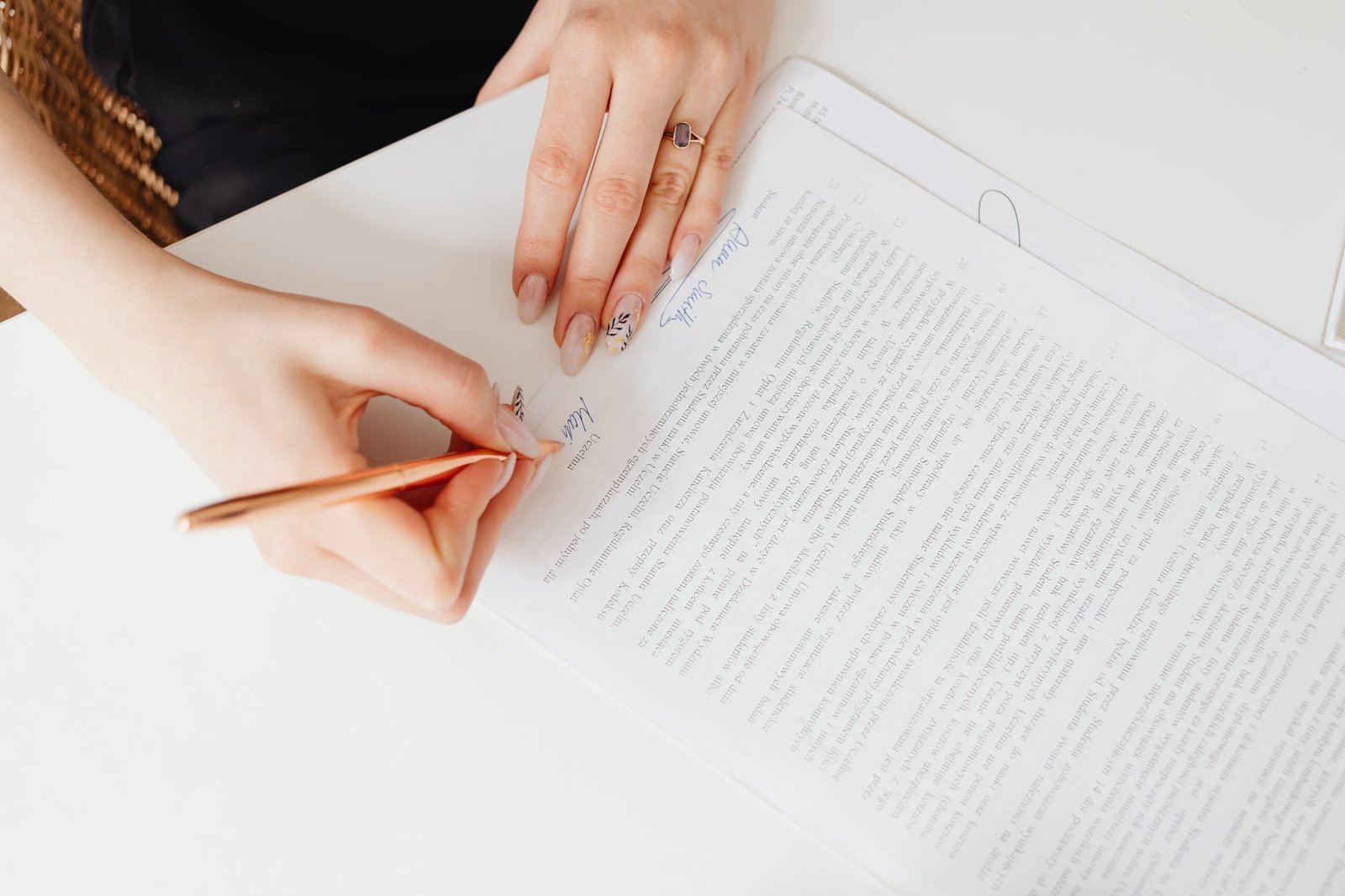
    • Signatures. The property management agreement should be signed by both you and the property management company. This will ensure that both parties are bound by the terms of the agreement.

    By following these tips, you can ensure that you have a strong property management agreement that protects your interests.

    Quick Template for a Property Management Agreement

    Here is a quick template for a property management agreement:

    • Introduction

    This agreement is made between [Property Owner Name] (the “Owner”) and [Property Management Company Name] (the “Manager”).

    • Services

    The Manager agrees to provide the following services to the Owner:

    * Rent collection
    * Tenant screening
    * Maintenance and repairs
    * Leasing
    * Accounting
    * Marketing
    * Evictions
    
    • Fees

    The Manager will charge the Owner the following fees:

    * Flat fee: [Amount]
    * Percentage of rent: [Percentage]
    
    • Responsibilities of the Owner

    The Owner agrees to the following responsibilities:

    * Provide access to the property
    * Pay for any necessary repairs or maintenance
    * Approve all new tenants
    * Review all leases and other contracts
    * Pay the Manager's fees
    
    • Termination

    This agreement may be terminated by either party upon [Number] days’ written notice to the other party.

    • Equal Opportunity Housing

    The Manager agrees to comply with all applicable fair housing laws.

    • Liability

    The Owner will be liable for any damages that occur to the property.

    • Indemnification

    The Manager agrees to indemnify the Owner for any losses or damages that are caused by the negligence of the Manager.

    • Dispute Resolution

    Any disputes between the Owner and the Manager will be resolved through binding arbitration.

    • Signatures

    [Property Owner Signature]

    [Property Management Company Signature]

    Frequently Asked Questions:

    What are three things a management agreement should contain?

    1. Services and fees. The agreement should clearly state the services that the property management company will provide, as well as the fees that will be charged.
    2. Responsibilities of the property owner. The agreement should also outline the responsibilities of the property owner, such as providing access to the property and paying for any necessary repairs.
    3. Termination clause. The agreement should include a termination clause that specifies how either party can end the relationship.

    What do property management agreements usually represent?

    Property management agreements typically represent a long-term relationship between a property owner and a property management company. The agreement can be for a fixed term, such as one year, or it can be open-ended.

    What is the owner’s responsibility in the management contract?

    The owner’s responsibilities in a property management contract typically include:

    • Providing access to the property to the property management company
    • Paying for any necessary repairs or maintenance
    • Approving all new tenants
    • Reviewing all leases and other contracts
    • Paying the property management company’s fees

    What is the indemnification clause in a property management agreement?

    An indemnification clause is a provision in a contract that requires one party to protect the other party from any losses or damages. In a property management agreement, the indemnification clause typically protects the property owner from any losses or damages that are caused by the negligence of the property management company.

    Here are some additional things to keep in mind when drafting a property management agreement:

    • Make sure that the agreement is clear and concise.
    • Use plain language that is easy to understand.
    • Get everything in writing.
    • Have an attorney review the agreement before you sign it.

    For further reference, see the Fair Housing Act